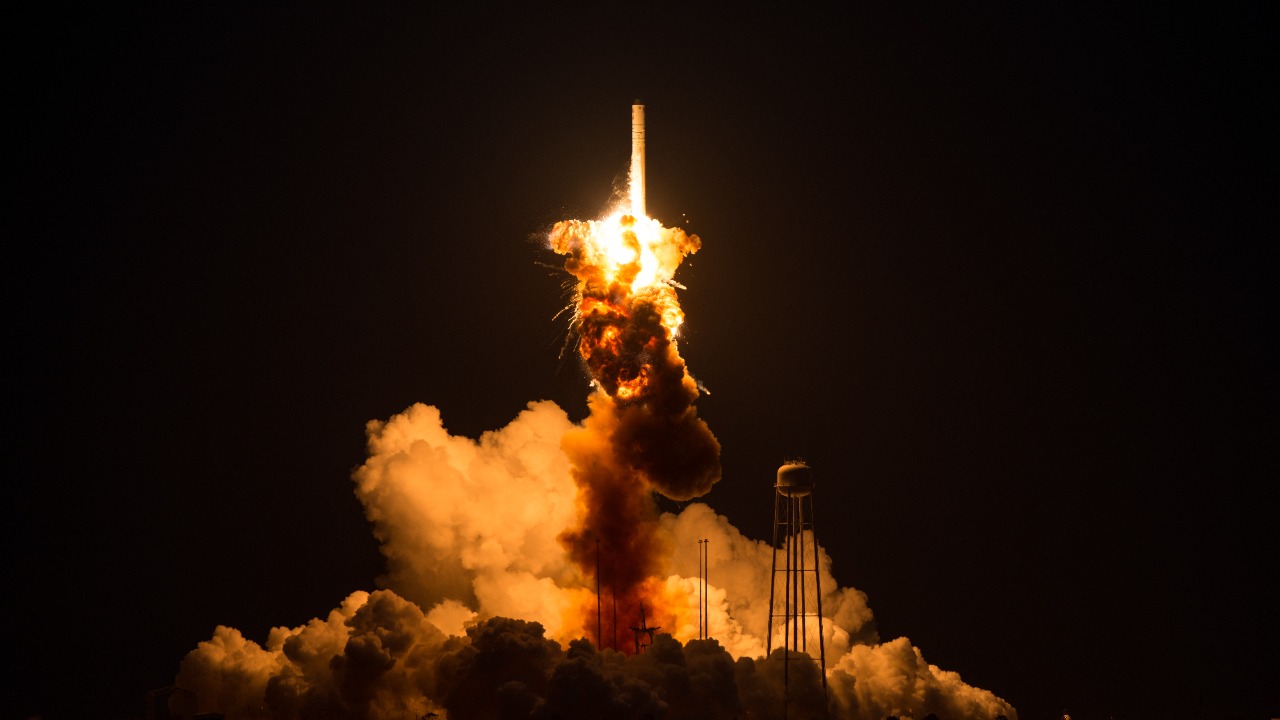

The Space Age lost two of its most recognizable landmarks when NASA brought down towering test structures at Marshall Space Flight Center in Huntsville, Alabama. The controlled implosion erased hardware that helped push rockets to the Moon and into low Earth orbit, replacing concrete nostalgia with a cleared pad for whatever comes next.
The demolition crystallizes a tension that has followed the agency for decades: how to honor the physical artifacts of Apollo and the Space Shuttle while making room for a new generation of vehicles and budgets that no longer tolerate aging, underused infrastructure. I see the blast as both an ending and a blunt statement about what kind of space program the United States wants to fund in the 2020s.
The blast that shook North Alabama
Residents around Redstone Arsenal woke to what local officials called “the demolition heard around North Alabama” as explosives ripped through Two historic structures at NASA’s Marshall Space Flight Center. The implosion toppled what had once been the tallest man-made structure in North Alabama, a skeletal giant that had dominated the skyline over Redstone Arsen since the Apollo era and into the early 2000s, before NASA finally retired it from active duty and prepared it for removal, according to local coverage. Video of the blast shows the latticework frame folding in on itself in seconds, a violent end for a structure that had once absorbed the slow, grinding forces of rocket tests.
NASA framed the event as a carefully planned step in a broader modernization push, not a one-off spectacle. The agency confirmed that Historic NASA test structures demolished at Marshall Space Flight Center were part of a coordinated project to remove aging facilities that no longer matched current testing needs, a point underscored in briefings that described how engineers had long since shifted critical work away from these specific stands at Marshall Spa and into newer or more specialized sites, as reflected in regional reports.
The stands that built the Space Age
To understand why the demolition hit such a nerve, it helps to remember what these structures did. NASA has emphasized that these were not anonymous towers but Historic Test Stands that once anchored the Propulsion and Structural Test work at Marshall, part of a campus that turned raw rocket concepts into flight-ready hardware. In its own description of the implosion, NASA noted that Marshall Removes Two Historic Test Stands as part of a deliberate transition away from facilities that had already completed their primary mission, a mission that included supporting the engines and stages that powered Apollo and later vehicles, as detailed in agency materials.
One of the demolished structures, highlighted in social media clips, was tied directly to the Saturn-era hardware that carried astronauts to the Moon. NASA’s own retrospective video notes that Marshall Removes Two Historic Test Stands and that On Jan, engineers at Marshall used the Propulsion and Structural Test facilities to qualify massive stages that ultimately powered Apollo to the Moon, a legacy that still shapes how the center markets itself as an “interstellargateway” for deep space work, as seen in archival clips. These were the places where the Space Age moved from blueprints to roaring hardware, which is why their absence now feels so stark.
From heritage to modernization under new leadership
The decision to clear these giants is part of a larger shift in how NASA manages its bricks and mortar. Agency officials have tied the demolition at Marshall Space Flight Center in Huntsville, Alabama to a modernization strategy that aims to cut long-term maintenance costs and redirect money into active programs, a strategy that has been described as Modernization under new NASA leadership in recent briefings about the Huntsville campus, as reflected in national coverage. In that framing, the implosion is less about erasing history and more about freeing up land and budget for the next wave of propulsion and structural testing.
Earlier this year, NASA signaled that intent in more formal language, explaining that NASA to demolish aging test facilities at Marshall as part of a long-term modernization effort and that the process complied with Section 106 of the National Historic Preservation Act, a legal requirement that forces federal agencies to weigh the cultural value of older structures before tearing them down. In that same context, NASA and Marshall officials linked the work to broader infrastructure funding streams sometimes described as the One Big Beautiful Bill, a reminder that even iconic test stands ultimately live or die based on line items in federal law, as outlined in planning documents.
Politics, budgets, and the Isaacman era
Infrastructure decisions at Marshall do not happen in a vacuum, and the current wave of demolitions is closely tied to the political and budget environment in Washington. NASA Administrator Jared Isaacman has been explicit that Isaacman and the agency are looking to utilize the funding to bolster NASA’s infrastructure broadly, beyond the Alabama location, positioning the Marshall work as an early example of how new money will be used to reshape the agency’s physical footprint. That approach is framed as part of a push to fulfill President Trump’s ambitious space exploration goals, with specific references to upgrades at the Alabama flight center, as described in policy reporting.
Within that context, the Marshall implosion becomes a symbol of a broader tradeoff: fewer legacy monuments, more flexible facilities that can support Artemis, commercial crew, and whatever comes after. NASA has argued that removing the Propulsion Instructible Test Facility, also known as the Tower, along with the dynamic test facility, will lower NASA’s maintenance costs and reduce the burden of keeping seldom-used structures safe and compliant, a rationale laid out in official video briefings that walk viewers through the Jan demolition sequence at Marshall, as seen in agency footage. In other words, the wrecking charges are as much about spreadsheets as they are about steel and concrete.
What is lost when icons fall
For engineers and historians, the emotional weight of the demolition is hard to ignore. NASA itself has acknowledged that it Bids Farewell to Historic Test Stands That Built the Space Age, describing the structures as monuments to American spaceflight achievement even as it prepared to bring them down. In that retrospective, the agency framed the stands as physical reminders of a time when the United States was racing to prove that giant rockets could work at all, a narrative that now has to be told through photos, models, and museum exhibits rather than the looming presence of the original steel, as reflected in historical analysis.
On social media, NASA’s own messaging leaned into that sense of loss, noting that Two of the most recognizable test structures on NASA’s Marshall Space Flight Center campus were coming down in a highly visible implosion that would clear the way for new construction while relying on the law’s infrastructure guarantees to preserve at least some record of what had stood there. That language underscored how the agency is trying to balance nostalgia with necessity, acknowledging the stands as icons even as it argues that their removal is required to keep the broader program healthy, a tension captured in official posts.
More from Morning Overview