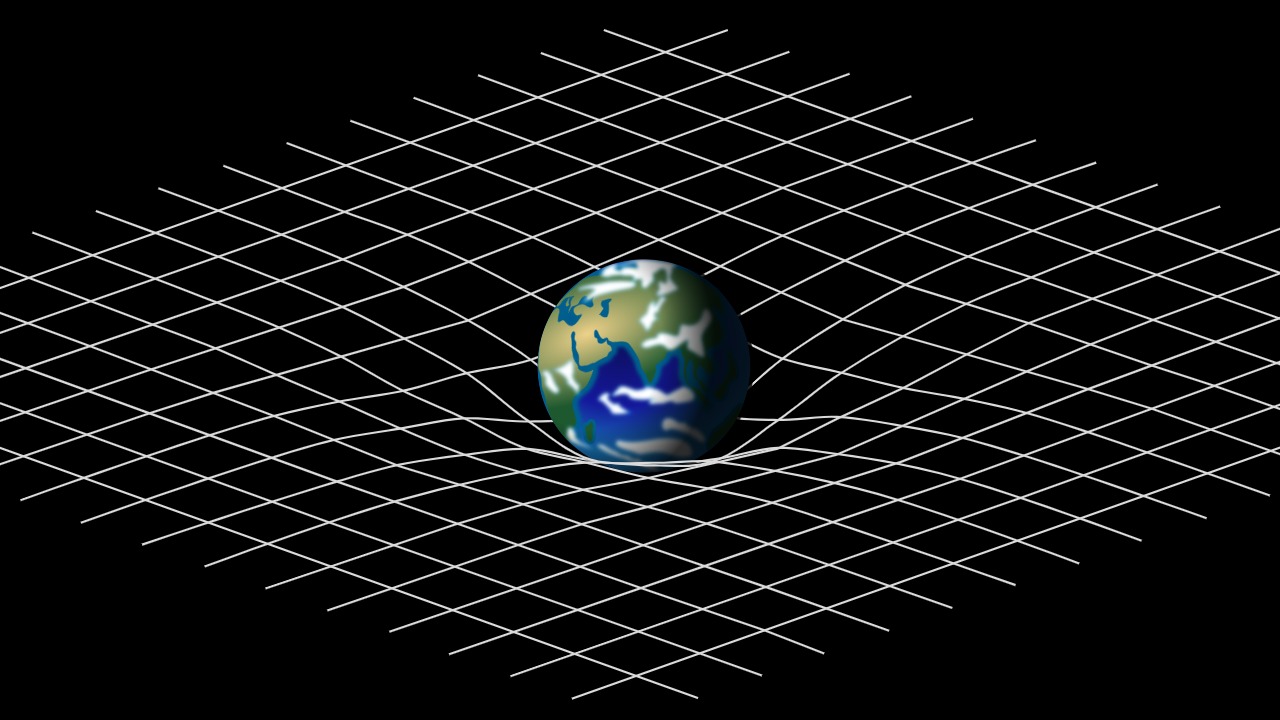

A fringe prediction that Earth will briefly lose gravity in 2026 has snowballed into a full-blown online panic, complete with fake NASA memos and a supposed secret rescue plan. After weeks of viral posts warning of a seven second “no gravity” apocalypse, NASA has now stepped in to say the scenario is impossible and the conspiracy is pure fiction. The agency’s blunt response undercuts the fear, but it also exposes how easily pseudo-science can hijack real astronomical events and spread faster than the facts.
At the center of the rumor is a claim that on August 12, 2026, Earth will suddenly stop pulling everything toward its surface, sending people and objects floating into the air before crashing back down. The story folds in a shadowy initiative called “Project Anchor,” allegedly run by NASA to save the planet from catastrophe. None of that stands up to basic physics, and NASA’s public rebuttal has now made that clear.
How a seven second ‘no gravity’ myth took over social feeds
The panic traces back to a viral chain of posts that insisted Earth would lose gravity for exactly seven seconds on August 12, 2026, turning an ordinary day into a global disaster. One widely shared message claimed that Earth would suddenly stop holding people, cars, and even oceans in place, then snap everything back when gravity “turned on” again, a scenario that users framed as an extinction level event for Earth. The posts were written with the tone of an urgent public service announcement, telling people to prepare for chaos and stock up as if a natural disaster were imminent.
From there, the story evolved into a more elaborate narrative that cited supposed “inside information” from NASA and unnamed scientists. A detailed breakdown of the rumor describes how the messages claimed that the seven seconds of weightlessness would be triggered by a rare cosmic alignment and that only those who followed specific safety instructions would avoid injury when gravity returned for Aug. The specificity of the date and the pseudo-technical language helped the hoax feel authoritative, even as it ignored the basic fact that gravity is not a light switch.
The invention of ‘Project Anchor’ and a fake NASA price tag
As the rumor spread, it picked up a cinematic twist: a secretive NASA operation called “Project Anchor” that would supposedly keep the planet from flying apart. In some versions, the posts claimed that NASA had already allocated a staggering budget to this mission, with one breakdown citing a figure of 66,000,000,000,000,000,000,000,000 kilograms as if it were a cost or mass needed to mitigate the damage. The same narrative framed “Project Anchor” as humanity’s last line of defense, suggesting that only advanced technology could counteract the coming loss of gravity.
NASA has now flatly denied that any such program exists, stressing that there is no “Project Anchor” and no internal planning for a seven second gravity failure. A detailed debunk of the rumor notes that the claim about a secret NASA program was being circulated as proof that the threat was real, even though the agency never announced or funded anything like Project Anchor. Another analysis of the conspiracy shows how the story leaned on the invented codename and exaggerated numbers to sound scientific, even as it misrepresented how NASA actually operates and approves missions tied to real risks for Viral.
NASA’s blunt answer: Earth is not about to lose gravity
Once the rumor reached a global audience, NASA began receiving direct questions about whether Earth could really lose gravity in August 2026. In response, the agency has been unequivocal: there is no mechanism by which the planet suddenly stops exerting gravity for seven seconds, and no credible model predicts such an event. A detailed explanation of the science emphasizes that gravity is a fundamental interaction tied to the mass of Earth, not a temporary condition that can flicker off and on like a power grid.
NASA has also addressed the misuse of its name in the viral posts, which falsely claimed that official “Fact Check” notices and internal “Posts” from the agency had warned of the seven second event. A detailed review of those messages shows that the supposed NASA alerts were fabricated, with no matching bulletins on any of the agency’s real channels for Here. Another breakdown of the conspiracy notes that some users even claimed that NASA had quietly confirmed the date in a technical briefing, a claim that the agency has now publicly rejected as false for NASA.
What astronomers say about ‘Seven Seconds of Zero Gravity’
Professional astronomers have been just as direct as NASA in dismissing the idea that Earth could briefly lose gravity. Local experts who were asked about the rumor have described the scenario as physically impossible, pointing out that no known alignment of planets, stars, or black holes could cancel out the gravitational pull of Earth. One local astronomy official went so far as to label the “Seven Seconds of Zero Gravity” story a textbook example of how social media can turn a misunderstanding of basic physics into a viral scare, stressing that the claim is flatly false and not supported by any observation for Local.
Some scientists have also highlighted how the rumor appears to recycle older hoaxes that claimed gravity would briefly weaken during planetary alignments or eclipses. A detailed look at the current conspiracy notes that the supposed “On This Day” event, in which “The World Will Lose Gravity for” seven “Seconds,” borrows language from earlier viral posts that misrepresented how eclipses affect weight and motion for On This Day. Another analysis of the rumor’s evolution shows how the phrase “Seven Seconds of Zero Gravity? Not So Fast” has become a shorthand among astronomers for the need to push back quickly when pseudo-science starts to trend for Seven Seconds of.
Why this conspiracy resonated, and what happens next
Part of what made the 2026 gravity hoax so sticky was its blend of scientific jargon, apocalyptic stakes, and a kernel of real astronomy. Several explainers have pointed out that the date at the center of the rumor coincides with a significant celestial event, which conspiracy theorists then exaggerated into a world ending scenario for Should the Earth. Another detailed breakdown notes that some users framed the event as a test of faith or a sign of the end times, which helped the story spread through communities that are already primed to see cosmic events as omens for World Will Lose.
NASA’s decision to address the rumor directly reflects a broader shift in how scientific institutions handle viral misinformation. Instead of ignoring fringe claims, the agency has chosen to explain, in plain language, why Earth’s gravity is not going anywhere and why “Project Anchor” is a fabrication for Could Earth. A detailed look at the conspiracy’s rise shows that the story has already been dissected as a “bizarre” example of how quickly pseudo-science can travel once it is wrapped in a compelling narrative about Will. Another analysis of the viral posts notes that the hoax has now been thoroughly debunked by multiple independent “Fact Check” efforts that have traced the false claims about “Posts” from NASA back to a small cluster of anonymous accounts.
For NASA, the episode is a reminder that its brand carries enormous weight in the public imagination, which makes it a tempting prop for conspiracy theorists. A detailed breakdown of the agency’s response notes that officials have now explicitly denied both the gravity failure and the existence of “Project Anchor,” stressing that there is no credible threat of Earth suddenly losing gravity for seven seconds this year for NASA denies. Another analysis of the rumor’s spread shows how the phrase “Will Earth lose gravity in 2026?” has now become shorthand for a broader conversation about digital literacy, with scientists urging people to check whether a claim about Will Earth or Earth appears on any official NASA channel before they share it.
More from Morning Overview