
NASA, in collaboration with SpaceX, has embarked on an ambitious mission to enhance our understanding of space weather and its effects on Earth. On September 24, 2025, a Falcon 9 rocket launched three new space weather missions, including the Interstellar Mapping and Acceleration Probe (IMAP), which aims to map the heliosphere, the protective bubble surrounding our solar system. This initiative, which also involves the National Oceanic and Atmospheric Administration (NOAA), represents a significant step forward in predicting space weather events that could impact satellites and power grids (BGR; Qazinform; TS2; Space.com; The New York Times).
Mission Components

The centerpiece of this mission is the Interstellar Mapping and Acceleration Probe (IMAP), which is designed to provide detailed insights into the heliosphere. This region acts as a shield against cosmic radiation and interstellar matter, and understanding its dynamics is crucial for space exploration and protecting Earth-based technologies. The IMAP mission is a collaborative effort involving NASA, SpaceX, and NOAA, highlighting the importance of inter-agency cooperation in advancing space science (BGR).
In addition to IMAP, two other probes were launched to study space weather and the boundaries of our solar system. These probes will work in tandem to gather data on solar winds and cosmic rays, providing a comprehensive picture of the space environment. This multi-probe approach is designed to enhance our understanding of how solar and interstellar phenomena interact with the heliosphere (Space.com).
The involvement of NOAA in the IMAP mission underscores the critical role of space weather monitoring in safeguarding Earth’s infrastructure. By contributing their expertise in atmospheric and oceanic sciences, NOAA helps ensure that the data collected will be used to improve forecasting models and mitigate the effects of space weather events on Earth (BGR).
The IMAP mission is not only about mapping the heliosphere but also about understanding the processes that accelerate particles to high energies. These high-energy particles can pose significant risks to astronauts and spacecraft, making it crucial to understand their origins and behaviors. By studying the boundary regions of the heliosphere, IMAP aims to provide insights into the fundamental processes that govern particle acceleration and transport in space. This knowledge is vital for developing protective measures for future space missions and ensuring the safety of astronauts venturing beyond Earth’s protective magnetic field (The New York Times).
Moreover, the two additional probes launched alongside IMAP are equipped with advanced instruments designed to measure the properties of solar wind and cosmic rays with unprecedented precision. These instruments will help scientists to better understand the complex interactions between solar emissions and the interstellar medium. By providing detailed data on these interactions, the probes will contribute to a more comprehensive understanding of the space environment, which is essential for the development of predictive models that can forecast space weather events with greater accuracy (Space.com).
Launch Details
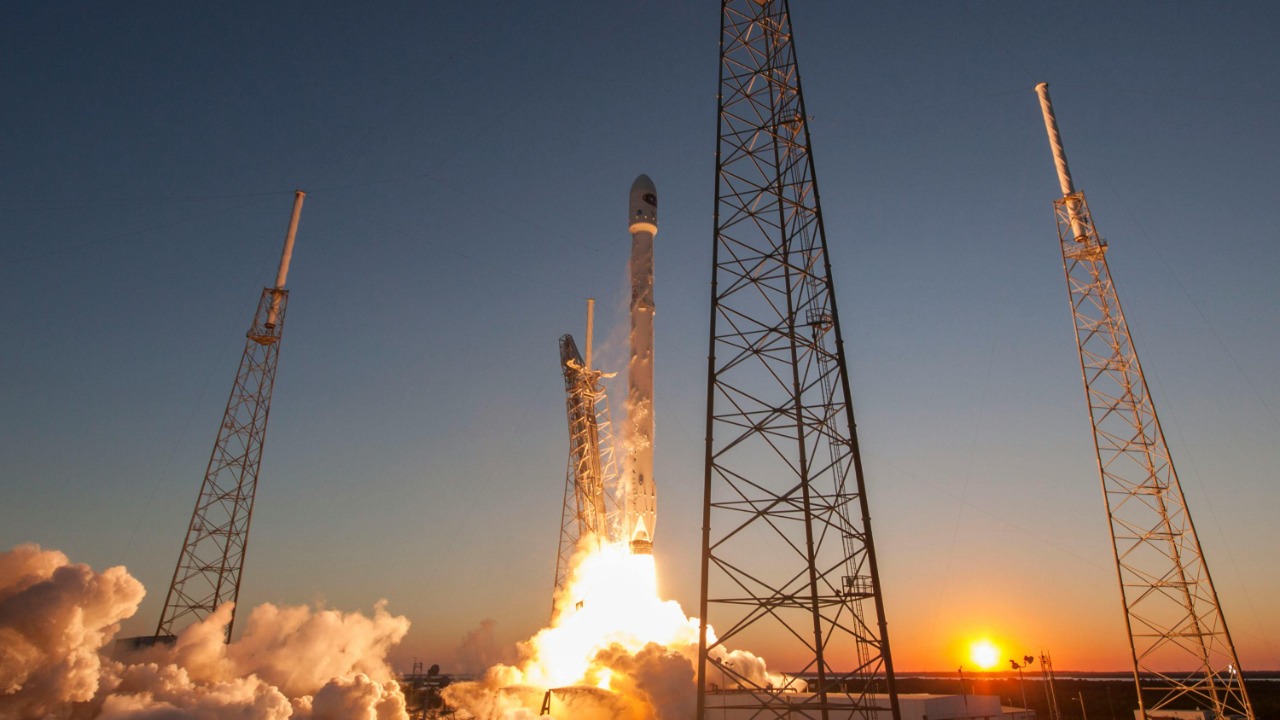
The launch of these missions was executed using a SpaceX Falcon 9 rocket, a reliable workhorse for both commercial and scientific payloads. The rocket successfully deployed the three probes into their designated orbits, marking another milestone in SpaceX’s collaboration with NASA. This launch configuration is specifically designed to guard Earth from the impacts of solar phenomena by providing timely data that can be used to predict and respond to space weather events (TS2).
Video footage of the launch showcases the precision and reliability of the Falcon 9, which has become a cornerstone of modern space exploration. The successful deployment of the probes is a testament to the technological advancements made by SpaceX in recent years, further solidifying its role as a key partner in NASA’s scientific endeavors (Space.com).
The choice of the Falcon 9 rocket for this mission underscores SpaceX’s growing role in supporting scientific research. Known for its reusability and cost-effectiveness, the Falcon 9 has become a preferred vehicle for a wide range of missions, from commercial satellite deployments to high-stakes scientific endeavors. This particular launch was meticulously planned to ensure that the probes were placed in optimal orbits for their respective missions, demonstrating the precision and reliability that have become hallmarks of SpaceX’s launch operations. The success of this launch not only advances our understanding of space weather but also reinforces the capabilities of commercial spaceflight in supporting complex scientific missions (TS2).
Furthermore, the collaboration between NASA and SpaceX in this mission highlights the evolving landscape of space exploration, where public and private entities work together to achieve common goals. This partnership leverages the strengths of both organizations, combining NASA’s scientific expertise with SpaceX’s innovative launch technologies. Such collaborations are essential for advancing our understanding of space and ensuring that scientific missions are conducted efficiently and effectively. As space exploration continues to expand, these partnerships will play a crucial role in overcoming the challenges associated with exploring the final frontier (BGR).
Scientific Objectives
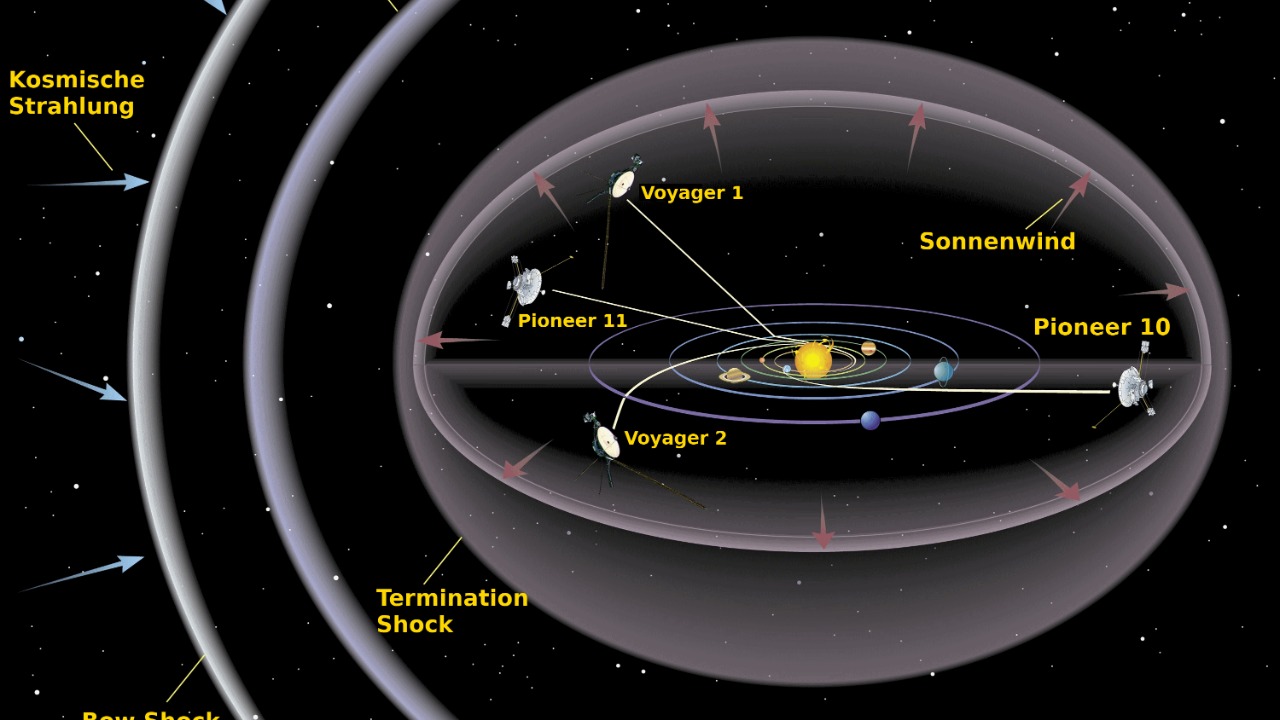
The primary scientific objective of these missions is to study the Sun’s impact on Earth. By analyzing solar winds and cosmic rays, scientists aim to gain a deeper understanding of how these forces influence our planet’s magnetic field and atmosphere. This knowledge is crucial for developing strategies to protect satellites and other technologies from space weather-related disruptions (Qazinform).
Mapping the heliosphere is another critical goal of the IMAP mission. By charting this vast region, scientists hope to uncover new insights into the interactions between solar and interstellar forces. This research could lead to breakthroughs in our understanding of the solar system’s boundaries and the nature of interstellar space (The New York Times).
The data collected by these probes will also contribute to mapping space weather patterns. By providing a clearer picture of how solar and cosmic phenomena affect the heliosphere, scientists can improve models used to predict space weather events, ultimately enhancing our ability to safeguard Earth-based infrastructure (Space.com).
Broader Implications
The successful launch and operation of these missions have far-reaching implications for space weather forecasting. By improving our ability to predict solar storms and other space weather events, these missions aim to protect critical infrastructure such as power grids and communication networks from potential disruptions (TS2).
The collaboration between NASA and SpaceX in this endeavor highlights the importance of public-private partnerships in advancing scientific research. By leveraging the strengths of both organizations, these missions are poised to make significant contributions to our understanding of the solar system’s boundaries and the dynamics of interstellar space (BGR; The New York Times).
Ultimately, the data and insights gained from these missions could enhance our understanding of interstellar space interactions, paving the way for future explorations beyond our solar system. By mapping the heliosphere and studying space weather, scientists can develop new strategies to protect both current and future space missions from the challenges posed by the cosmic environment (Qazinform).
