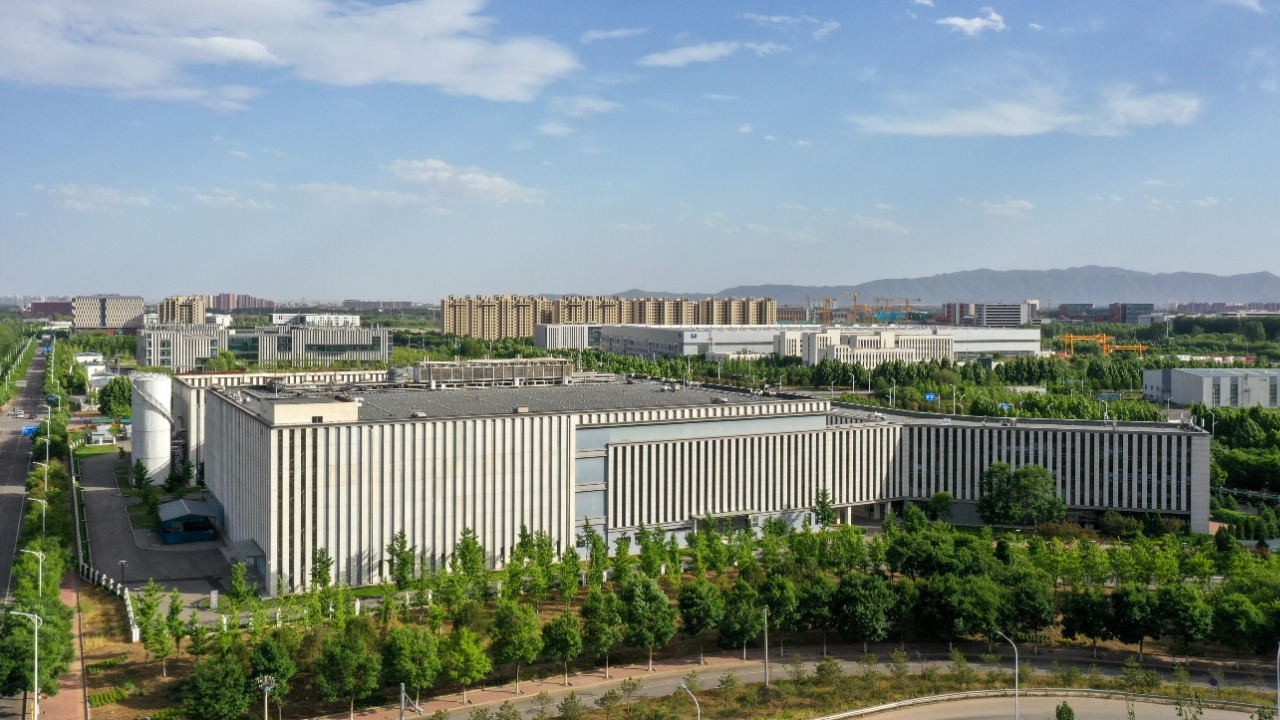

Naperville’s elected leaders have pulled the plug on a massive data center proposal that had become a flashpoint over health, safety, and the future of growth in one of the region’s most closely watched suburbs. After months of organizing by neighbors and intense lobbying by the developer, the Naperville City Council voted down the 200,000-square-foot complex, siding with residents who argued that the risks of industrial-scale computing next to homes and parks were simply too high.
The decision instantly turned a local zoning fight into a case study in how communities are starting to push back on the physical footprint of the digital economy. I see it as a revealing test of how far cities like Naperville are willing to go to protect neighborhood character and public health, even when that means walking away from a marquee project and the promise of new tax revenue.
How a 200,000-square-foot vision ran into a neighborhood wall
At the center of the clash was a plan to build a 200,000-square-foot data center complex near residential streets, parks, and playgrounds on Naperville’s northwest side. City staff and council members had been weighing whether the project fit the community’s long-term land use map and whether the industrial-style facility belonged so close to where children play and families gather. The scale of the proposal, combined with its proximity to homes, turned what might have been a routine land use decision into a referendum on how much disruption residents were willing to tolerate for the sake of economic development, according to detailed accounts of the Naperville City Council debate.
The developer, Karis Critical, pitched the project as a way to plug Naperville into the booming market for cloud computing and artificial intelligence infrastructure. The company sought to develop a campus near the northwest edge of Naperville, arguing that the location offered access to major highways and existing utility corridors. Supporters framed the facility as a chance to capture new tax base and jobs in a sector that is reshaping the regional economy, while critics saw an industrial fortress encroaching on a quiet neighborhood. Reporting on the proposal makes clear that Karis Critical viewed the site as a strategic foothold in a market where data center developers are facing yearslong waiting lists for power.
A 6-1 vote and a council split over risk
When the question finally reached the dais, the outcome was decisive. City councilors rejected the proposal in a 6-1 vote, with two abstentions, after a late-night meeting that capped months of public comment and technical presentations. The majority concluded that the potential hazards tied to a large data center near a residential neighborhood, from emissions to noise and emergency scenarios, outweighed the promised benefits. That margin, described in coverage of the City vote, underscored how far the council had moved from early discussions that treated the project as a likely approval.
Six members of the Naperville City Council, identified as Gibson, Jain, Kelly, Syed, White, and a sixth colleague, formed the bloc that ultimately sank the deal. Their votes reflected a shared conclusion that the city could not justify placing such a facility so close to homes, even with mitigation measures on the table. A public post summarizing the outcome noted that Six council members voted down the proposed data center shortly after midnight, a timing detail that hints at how contentious and drawn out the deliberations had become.
Parents, playgrounds, and the politics of proximity
What ultimately tipped the scales was not abstract debate about technology, but the intensely local question of what it means to raise kids next to a major industrial facility. Neighbors described how their children ride bikes and play ball on nearby streets and in nearby parks, and how the looming presence of a data center would change that daily reality. One resident, speaking about the cluster of parks and open space near the site, emphasized that “This is where they play. This is where they ride their bikes. There are three playgrounds” in the immediate area, a sentiment captured in coverage of the Chicago neighborhood’s response.
Some of the most pointed testimony came from parents who serve on the council itself. One council member invoked their own family, saying, “My own kids are six, nine, and 15, and don’t necessarily want them growing up playing basketball, riding their bikes in such proximity” to a facility of this scale. That remark, reported in detail as part of the lead-up to the vote, crystallized the unease many felt about mixing heavy infrastructure with everyday family life. The comment, which appeared in coverage of the council’s plan to vote on the project, helped frame the decision less as an abstract land use question and more as a personal calculation about what kind of environment Naperville wants for its children.
Health fears around generators and backup power
Behind the emotional testimony was a set of concrete health and safety concerns that residents and some council members struggled to reconcile with the developer’s assurances. Data centers rely on large diesel generators to provide backup power in case of grid failures, and opponents warned that those machines would emit carcinogenic exhaust into nearby backyards and school routes. One critic put it bluntly, saying “Generators that are part of this facility emit carcinogenic exhaust,” a line that captured the core of the environmental anxiety and was highlighted in reporting on the council’s plan to discuss the controversial plan.
Residents also raised questions about how the facility would behave in an extended outage, including how often the generators would need to run and what kind of noise and air quality impacts that would create. Concerns about emergency scenarios, from fires to fuel spills, layered on top of broader worries about living next to a high energy use facility at a time when climate and pollution are already front of mind. Accounts of the public meetings describe neighbors pressing for detailed modeling of emissions and contingency plans in the case of an electrical outage, a level of scrutiny that reflected how deeply the community had engaged with the technical underpinnings of the project as it moved toward a There vote.
Economic promises, political pressure, and what comes next
Supporters of the data center argued that Naperville risked missing out on a rare opportunity to anchor a high-value industry along the I-88 corridor. They pointed to the potential for new tax revenue and construction jobs, and to the broader trend of data centers clustering near major fiber routes and substations. In the run-up to the decision, coverage of the council’s deliberations noted that the project had been under review for months, with staff and elected officials weighing whether the city’s infrastructure and zoning could accommodate such a facility along the I-88 corridor without compromising nearby neighborhoods.
Even as the council moved toward a final decision, the political pressure was intense. The meeting where the vote was taken followed earlier sessions where members had agreed simply to consider the controversial development, a step that itself drew crowds and extensive media attention. One report on the lead-up described how the Naperville City Council was set to consider a vote on the project, underscoring how the decision had become a defining moment for the current council. Another account framed the final session as the culmination of months of heated debate, with the council scheduled to vote down the proposal after hearing from dozens of residents.
More from Morning Overview