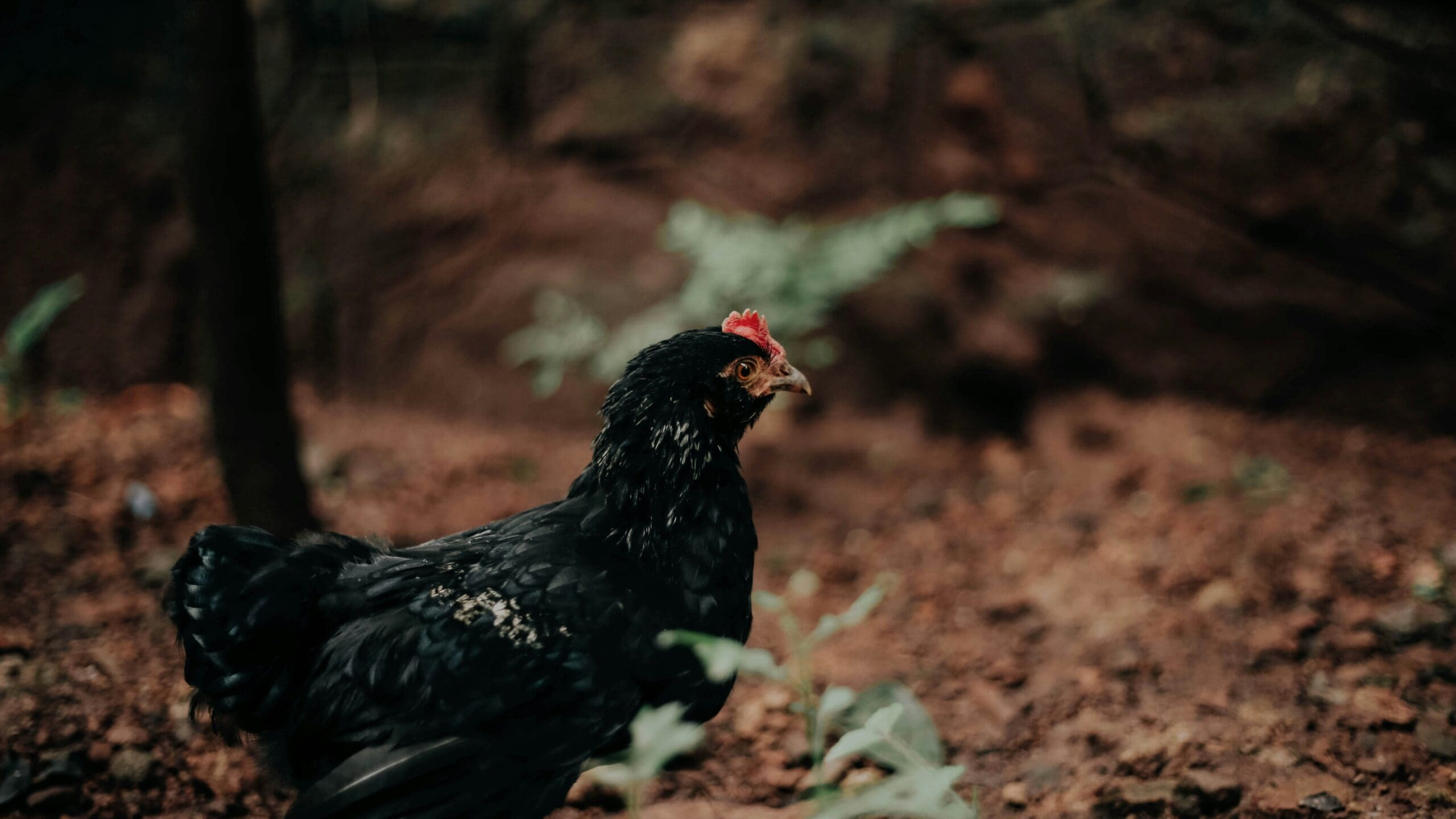

A farmer trying to stop a mysterious predator from raiding his chicken coop ended up catching something far more remarkable than a fox or feral cat. The culprit, a spotted native carnivore, turned out to be a quoll, a species that had been missing from that part of Australia for roughly 100 years and considered locally extinct for around 130. What began as a routine act of pest control has become one of the most striking recent examples of how elusive, supposedly vanished animals can cling on in the modern landscape.
The story has quickly grown beyond one farmyard, feeding into a broader reassessment of how Australia treats its small native predators. From the rediscovery of quolls in coastal scrub to carefully managed reintroductions on the mainland, scientists and wildlife carers are using this surprise to argue that the country’s biodiversity crisis is not only about loss, but also about second chances.
The “chicken killer” in the cage
The chain of events began when a landholder in Australia, worried about dead poultry, set a cage trap for what he assumed was a feral invader. Instead of the expected fox or cat, the trap held a stocky, spotted marsupial that he did not recognize, an animal that wildlife officers would later identify as a quoll that had not been recorded in the region for about 100 years. In a separate but closely related case, farmer Pao Ling Tsai in coastal Australia set out to protect his own chickens and caught a similar spotted predator that experts believed had been absent from South Australia for 130 years, underscoring just how improbable such captures seemed.
In the Beachport area of South Australia, the animal in Tsai’s trap was confirmed as a Spotted-tailed quoll, a carnivorous marsupial long written off in that state. The rediscovered animal had been thought extinct in South Australia for exactly 130 years, a figure that conservation officials repeated with a mix of disbelief and excitement. For local residents who had grown used to assuming that any chicken thief was an introduced predator, the idea that a native species, once persecuted as a “vermin” cat, was back on the scene required a rapid mental reset.
A near miss and a second chance
The first quoll that Tsai captured did not stay in custody for long. According to wildlife officials, the animal squeezed out through a damaged corner of the cage and vanished into nearby vegetation before specialists could arrive. That escape could easily have turned the story into a frustrating near miss, a fleeting glimpse of a ghost species with no proof left behind. Instead, the incident prompted the state’s Wildlife Service of South Australia to move quickly, setting new traps around the property in the hope of recapturing the animal or one of its relatives.
That follow up effort paid off when another quoll was secured and formally documented, providing the hard evidence that scientists needed to confirm the species’ survival in the region. In the separate case of the “chicken killer creature” that had been missing for roughly 100 years, the original animal also escaped, but the farmer later managed to photograph and recapture a similar individual, allowing experts to verify that it was a quoll that had not been seen in the area for decades. Reporting on the Chicken Killer Creature to be a Species Missing for 100 Years has stressed how close the story came to being just another unconfirmed sighting, and how crucial it was that the farmer persisted in working with authorities rather than dismissing the animal as a nuisance.
Quolls, “native cats,” and a history of disappearance
To understand why these captures matter, it helps to remember what quolls are and how quickly they vanished from much of their range. Several species once roamed across large parts of Australia, filling the ecological role of small to medium predators and earning nicknames like “native cat” from early settlers. The Northern Quoll, for example, was once widespread across northern and eastern Australia before its numbers collapsed under pressure from toxic cane toads, feral predators, altered fire regimes and habitat loss. Recent fieldwork reported that the closest previous detection in one survey area had been far away, so the new, unmistakable evidence of a quoll was described as a fantastic surprise and a sign that Once common predators can still persist if threats are managed across large landscapes.
Social media posts celebrating the Beachport discovery have highlighted how deeply these animals are woven into the country’s natural identity. One widely shared update described how Australia is celebrating an unexpected wildlife comeback and referred to The Northern Quoll as a symbol of resilience, noting that early settlers knew similar species as the “native cat” and that they had disappeared from places like Victoria and the ACT. That post, which linked the scientific name Dasyurus viverrinus to ongoing recovery work, framed The Northern Quoll as part of a broader push to restore native predators to landscapes where they had been missing for generations.
Reintroducing the “magic little animal”
While the chicken coop drama unfolded on private land, conservationists elsewhere were working on more deliberate returns. Eastern quolls, another species that had disappeared from mainland Australia in 1963, are being bred and released into carefully chosen sites in an effort to rebuild wild populations. A recent project described how Scientists are still trying to understand the declines, but suspect climate change, habitat loss and feral predators as key drivers, and see the reintroductions as a test of whether those threats can be controlled well enough for the animals to thrive again.
Political advocates have seized on these efforts as proof that determined intervention can reverse even long standing losses. One detailed account noted that The Eastern Quoll disappeared from mainland Australia in 1963 and argued that, Now, thanks to the efforts of scientists, wildlife carers and community groups, there is a realistic chance of bringing such species back. That message, which urged that every day should be threatened species day, used the story of The Eastern Quoll to argue that rediscoveries like the chicken killer quoll should be a starting point for investment, not a feel good endpoint.
From farmyard nuisance to conservation catalyst
The rediscovered quolls are already influencing how governments and NGOs talk about predator control and land management. In one televised segment, presenters explained that there are renewed hopes an acute endangered Aussie critter may one day thrive again, noting that 15 eastern quolls had been released in a single program and that changing tag technology was helping track their survival. That coverage, which described the animal as an Aussie icon, framed the Beachport and chicken coop stories as part of a national shift toward seeing small native carnivores as allies in controlling pests, rather than as pests themselves.
At the same time, the rediscovery in South Australia has prompted a closer look at how local communities respond when a predator is found near livestock. Officials have stressed that the farmer’s decision to seek help, rather than quietly killing the “chicken killer,” was pivotal in confirming that a quoll species missing for 100 years was still alive. In the Beachport case, the involvement of Pao Ling Tsai, the rapid response by By Liz Rymill and By Becc Bird in documenting the story, and the follow up by the Wildlife Service of South Australia have all been cited as examples of how everyday landholders and specialists can work together. The fact that the animal had been considered locally extinct for 130 years, yet was rediscovered in a simple farm trap, is now being used in public campaigns to encourage other landholders to report unusual predators rather than assume they are just another feral cat.
More from Morning Overview