
In the rapidly evolving world of technology, the future of smartphones is a hotly debated topic among industry giants. While Elon Musk and Mark Zuckerberg are predicting the decline of smartphones, Apple CEO Tim Cook remains optimistic about their evolution and potential. This article explores the differing perspectives of these tech leaders and what it means for the future of mobile technology.
The Case Against Smartphones: Musk and Zuckerberg’s Vision
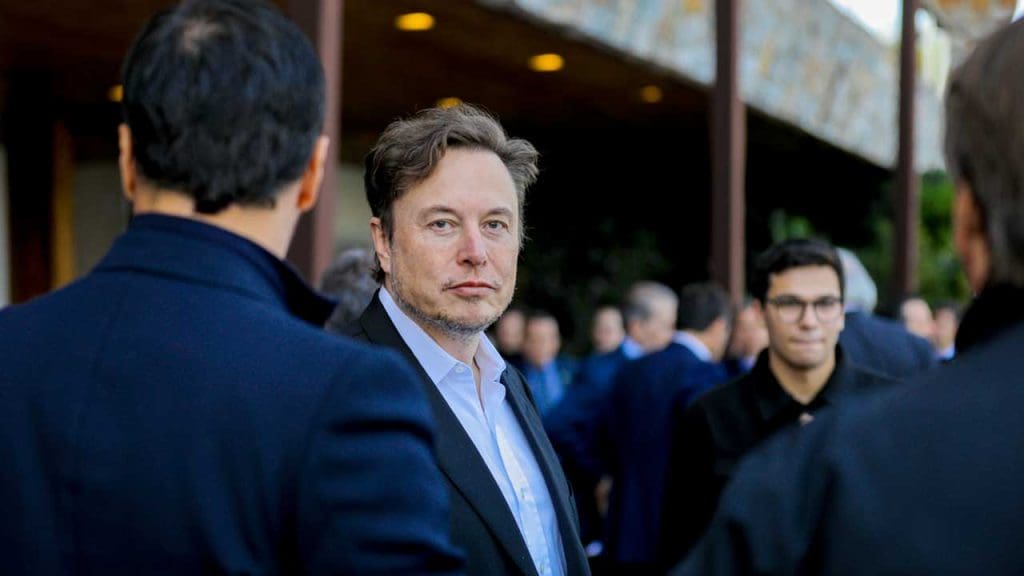
Elon Musk has often highlighted the limitations of smartphones, pointing to the passive nature of interacting with handheld devices. He envisions a future where neural interfaces, like those being developed by his company Neuralink, could render smartphones obsolete by allowing direct brain-to-computer communication. Musk argues that this form of technology would provide a more seamless and efficient way to interact with digital content, eliminating the need for physical devices.
Similarly, Mark Zuckerberg has been vocal about the potential of augmented reality (AR) to surpass smartphones. He sees AR as a means to create immersive experiences that blend the digital and physical worlds seamlessly. With his company Meta investing heavily in AR and virtual reality (VR) technologies, Zuckerberg believes that these innovations could replace the functionalities of smartphones by offering more integrated and engaging user experiences. You can read more about Zuckerberg’s views on smartphone evolution in this Glass Almanac article.
The Transition to Post-Smartphone Technology

Both Musk and Zuckerberg are betting on a future where technologies like neural interfaces and AR/VR become mainstream. Neuralink aims to create devices that can be implanted in the brain, potentially transforming how we interact with technology. Meanwhile, Meta is focusing on building the metaverse, a virtual reality space where users can interact with a computer-generated environment and other users.
The shift towards these technologies could have profound societal and cultural impacts. A move beyond smartphones might redefine how people communicate, work, and entertain themselves. However, there are significant challenges to overcome, such as privacy concerns associated with neural data and the need for robust infrastructure to support widespread adoption of AR/VR technologies.
Tim Cook’s Optimism: The Smartphone’s Evolution
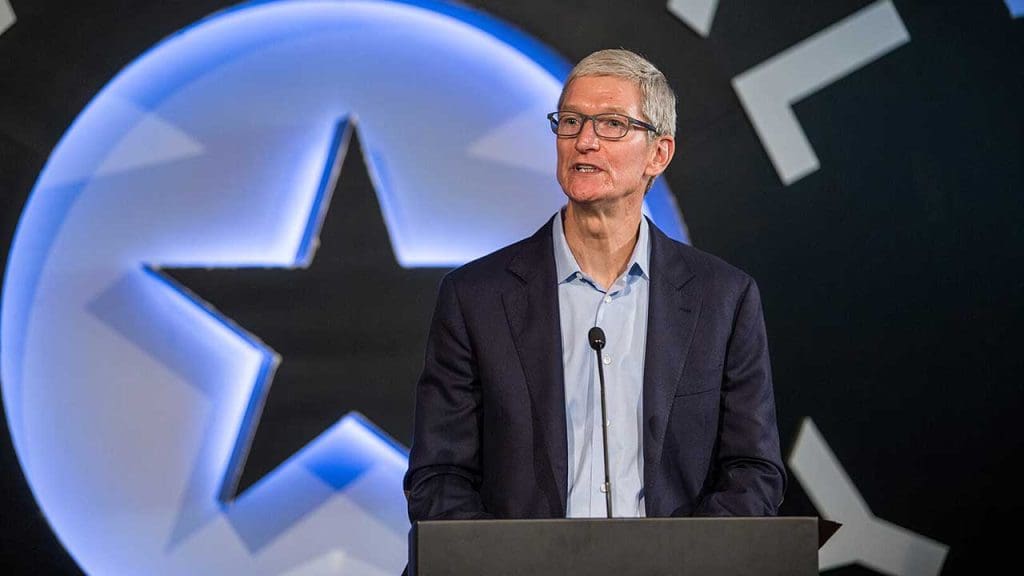
In contrast to Musk and Zuckerberg, Tim Cook remains optimistic about the future of smartphones. He argues that smartphones are not becoming obsolete but are instead evolving with new capabilities. Cook emphasizes that advancements in artificial intelligence (AI) and augmented reality are being integrated into smartphones, enhancing their functionality and user experience. According to Cook, these innovations will continue to make smartphones indispensable tools in everyday life.
Apple’s investment in cutting-edge technologies is evident in their ongoing development of features that leverage AI and AR. By incorporating these technologies within the smartphone ecosystem, Apple aims to provide users with more personalized and intuitive experiences. Cook’s perspective is that smartphones will continue to be central to our digital lives, evolving alongside emerging technologies rather than being replaced by them. More insights into Cook’s forward-thinking approach can be found in this GQ article.
Assessing the Market and Consumer Preferences

Current market trends suggest that the smartphone industry remains robust, with strong sales figures indicating sustained consumer interest. While emerging technologies are gaining attention, smartphones continue to be the primary device for communication and digital interaction for many people around the world. The enduring popularity of smartphones can be attributed to their convenience, versatility, and continuous innovation.
Generational differences also play a role in shaping preferences for technology. While younger generations may be more inclined to adopt new technologies like AR/VR, older generations often prefer the familiarity and reliability of smartphones. Additionally, in developing markets, smartphones are crucial for accessing digital services and information, further driving demand. These factors suggest that smartphones will remain relevant even as alternative technologies emerge.
The Future of Mobile Technology: Diverging Paths
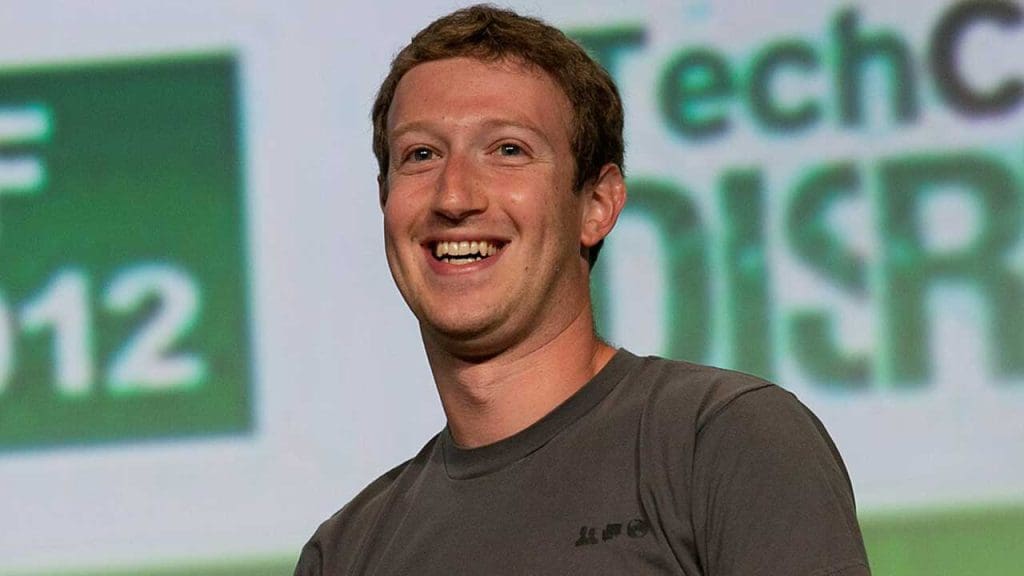
The differing visions of Musk, Zuckerberg, and Cook highlight a fascinating divergence in the potential paths for mobile technology over the next decade. Musk and Zuckerberg’s focus on revolutionary technologies could pave the way for a new era of digital interaction, while Cook’s emphasis on the evolution of smartphones suggests a more gradual integration of new features within existing frameworks.
It’s possible that we could see a coexistence of smartphones and new technologies, each serving different needs and preferences within a diverse tech ecosystem. As these technologies continue to develop, their paths may converge or conflict, shaping the future landscape of mobile technology. The ongoing debate among these tech leaders reflects the dynamic nature of the industry and the exciting possibilities that lie ahead. For further exploration of this topic, you can check out this comprehensive Daily Galaxy article.
