
YouTuber MrBeast, real name Jimmy Donaldson, recently expressed alarm over artificial intelligence’s potential to disrupt the content creation industry by threatening creators’ livelihoods. He described the current moment as “scary times” for the industry, highlighting AI’s role in this shift. This statement was made on October 6, 2025 (TechCrunch).
MrBeast’s Background in Content Creation
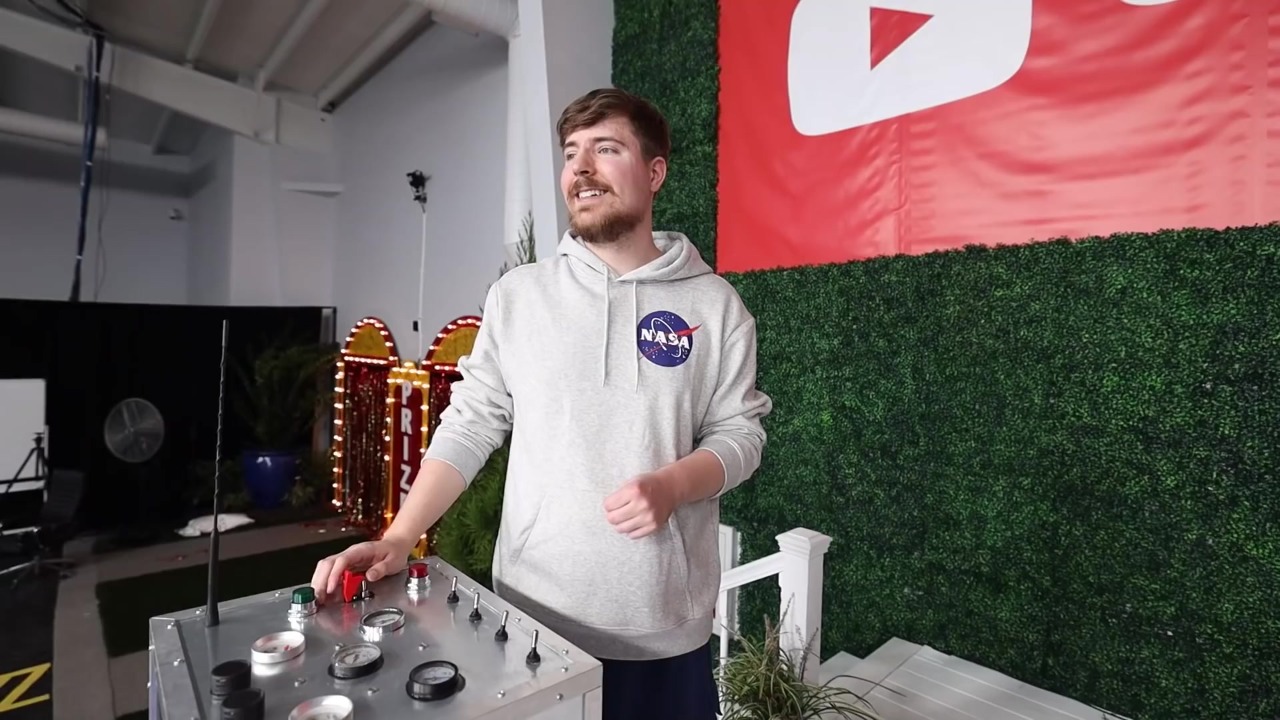
MrBeast, whose real name is Jimmy Donaldson, has become a household name in the world of YouTube, known for his extravagant giveaways and philanthropic efforts. His rise to fame is a testament to his innovative approach to content creation, which has significantly influenced the creator economy. MrBeast’s large-scale video productions, often involving elaborate setups and significant human effort, underscore the importance of creativity and originality in his work.
His success is built on a foundation of human creativity and effort, elements that could be profoundly impacted by advancements in artificial intelligence. As AI technology continues to evolve, there is a growing concern that it could automate many aspects of content creation, potentially diminishing the need for human input and creativity, which are central to MrBeast’s brand.
AI’s Specific Threats to Creators

MrBeast has voiced concerns that AI could threaten creators’ livelihoods by automating content generation, which might reduce the demand for original human work. He has described the current era as “scary times” for the industry, attributing this directly to AI’s disruptive potential (TechCrunch).
The fear is that AI could replicate or even surpass human creativity, leading to a landscape where machine-generated content becomes the norm. This shift could undermine the value of human-created content, posing a significant threat to creators who rely on their unique voice and perspective to engage audiences.
AI’s ability to generate content at scale poses a unique challenge to creators who have traditionally relied on their distinct style and creativity to build audiences. As AI systems become more sophisticated, they can analyze trends and audience preferences to produce content that is highly tailored and optimized for engagement. This could lead to a homogenization of content, where AI-generated works dominate due to their algorithmic precision, potentially sidelining human creators who offer diverse and unique perspectives.
Moreover, the economic implications are significant. As AI tools become more accessible, the cost of producing high-quality content could decrease, leading to increased competition and potentially driving down the value of human-created content. This economic pressure might force creators to adapt by either integrating AI into their workflow or finding new ways to differentiate their content in an increasingly crowded marketplace.
Broader Implications for the Industry
The potential impact of AI on the content creation industry extends beyond individual creators like MrBeast. AI tools could alter how creators monetize their content and engage with audiences. For instance, if AI-generated content becomes more prevalent, it could lead to a saturation of the market, making it harder for human creators to stand out.
There may also be regulatory or platform responses to AI integration in content creation. These could include new guidelines or policies aimed at ensuring that AI tools are used ethically and that human creators are protected from potential job displacement. Such measures would be crucial in maintaining a balanced ecosystem where both AI and human creativity can coexist.
The integration of AI into content creation could also transform the way audiences consume media. With AI’s ability to personalize content recommendations, platforms might prioritize AI-generated content that aligns with user preferences, potentially marginalizing human creators. This shift could alter the dynamics of content discovery, making it more challenging for new creators to gain visibility and build a following.
Furthermore, the rise of AI in content creation raises questions about intellectual property rights and ownership. As AI systems generate content, determining the rightful owner of such works becomes complex, potentially leading to legal challenges and the need for new frameworks to address these issues. The industry may need to develop standards and practices to ensure that creators are fairly compensated and recognized for their contributions, even as AI plays a larger role in content production.
MrBeast’s Call to Action
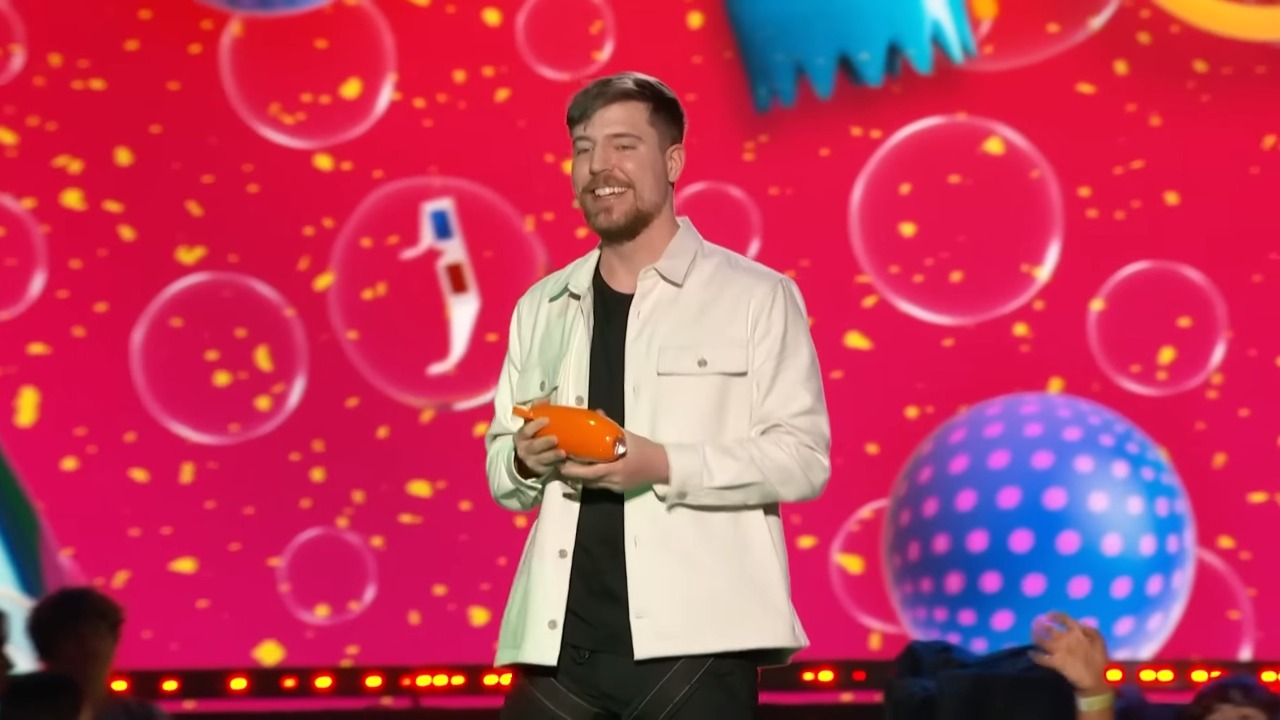
MrBeast’s statement serves as a warning to the industry, urging creators and stakeholders to be aware of AI’s role in reshaping opportunities. He emphasizes the need for vigilance as AI continues to evolve and integrate into various aspects of content creation (TechCrunch). While some creators have already begun using AI to enhance their work, MrBeast highlights the potential human impact, which he describes as “scary.” This perspective encourages a dialogue about the ethical use of AI and the importance of preserving the human element in creative endeavors.
MrBeast’s call to action is not just a warning but a rallying cry for creators to engage with the evolving landscape proactively. He advocates for creators to educate themselves about AI technologies and explore how these tools can be leveraged to enhance their creative processes without compromising their unique voice. This proactive approach could empower creators to harness AI’s potential while safeguarding their creative integrity.
Additionally, MrBeast emphasizes the importance of community and collaboration among creators to navigate the challenges posed by AI. By sharing knowledge and strategies, creators can collectively advocate for policies and practices that support a sustainable and equitable creative ecosystem. This collaborative effort could help ensure that the integration of AI into content creation benefits all stakeholders, preserving the diversity and richness of the creator economy.
