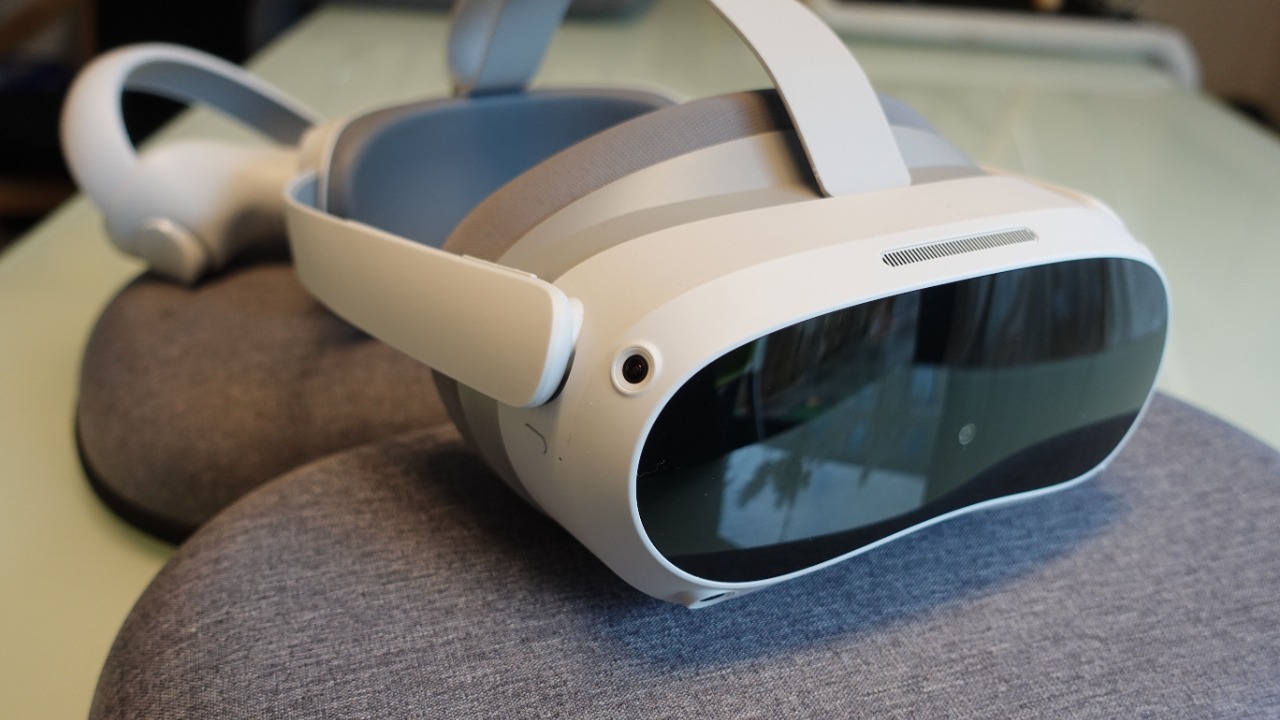

Meta’s grand metaverse experiment has reached a brutal inflection point. After Reality Labs racked up tens of billions of dollars in losses and wiped out a huge chunk of shareholder value, the company is now firing metaverse staff and shuttering studios as it pivots hard toward artificial intelligence. The shift marks a rare public retreat for Mark Zuckerberg, who spent years insisting that virtual and augmented reality would define the company’s future.
The layoffs and closures are not just a cost-cutting exercise, they are a tacit admission that Meta misjudged both the pace of consumer adoption and the economics of building a new computing platform from scratch. What is emerging in its place is a leaner, more conventional story: a highly profitable ad and social business, now racing to turn AI into the next growth engine after the metaverse burn.
How Reality Labs burned through $73B
Meta’s metaverse dream was always going to be expensive, but the final bill stunned even seasoned tech investors. Over roughly five years, the Reality Labs division, which Meta itself describes as its longtime bet on virtual reality, augmented reality glasses, and the broader “metaverse,” piled up about $73 billion in cumulative losses. That figure reflects a sustained push into VR headsets like the Quest line, experimental AR hardware, and the software ecosystem meant to keep users inside Meta’s virtual worlds.
The financial fallout went far beyond one division’s red ink. As Reality Labs spending ballooned, Meta’s market value shrank dramatically, with investors watching the company shed about $220 billion in market capitalization while the VR unit alone hit that $73 billion loss mark. One investor, identified as @AWFF1189, captured the frustration by noting that whenever they see capital burn on this scale, they think about what else could have been built with the same money. The metaverse bet was supposed to buy Meta a defensible new platform; instead, it bought a historic drawdown in shareholder wealth.
Studios shuttered, teams gutted
The human cost of that strategic reversal is now coming into focus. As Meta pulls back from its most aggressive metaverse ambitions, it has started closing game studios and cutting staff who were hired to populate its virtual worlds. In the gaming community, users on r/Games have flagged that Meta has closed several studios, including high-profile VR developers, and noted that about 10% of their was laid off as part of the broader restructuring. The sentiment in those threads is blunt: They argue that Meta is giving up hard-won ground in VR, however small, in order to chase AI.
Separate discussions among fans of specific studios paint an even starker picture. On r/TwoBestFriendsPlay, users highlighted that Meta shut down Armature Studio, Sanzaru Games, and Twisted Pixel, treating them as collateral damage in the company’s pivot away from its earlier metaverse push. The closures, which one poster grouped under the banner that Meta shuts down those teams, effectively erase some of the most experienced VR game developers from the company’s roster. For employees, the story is not about abstract billions, it is about projects canceled midstream and careers abruptly rerouted.
From $77 Billion burn to AI pivot
Inside Meta’s executive suite, the numbers eventually forced a reckoning. Reporting on the company’s strategy has noted that, after reportedly burning through $77 Billion on its metaverse push, Mark Zuckerberg finally shifted Meta’s focus. The phrase “After Reportedly Burning Through” captures the scale of the reversal: a chief executive who once renamed Facebook to Meta to signal his conviction is now publicly rebalancing the company’s approach and shifting resources elsewhere. The metaverse is not dead inside Meta, but it is no longer the singular obsession that justified almost any level of spending.
The new obsession is AI. Meta is pouring capital and talent into large language models, recommendation systems, and generative tools that can be woven into Facebook, Instagram, WhatsApp, and its ad stack. Investors have noticed that META is now mentioned in the same breath as MSFT when people talk about the emerging AI “gold rush,” with one market watcher saying that $META and $MSFT just sent a message to every company that there is “gold in those hills.” The contrast is striking: where the metaverse story was about speculative future platforms, the AI story is about immediate monetization inside products that already reach billions of people.
Why the metaverse vision stalled
The retreat from metaverse spending is not just about fickle investors, it reflects structural problems with the underlying vision. Reality Labs was tasked with building hardware, operating systems, developer tools, and consumer apps all at once, a level of vertical integration that even Meta’s vast cash flows struggled to sustain. The division’s focus on VR headsets and AR glasses required heavy subsidies to keep prices palatable, while the user base remained modest compared with Meta’s core social platforms. As the years went by and the losses mounted to that $73 billion figure, it became harder to argue that the metaverse would pay off on any reasonable timeline.
There was also a narrative problem. While Meta tried to sell the metaverse as the next evolution of the internet, consumers largely saw clunky avatars, limited social experiences, and a gaming ecosystem that could not compete with established platforms like PlayStation 5 or Nintendo Switch. On r/Games, users who followed Meta’s moves closely pointed out that They would give up all this ground however small for AI, a telling admission that even enthusiasts felt the company was abandoning VR before it had fully matured. When a strategy loses both Wall Street and the early adopter community, it becomes very difficult for leadership to keep writing blank checks.
What the layoffs signal for Meta’s future
The firing of metaverse staff and closure of studios like Armature Studio, Sanzaru Games, and Twisted Pixel are more than isolated cost cuts, they are a signal about how Meta now sees its own future. By trimming a reported 10% of its workforce and pulling back from experimental VR content, Meta is effectively saying that the next decade will be defined less by immersive headsets and more by AI woven into everyday apps. The company still owns valuable VR infrastructure, but it is no longer willing to subsidize it at any price, a sharp contrast with the free-spending era that produced the $77 Billion burn.
For employees and creators who bet their careers on the metaverse, the message is sobering. Meta’s willingness to pivot so aggressively, even after renaming the entire company around the concept, shows that no internal narrative is sacred when the financials turn. At the same time, the company’s renewed discipline, reflected in its focus on AI-driven revenue and the market’s more positive reaction to META’s performance alongside peers like MSFT, suggests that the age of unchecked platform experiments is over. The metaverse is not gone, but after $73 billion in losses and a wave of layoffs, it has been demoted from destiny to side project.
More from Morning Overview