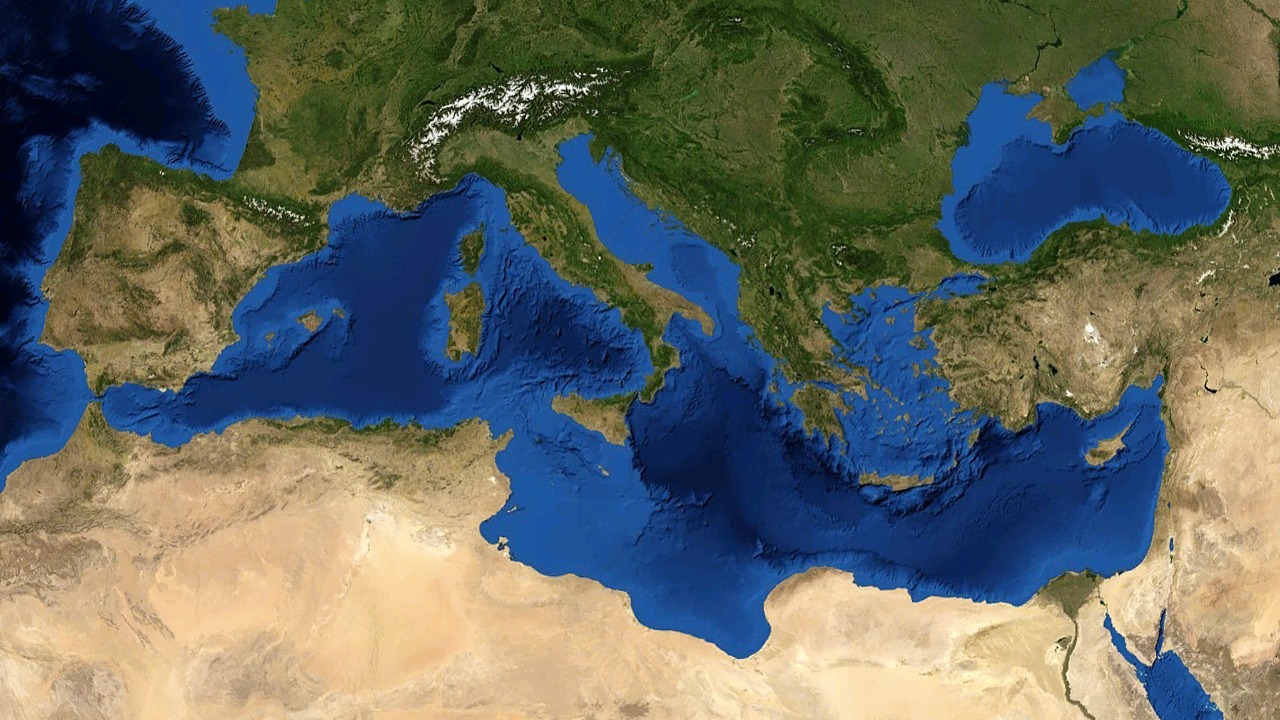

The Mediterranean Sea has surged into uncharted thermal territory, with surface waters hitting their highest levels on record and locking the region into a prolonged marine heatwave. What was once a temperate basin is now warming faster than the global ocean, turning a familiar holiday backdrop into a frontline of climate risk for ecosystems, economies and coastal communities.
As the heat builds, scientists warn that the Mediterranean is shifting from a warning sign to a test case for how societies cope with a hotter, more volatile planet. Record sea temperatures, intensifying storms and creeping ecological collapse are converging into a single story: the climate crisis is no longer abstract, it is lapping at the shore.
Record-breaking heat in a semi-enclosed sea
In recent summers, the Mediterranean Sea has moved from “unusually warm” to “record shattering,” with average surface temperatures now exceeding anything previously observed. In July 2025, the In July heat spike pushed the basin to its hottest state on record, a serious red flag that confirmed a trend already visible in satellite and buoy data. Earlier that summer, monitoring by Europe and the ocean services showed June 2025 as one of the warmest on record globally, with high‑intensity marine heatwaves gripping roughly 62% of the basin. That scale of anomaly is not a blip, it is a structural shift in the sea’s energy balance.
The Mediterranean is particularly vulnerable because it is a semi‑enclosed basin with limited exchange with the Atlantic, which means heat and salt tend to accumulate rather than disperse. Satellite estimates cited in reporting on Spain, France and show that in parts of the western basin, temperatures have soared more than 7 degrees Celsius above the seasonal norm, effectively turning large swaths of sea into a hot tub. Regional climate analyses, including the First Mediterranean Assessment (MAR 1), underline that this basin is warming faster than the global average, a conclusion echoed by Copernicus Earth Observation data on rising Temperatures in the Mediterranean.
A marine heatwave that refuses to end
What makes the current episode so alarming is not only how hot the water has become, but how long the heat is sticking around. A Mediterranean Sea data visualization based on Copernicus Marine Service (CMEMS) shows a marine heatwave with anomalies of more than 5 degrees Celsius above the seasonal average, persisting week after week. Earlier in the summer, scientists tracking the Mediterranean Se warned that Water temperatures were expected to stay elevated into late July, turning what might once have been a short‑lived spike into a season‑long stress test for marine life.
By the end of June, observational networks were already flagging that the western Mediterranea was running far hotter than usual, with scientists warning that Extremely warm conditions were likely to persist into the peak tourist months. A separate alert from CMEMS and related services described high‑intensity heatwaves affecting much of the basin, while a Copernicus social media post noted that a marine heatwave was ongoing in the Copernicus Marine Service record with anomalies of more than 5 degrees Celsius. Forecast‑to‑impact studies, such as those highlighted in The Mediterranean climate challenge work, show that such persistent anomalies are now a recurring feature of a rapidly changing climate rather than a rare freak event.
Ecological shock: from seagrass to megafauna
The ecological consequences of this marine heat are already visible from the seafloor to the surface. Rising temperatures and acidification are reshaping habitats, with seagrass meadows, fish populations and coastal wetlands all flagged as at risk from Rising heat and chemical change in and around the Mediterranean. Analyses of the Mediterranean warming trend point to cascading impacts on species that depend on cooler, oxygen‑rich waters, from iconic Posidonia seagrass to commercially important fish.
Scientists warn that Intense marine heat can have devastating consequences for ecosystems, with ripple effects that extend onto land as food webs and weather patterns shift. Reporting on Intense heat episodes notes that the Sea surface anomalies are unlikely to drop anytime soon, raising the risk that repeated heatwaves will change the region beyond recognition. Earlier work on how DOI marine life responds to extreme temperatures warned that record sea temperatures in the Mediterranean could devastate sensitive species, while a broader DOI perspective stressed that the ocean sustains food, oxygen and climate regulation for the entire planet.
From beaches to cities: human risks on the rise
The Mediterranean’s heat surge is not just a story about coral, fish and plankton, it is already reshaping life on land. Scientists tracking the region’s overheated waters say prolonged high sea surface temperatures are linked to lost income, fewer tourists and more “freak” weather, with Scientists warning that The Mediterranean Sea is warming at a faster rate than the global average. That combination of economic and climatic stress is particularly acute in coastal towns that depend on predictable summer seasons and stable shorelines. As the semi‑enclosed Heatwave crisis in intensifies, declining rainfall and drier conditions are exacerbating the risk of wildfires and water shortages.
Warmer seas also feed more energetic storms and heavier downpours, amplifying flood risks for cities that already sit at the edge of rising water. Global analyses of ocean heat content note that the amount of heat taken up by the ocean is colossal, equivalent to more than 200 times the total amount of electricity used by humans each year, a staggering figure that helps explain why coastal storms are becoming more destructive. Regional assessments, including MAR 1’s Assessment of climate change in the Mediterranean, highlight that sea level rise, heatwaves and extreme rainfall are converging hazards for densely populated coasts.
Why the Mediterranean is a climate hotspot
Climate scientists increasingly describe the Mediterranean as one of the world’s most vulnerable hotspots, a label that reflects both its physical geography and its social exposure. A widely shared Jul briefing on the #MediterraneanSea noted that this basin is warming 20% faster than the global average, a finding consistent with Copernicus Earth Observation data on rising Mediterranean temperatures. The semi‑enclosed nature of the sea, combined with intense coastal development and heavy maritime traffic, means that every extra fraction of a degree compounds existing pollution, overfishing and habitat loss.
Studies on the region’s future, such as the CMCC‑led work on Mediterranea climate challenges, warn that biodiversity loss, heatwaves and megafires are likely to intensify without rapid emissions cuts and adaptation. The MAR work frames the Mediterranean as a preview of global coastal futures, where densely populated shorelines must contend with hotter seas, more erratic rainfall and mounting pressure on freshwater and food systems.
More from Morning Overview