
HIV, once considered a terminal illness, is now viewed by experts as a manageable chronic condition, thanks to advancements in medical treatments and global health initiatives. Despite this progress, challenges remain in ensuring all affected individuals have access to necessary resources and care.
Medical Advancements in HIV Treatment

The evolution of antiretroviral therapy (ART) has been a game-changer for individuals living with HIV. With the development and widespread availability of ART, what was once a fatal diagnosis is now a manageable condition. Over the years, continuous improvements in ART formulations have significantly reduced side effects, making it easier for patients to adhere to their treatment regimens. This has led to better health outcomes and improved quality of life for many.
Research into HIV continues to yield promising developments, particularly in the area of vaccines and potential cures. Collaborative efforts in global health initiatives are crucial for accelerating the research and development of these new treatments. Scientists are optimistic about the future, with ongoing studies aimed at finding a vaccine that could prevent HIV infection altogether, potentially transforming prevention strategies worldwide.
Global Health Initiatives and Challenges
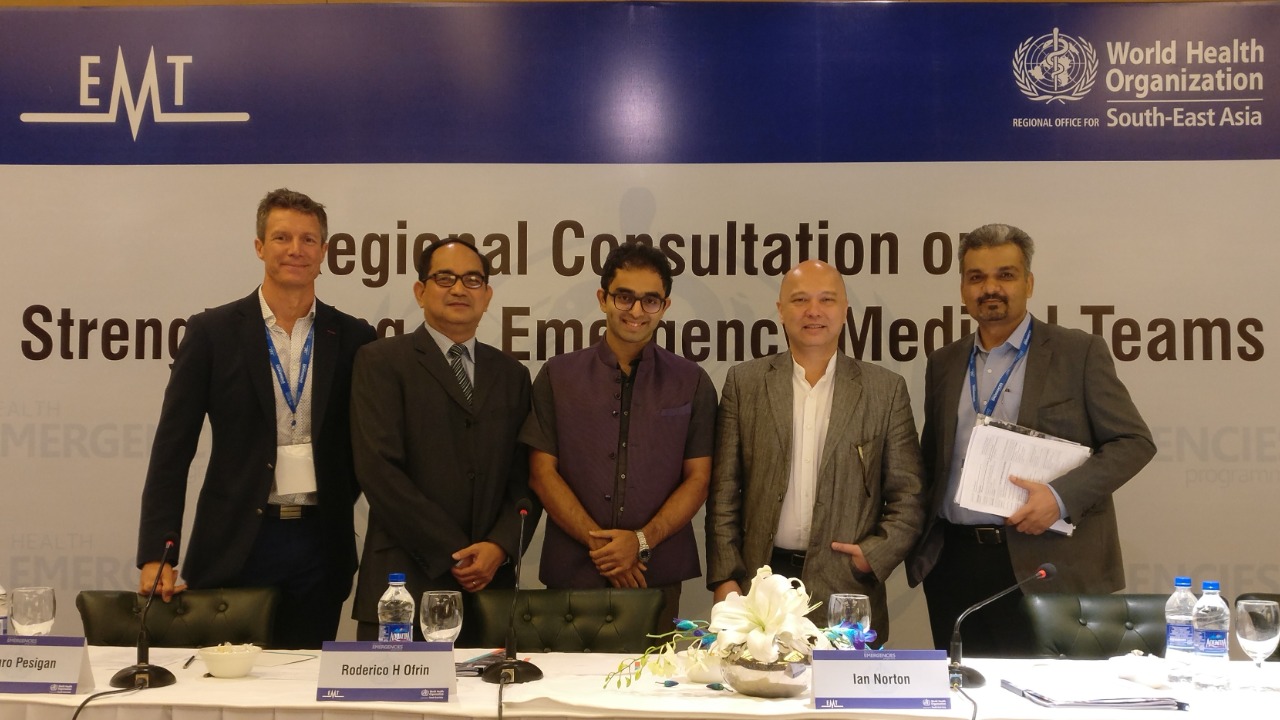
International organizations have played a pivotal role in combating HIV. Entities like the World Health Organization (WHO) and UNAIDS have been instrumental in providing resources and support to countries heavily affected by HIV. Their efforts have not only increased awareness about HIV prevention and treatment but also helped reduce stigma surrounding the disease. However, recent funding cuts, such as those affecting USAID, pose significant threats to the progress made in HIV prevention and treatment efforts.
The sustainability of HIV programs is at risk, especially in low-income countries where resources are already limited. These funding cuts threaten to undermine the substantial progress achieved over the past decades, making it crucial for global health stakeholders to find ways to maintain and expand support for HIV programs. The international community must work together to ensure that these vital initiatives continue to receive the necessary funding.
The Psychological and Social Aspects of Living with HIV

Even with medical advancements, individuals living with HIV still face discrimination and stigma that can significantly impact their quality of life. Addressing this stigma is crucial, and efforts to educate communities and promote acceptance are essential. Studies, such as those published by the American Psychological Association, highlight the importance of mental health support for individuals diagnosed with HIV, emphasizing the need for comprehensive services to help them cope with the emotional challenges of living with the virus. Research underscores the importance of community support groups and counseling services in providing emotional and psychological support.
Many individuals with HIV experience mental health challenges, and having access to support networks can make a significant difference in their lives. These services not only help them manage the psychological impact of their diagnosis but also encourage adherence to treatment regimens by providing a sense of community and understanding.
Future Outlook for HIV Management

The future of HIV management relies heavily on continued research and innovation. Ongoing investment in research is vital for further advancements in HIV treatments and potential cures. Collaborative partnerships between governments, the private sector, and non-profit organizations are essential to sustain momentum in HIV research and development. Such partnerships can drive innovation and ensure that new treatments are developed and made accessible to those who need them most.
Ensuring equitable access to HIV care is another critical aspect of future management strategies. Efforts must be made to bridge the gap in access to HIV treatments across different regions and populations. Policy changes and advocacy are necessary to ensure that all individuals living with HIV receive the care and support they need. By focusing on equitable access and continued innovation, the global community can strive towards a future where HIV is no longer a public health threat.
