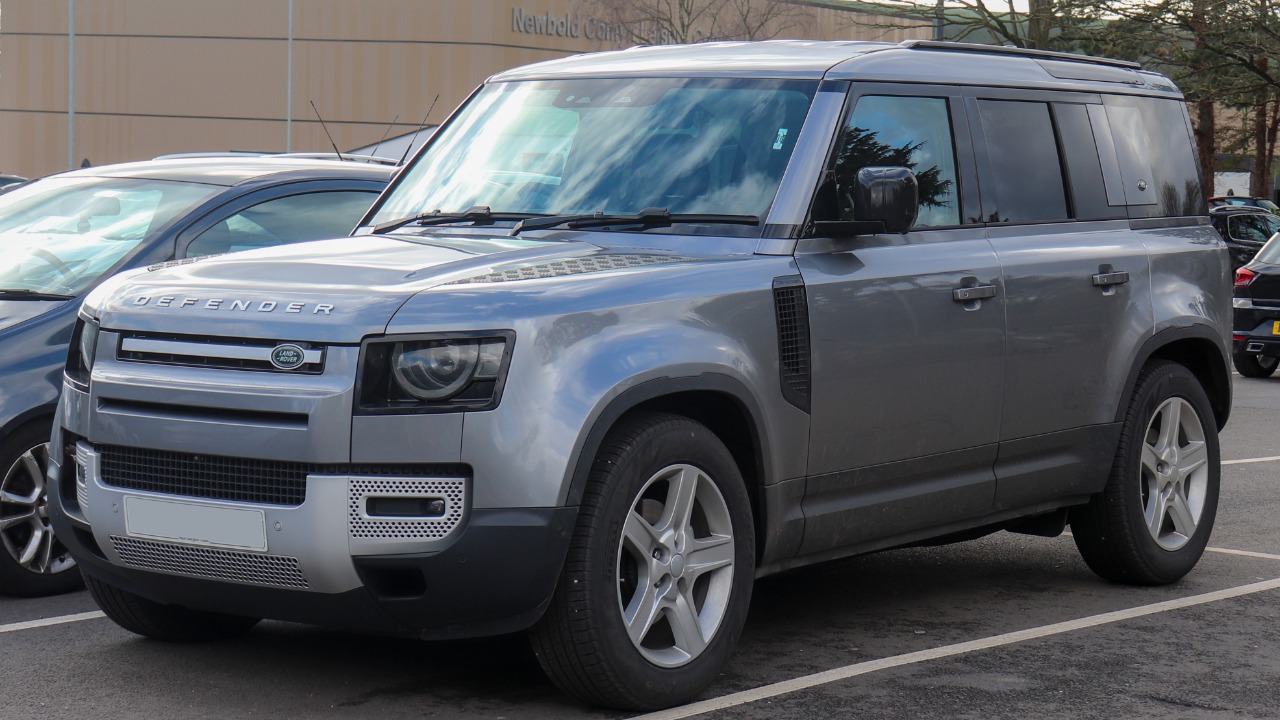

Automotive experts have recently shed light on an alarming issue – certain SUVs on the market are being manufactured with obsolete parts, components that have already been discontinued by their creators. This revelation brings up serious questions about the durability, reliability, and most importantly, the safety of these vehicles.
The Issue with Obsolete Parts in SUVs
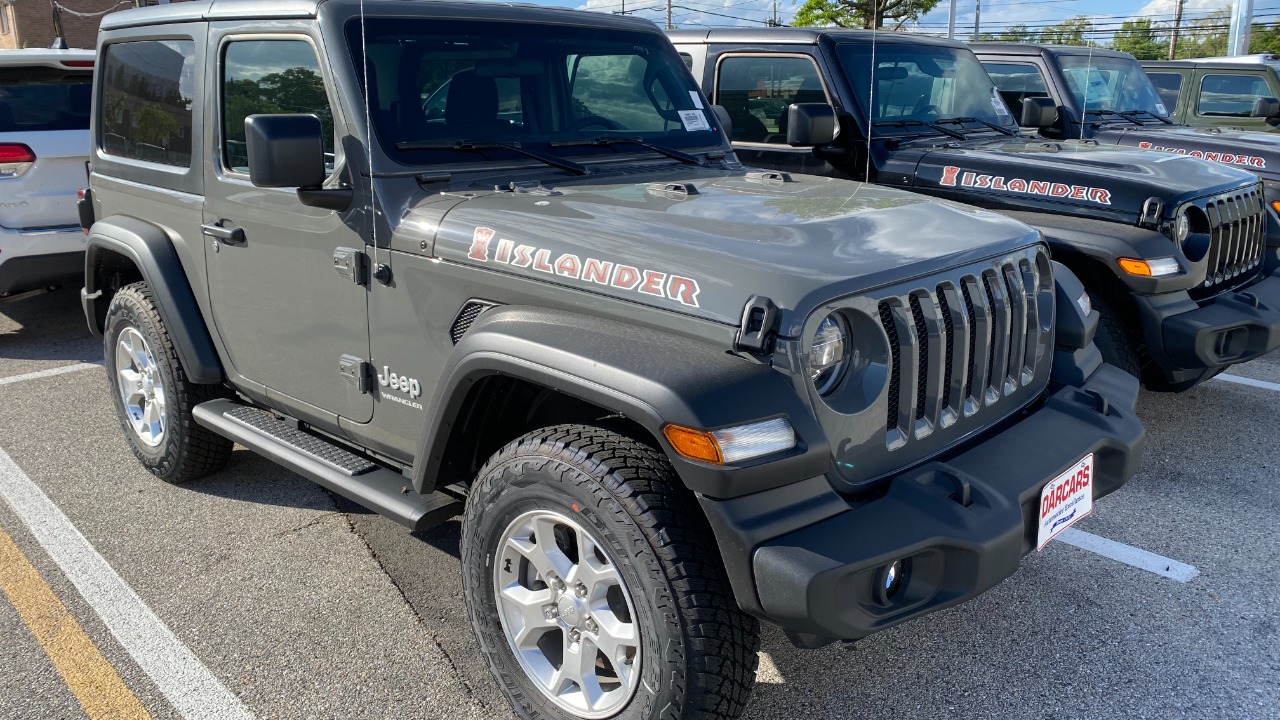
An obsolete part is one that has been phased out by its manufacturer, often due to advancements in technology or changes in industry standards. Despite this, these parts occasionally find their way into the assembly lines of new vehicles. For instance, the 2021 Jeep Wrangler has been known to contain old-style drum brakes in place of the more modern disc brakes, a factor that could compromise the vehicle’s stopping power.
Utilizing such outdated components presents several risks. Primarily, there are safety concerns. Obsolete parts may not meet current safety standards or perform as well as their modern counterparts. Additionally, obtaining replacements for these parts may prove challenging once they fail or wear out, making future repairs more difficult and potentially costlier. To understand the extent of this issue, this video provides insights into the subject.
Reasons Behind Using Discontinued Parts
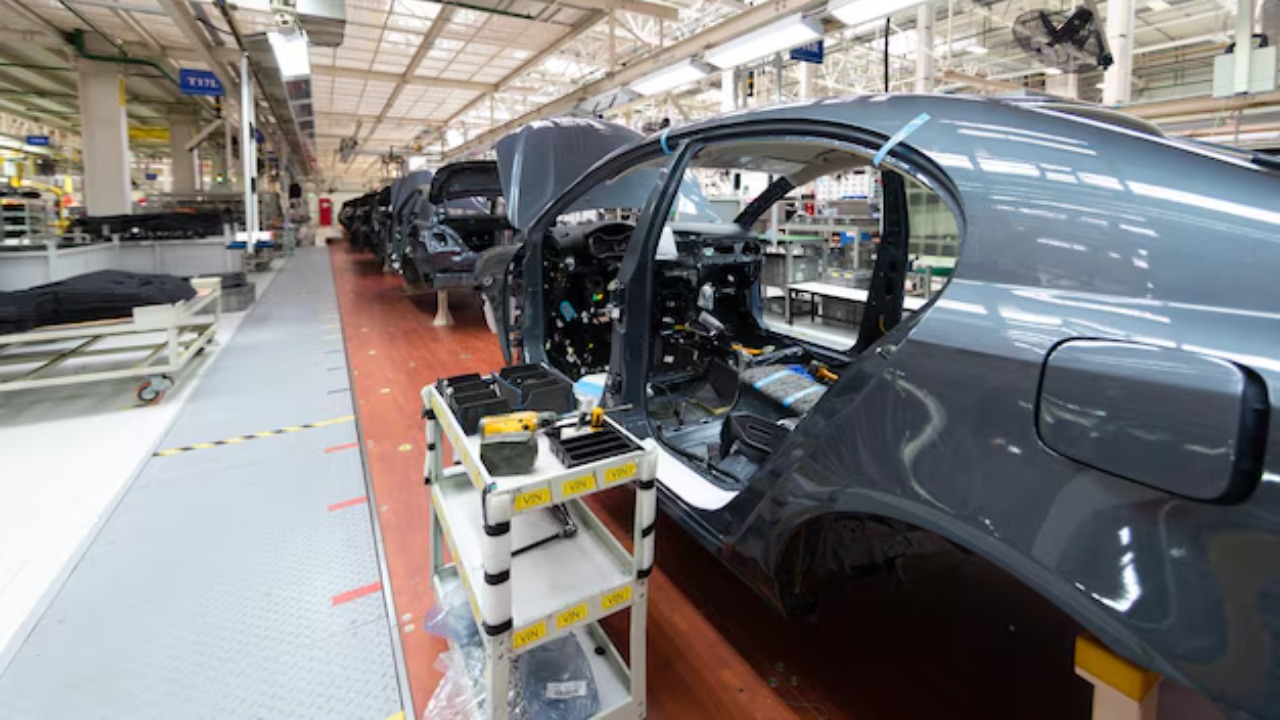
So, why would manufacturers use obsolete parts in their vehicles? Economic factors play a significant role. Using up surplus stock of old parts can cut costs for manufacturers. Moreover, marketing strategies may also influence this decision. For instance, a company might market an SUV as having a “classic” or “vintage” feature, which is actually an obsolete part.
Additionally, a lack of stringent regulations and oversight in certain aspects of the automotive industry allows these practices to continue. A detailed analysis of these practices can be found in this research study.
Impact on Owners and Market Value
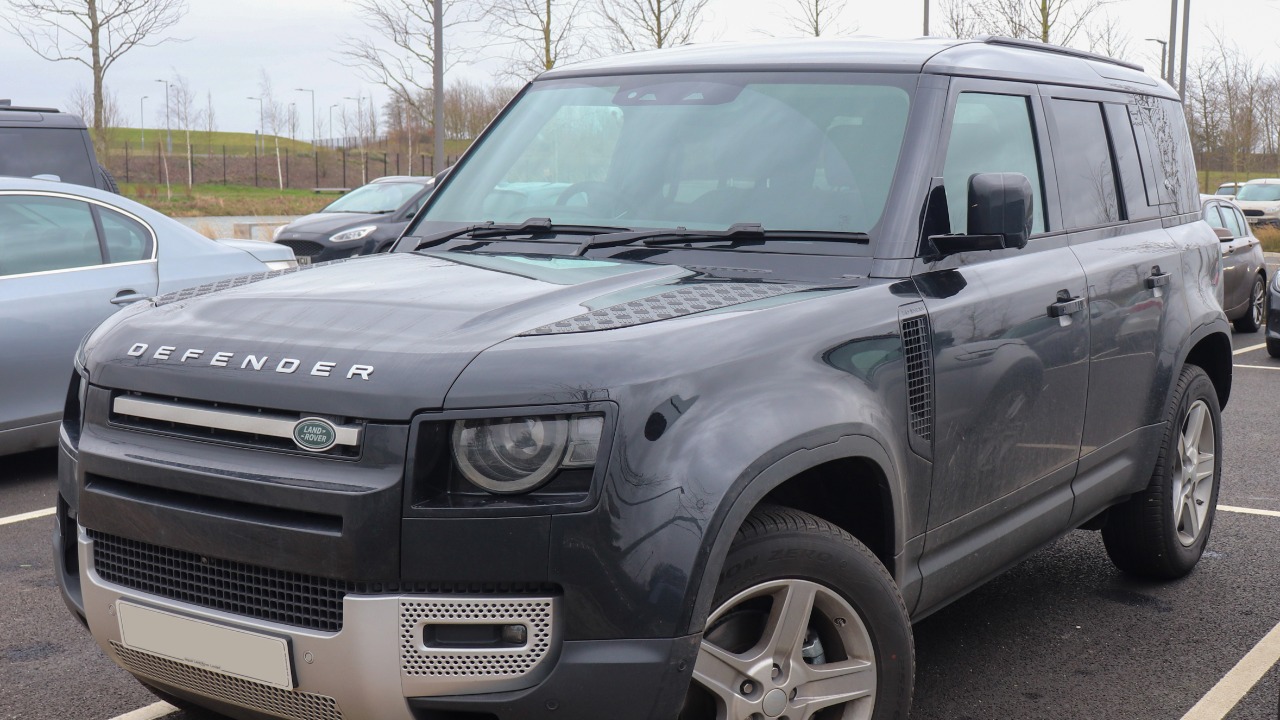
The presence of obsolete parts can significantly impact the resale value of an SUV. Potential buyers, aware of the involved risks and the potential for higher maintenance costs, may be reluctant to pay a premium price. For example, owners of the 2020 Land Rover Defender have reported lower resale values due to the presence of outdated infotainment systems.
Further, owners may face additional maintenance and repair costs due to the use of discontinued parts. These costs can accumulate over time, making the vehicle more expensive to own than initially anticipated. This video discusses the experiences of several SUV owners who have faced such problems.
Steps Towards Resolution

Addressing this issue requires a multi-pronged approach. Manufacturers should take steps to phase out the use of obsolete parts entirely, focusing on incorporating up-to-date, efficient, and safer components into their vehicles. Regulatory bodies could also play a crucial role by stepping up oversight and implementing stricter regulations regarding the use of discontinued parts in new vehicles.
Moreover, increased consumer awareness can drive change. If buyers demand vehicles free from obsolete parts, manufacturers may be compelled to alter their practices. A closer look at the potential solutions to this problem can be found in this study.
Future Trends in SUV Manufacturing

Looking ahead, the SUV manufacturing industry is likely to see several changes. Manufacturers are beginning to focus on sustainability and technological advancements. Vehicles are increasingly being equipped with eco-friendly parts and advanced technology features, reducing the likelihood of obsolete parts being used.
However, the transition might not be entirely smooth. Given the current issues with obsolete parts, there may be hurdles to overcome. Nonetheless, the industry appears to be moving in the right direction. For a comprehensive list of vehicles that have moved away from the use of obsolete parts, check out this article.