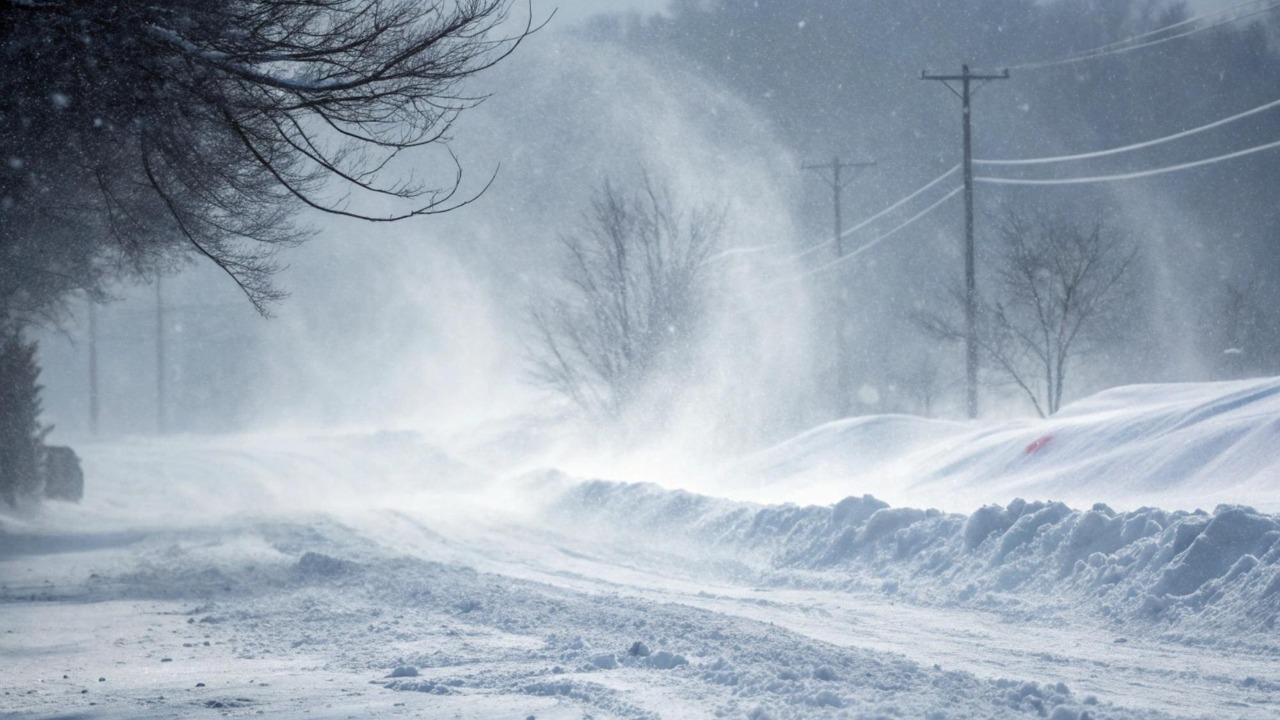

More than 70,000 homes and businesses across Louisiana are in the dark after a crippling winter storm coated power lines and roads in ice, prompting state leaders to declare an emergency and mobilize every available resource. The outages are part of a broader regional crisis that has left hundreds of thousands without electricity across the South, but the combination of extreme cold and fragile infrastructure makes the situation in Louisiana especially precarious. As crews race to restore service, the storm is testing how well the state, utilities, and federal partners have learned the lessons of past disasters.
The scale of the blackout is still shifting by the hour, yet early data show just how quickly the grid was overwhelmed as ice accumulated. With temperatures expected to stay low and more freezing rain possible in some parishes, officials are warning that the danger will not end when the precipitation stops, but only once power is reliably back and vulnerable residents are warm and safe.
Ice storm slams Louisiana’s grid
The winter blast that triggered the emergency did not hit Louisiana in isolation, it arrived as part of a sprawling system that has hammered the South and East with snow, sleet, and freezing rain. Meteorologists tracking Winter Storm Fern describe a powerful event bringing heavy ice accumulations across the South and into the East, conditions that are notoriously punishing for overhead power lines and tree limbs. As the storm’s leading edge moved into Louisiana, ice began to weigh down utility poles and communication towers, setting the stage for widespread failures.
By early morning, the impact was visible on outage trackers that monitor every parish in the state. A statewide summary showed 84,829 Customers Out out of 1,324,022 Tracked, an Outage Percent of 6.41%, a snapshot that underscored how quickly the grid buckled once ice began accumulating. Those figures, which capture Outages across multiple Utility territories, are fluid, but they confirm that tens of thousands of households lost power in a matter of hours as the storm took hold.
Emergency declaration and state response
State leaders had already signaled how seriously they viewed the threat before the first lines went down. Governor Jeff Landry issued an executive order declaring a state of emergency, warning that extended power outages during periods of extreme cold present a serious threat to vulnerable populations and noting that parish authorities were bracing for prolonged disruptions. The order, laid out in a series of formal WHEREAS clauses, framed the storm as a statewide hazard that could strain hospitals, shelters, and local emergency services if electricity remained out for days.
That assessment was echoed in reporting that highlighted how quickly conditions could deteriorate if the grid failed. Journalist Piper Hutchinson noted that State Climatologist Jay Grymes expected the heaviest impacts in parts of north and central Louisiana, with the potential for dangerous ice and travel conditions lasting no more than a week but intense enough to knock out power and isolate communities. That forecast helped justify the early emergency declaration, which unlocked state resources and coordination tools before the worst of the weather arrived.
Utilities struggle with widespread outages
On the ground, the most immediate challenge has been restoring electricity as fast as the storm knocks it out. Entergy Louisiana reported that, As of 7 a.m., approximately 53,000 customers across Entergy Louisiana’s service area were without power as a result of winter weather, a figure that climbed as ice thickened on lines and trees. The utility cautioned that not all circuits could be restored at once, since crews must first address downed lines and dangerous conditions before re-energizing neighborhoods.
Later in the day, a broader company update stressed that these figures may include outages not related to the storm, but the message was clear: crews were being shifted and resources reallocated to support the hardest hit regions. In a Jan afternoon bulletin, Entergy described how it reallocates resources necessary to support crews already working restoration, a strategy that relies on the company’s centralized Storm Center for outage alerts and the latest restoration updates. That same model has been promoted to Entergy Texas customers as a way to track storm readiness, underscoring how the company is trying to standardize its response across state lines.
Local impacts: cold homes, dark streets, and strained shelters
Behind the outage statistics are families huddling in cold homes and communities scrambling to keep people safe. Local broadcasters reported thousands of Louisiana residents experiencing power outages due to the winter storm, with one update noting that the situation had been unfolding for 12 hours 3 minutes 45 seconds by Sunday morning. Those reports, filed on a cold Jan Sunday in local News segments that urged viewers to Share information about warming centers, highlighted how quickly shelters in some parishes were filling as residents sought heat and charging stations.
In the northern part of the state, the human geography of the blackout has been mapped in granular detail. Reporter Presley Bo Tyler of the Shreveport Times described how, as a winter storm begins to take hold in Louisiana, the National Weather Service has warned about ice bringing down utility poles and communication towers. That parish-level view shows clusters of outages in rural areas where backup options are limited, making the difference between a brief inconvenience and a life-threatening emergency for residents who rely on electric heat or medical equipment.
Federal coordination and multi-state stakes
The crisis in Louisiana is unfolding alongside similar emergencies in neighboring states, which has drawn in federal agencies and the White House. As of 5 a.m., more than 554,000 utility customers in Texas, Louisiana, Mississippi, Tennessee and New Mexico had lost power, a regional toll that complicates mutual aid because every state is drawing on the same pool of lineworkers and equipment. That multi-state strain is one reason President Trump’s team has moved quickly to approve a historic amount of emergency declarations in record time, according to a Jan statement that emphasized coordination with states to monitor power outages, shelter occupancy, and road closures.
On the disaster management side, FEMA has formally stepped in to support Louisiana’s response. In its 2026 Winter Storm disaster page, the agency notes in its News Releases and Blogs that FEMA announced today that federal disaster assistance is available to the state of Louisiana to supplement state and local recovery efforts. A more detailed update explains that this assistance will help cover emergency work and the repair or replacement of facilities damaged by the storm, a crucial backstop for parishes that lack deep tax bases or reserves.
More from Morning Overview