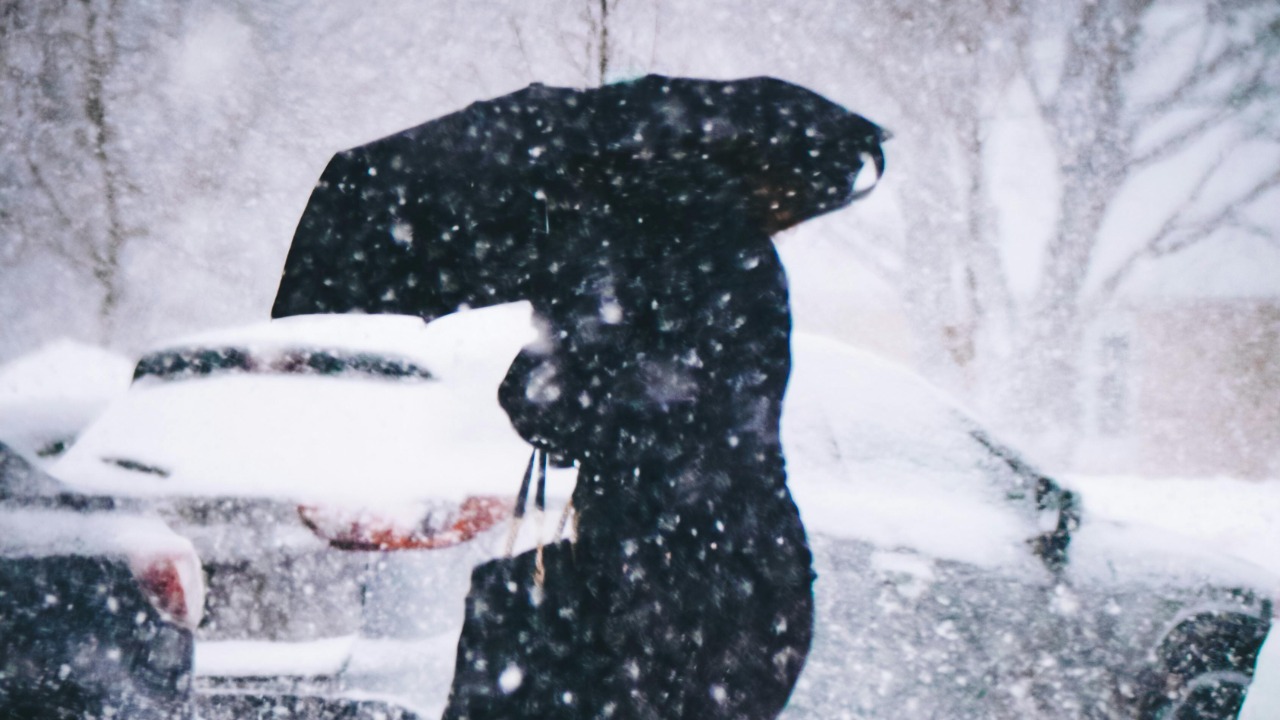

When the lights snap off in the middle of a snowstorm, the first few minutes matter more than most people realize. Cold air seeps in quickly, pipes start to cool, and small mistakes with generators or candles can turn an inconvenience into an emergency. The goal is simple: act fast, stay warm, and avoid the hidden hazards that come with a winter blackout.
I focus on three priorities when power fails in freezing weather: protect people from immediate danger, trap as much heat as possible inside the home, and stretch food and supplies until the grid comes back. With a clear checklist and a few practical habits, you can ride out even a long outage far more safely and comfortably.
Stabilize the situation in the first 10 minutes
The first step is to make sure no one is in immediate danger from the storm or the outage itself. I start by checking for hazards outside the windows, especially any downed lines, and I treat every fallen wire as live. Emergency managers urge people to Avoid downed power lines entirely and keep children and pets away. I also move everyone into the safest interior room, away from large trees or heavy ice-laden branches that could come down in high winds.
Once people are safe, I turn to information and communication. Disaster guidance stresses that People should stay informed about the storm track and restoration efforts, so I power up a battery radio or phone to check alerts. If I am in a region with rotating “power block” schedules, local posts advise that Here is where residents are told to be ready when electricity briefly returns so they can charge devices and run critical appliances. In Ohio, regulators go further, with the Ohio Public Utilities urging residents to call their servicer and use outage maps to track progress.
Trap heat and keep everyone warm
Cold is the most immediate threat in a winter blackout, so I move quickly to conserve every bit of warmth. Experts describe Ways To Preserve that start with shrinking your living space. I close off unused rooms, hang blankets over doorways, and follow advice to Consolidate Your Space so everyone gathers in one insulated room. Guidance from cold-weather safety campaigns notes that Keep Warm in Cold Weather Power cuts by taking early action before the house fully cools.
Doors and windows are the next weak points. Multiple advisories stress that you should Limit opening and closing exterior doors so warm air does not escape. I stuff towels along thresholds, cover windows with extra blankets, and follow state guidance that urges residents to Stay inside and minimize drafts. Practical checklists echo the same point, warning that How you manage doors and window gaps can make the difference between a chilly room and a dangerously cold one.
Use heat sources and generators safely
Once the home is sealed, the temptation is to improvise heat, but this is where the biggest risks lurk. Safety advisories are blunt: do not bring outdoor grills, camp stoves, or fuel heaters inside, and Prevent carbon monoxide poisoning by keeping any combustion device outdoors. Federal guidance on Power Outage Tips is explicit that you should Use a generator ONLY outdoors and away from windows, and never run it in a garage, even with the door open. In Houston, where a recent Houston winter storm turned into freezing cold, officials again highlighted Essential generator safety and Immediate steps to cut carbon monoxide risk.
Even without a generator, there are safer ways to add a little warmth. I lean on layers of clothing, sleeping bags, and shared body heat, following advice that Here are the essential steps everyone should know, including keeping blankets and sleeping bags handy. Some guides suggest a small propane burner for cooking, but they stress that Propane devices must be used with proper ventilation. Legal aid groups in the West echo that message, telling residents, “Hey Californians,” to focus on safe, responsible use of any backup power.
Protect food, water and your home’s infrastructure
Once people are warm and safe, I turn to the slower problems: food spoilage and frozen pipes. Emergency checklists emphasize that you should Keep food as safe as possible by keeping refrigerator and freezer doors closed. Federal guidance repeats that you should Keep freezers and refrigerators closed, and detailed outage guides advise that you should Keep the refrigerator and freezer doors shut and eat perishables from the fridge before moving to the freezer. Regional guidance adds that Keeping refrigerator and freezer doors closed can be supplemented by using snow or ice outside to keep food cold if necessary.
Frozen pipes can cause more damage than the storm itself, so I follow federal advice to Follow simple steps like allowing faucets to drip slowly to reduce the chance of freezing. Utility companies echo that guidance, urging customers to Take steps to conserve and protect infrastructure during extreme cold. Restoration specialists underline Why Immediate Response is Important After a storm, noting that quick action can prevent small leaks or ice damage from becoming major repairs once temperatures rise again.
Plan ahead so the next outage is easier
Every winter storm is a stress test of how prepared a household really is, and the lessons are remarkably consistent. Preparedness guides recommend building a winter survival kit with nonperishable Food, water, flashlights, and medications, and they urge families to Store items that do not require cooking. Regional broadcasters advise that it is best to stay off the roads and wait out the storm with supplies you bought ahead of time, and they remind people to Make sure you have batteries, chargers, and a way to receive alerts. Legal and safety campaigns in the West repeat that message in flyers that tell residents, again, “Hey Californians,” to prepare for outages from floods, high winds and other hazards.
Good planning also means thinking about how you will respond the moment the power fails. Electrical safety experts advise homeowners to Switch off lights and appliances during an outage so there is less risk of overload when service returns. Federal agencies urge residents to Stay inside when possible and dress in layers, while national relief organizations publish Steps to Help Keep You Safe as Winter Storm Moves Across U.S. In the United States, where More than 100 m people across the United St can be affected by a single winter system, that kind of preparation is no longer optional. I keep coming back to one simple rule: act early, follow the checklists, and the next outage will feel far less frightening.
More from Morning Overview