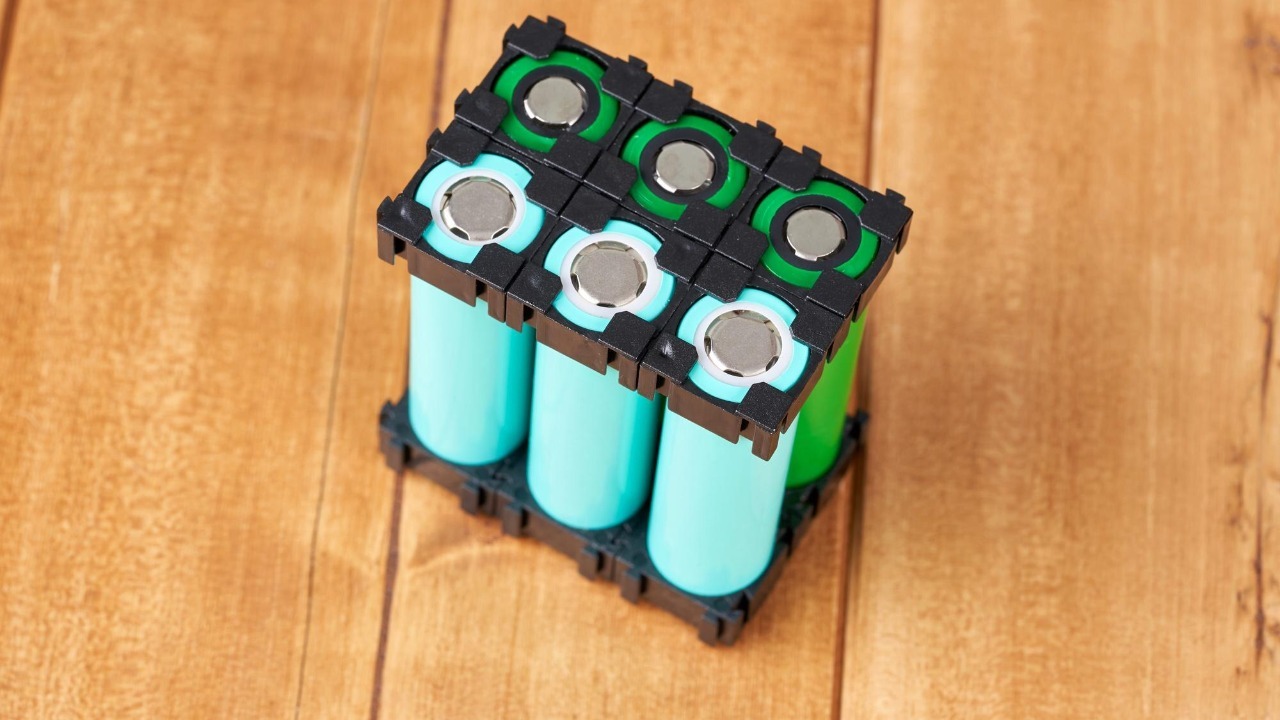

A new generation of lithium-free batteries is beginning to challenge one of the most stubborn limits in electrochemistry, pushing sodium systems into voltage ranges once reserved for premium lithium cells. By pairing cheap, abundant materials with clever chemistry, researchers are edging toward ultra-low-cost storage that could reshape how grids, vehicles, and even heavy industry manage energy. If these designs scale, the most transformative batteries of the next decade may be built not around lithium at all, but around sodium and other overlooked elements.
The stakes are enormous. Lithium-ion technology has underpinned the first wave of electric vehicles and home storage, yet its dependence on constrained minerals and complex supply chains keeps prices volatile and access uneven. A high-voltage, lithium-free alternative that runs on widely available resources would not just trim costs, it would redraw the map of who can build and own the energy systems of the future.
Breaking the sodium voltage barrier
The most striking development is that sodium batteries, long dismissed as low-voltage workhorses, have now crossed a critical threshold into high-voltage territory. Researchers have demonstrated a lithium-free cell that uses metallic sodium as the anode and elemental components in the cathode, achieving operating voltages that begin to rival mainstream lithium-ion designs while relying on far cheaper feedstocks. In practical terms, this means sodium chemistry is no longer confined to niche, low-density roles and can start to compete directly in applications where every extra volt translates into smaller, lighter, and more efficient packs, as documented in recent work on advanced sodium batteries.
This voltage leap matters because sodium cells have always had one big advantage and one big handicap. The advantage is elemental: sodium is vastly more abundant than lithium and can be sourced from common salts, which keeps raw material costs low and reduces geopolitical risk. The handicap has been electrochemical, with lower voltages and energy densities limiting their usefulness in compact formats. By showing that a carefully engineered sodium system can operate at higher voltages without lithium, researchers are effectively rewriting that trade-off and opening a path toward grid-scale storage that is both inexpensive and technically competitive.
From soaring lithium prices to sodium opportunity
The timing of this sodium breakthrough is not accidental. Lithium Carbonate Prices Soar has become a shorthand for the volatility that has plagued the lithium market, with futures spiking and retreating in ways that make long term planning difficult for manufacturers and utilities. In early Feb, industry watchers were already pointing to a coming wave of alternatives, noting that Sodium and related chemistries were poised to benefit as Batteries Set to Explode in 2026 in both capacity and deployment, a trend highlighted in social media posts tracking how Lithium Carbonate Prices.
At the same time, the broader electric mobility ecosystem is churning with new information and prototypes, with platforms like EV World’s SEARCH RSSTREAM surfacing 48 New Postings In Past 24 Hours that track everything from incremental cell improvements to radical chemistry shifts. That constant flow of updates, captured in feeds such as RSSTREAM, underscores how quickly the industry is reassessing its dependence on lithium. For investors and policymakers, the combination of price spikes and technical progress in sodium systems is turning what once looked like a distant research project into a near term hedge against lithium’s boom and bust cycle.
Ultra-cheap storage beyond lithium: sodium, sulfur and sand
Cost is where lithium-free chemistries begin to look truly disruptive. One of the most promising directions pairs sodium with sulfur, creating sodium-sulphur cells that use molten salt processed from seawater as the active material. Researchers have reported that a novel sodium-sulphur battery can deliver up to four times the capacity of conventional lithium-ion batteries while relying on ingredients that are both abundant and inexpensive. Because the sodium-sulphur mixture can be derived from seawater, the approach sidesteps the mining bottlenecks that constrain lithium and cobalt, making it a compelling candidate for large stationary systems, as shown in work on a sodium-sulphur battery with four times the capacity of lithium-ion cells.
Other innovators are pushing the idea of ultra-cheap storage even further by questioning whether electrochemical batteries are always necessary at all. In Jan, Finland has launched the world’s largest sand battery, a massive thermal storage system that heats and stores sand so it can release energy as heat for months at a time. The project, which uses simple resistive heaters and insulated silos, shows how low tech materials can deliver high impact resilience for district heating networks, as described in reports on Finland and its sand battery. According to Helsinki Times, Finnish company Polar Night Energy has already deployed such a system in the town of Kankaanpää, cutting reliance on fossil fuels and biomass by storing surplus renewable electricity as heat, a milestone chronicled in coverage that notes how According to Helsinki Times, Finnish firm Polar Night Energy is leading this effort.
How incumbents are repositioning around cheaper chemistries
Incumbent battery and vehicle makers are not standing still as sodium and other low cost options mature. Tesla, which built its brand on high performance lithium-ion packs, is already shifting its strategy toward cheaper chemistries for mass market vehicles and stationary storage. The company’s own materials highlight how it is expanding production of lithium iron phosphate, or LFP, cells that trade some energy density for lower cost and longer cycle life, a pivot reflected in product information on Tesla. In parallel, community discussions have flagged that Tesla is moving to in-house LFP battery production in what has been described as a stunning strategic shift, with enthusiasts noting that LFP is becoming central to its cost reduction roadmap.
Price signals are reinforcing that pivot. Analysts tracking pack costs have pointed out that the cost of lithiumion phosphate batteries has plummeted, with some commentary describing a “$99 battery shock” as LFP approaches double digit dollars per kilowatt hour at the cell level. That drop, captured in detailed breakdowns of how manufacturing scale and materials sourcing are driving down prices, is documented in videos that dissect why Dec brought such dramatic cost news. For automakers, cheaper LFP narrows the immediate economic gap that sodium must close, but it also normalizes the idea that not every battery needs to chase maximum range. That mindset shift makes it easier to imagine sodium and other lithium-free chemistries taking over segments where cost and durability matter more than compact size.
Design challenges and the road to practical deployment
Even with the voltage barrier broken, sodium batteries still face design constraints that will shape where they can compete. Although sodium shares many chemical similarities with lithium, its larger ionic radius and different electrochemical behavior limit how closely engineers can copy lithium-ion blueprints. Analysts have noted that this limits the design of the batteries themselves, forcing researchers to rethink electrode structures, electrolytes, and packaging rather than simply swapping one alkali metal for another. That reality is spelled out in technical discussions of how Although sodium batteries offer major benefits as a replacement, they require bespoke architectures, as Tapia and others have argued.
Parallel work on lithium-sulfur systems hints at how alternative chemistries can overcome similar hurdles. In those cells, the cathode material utilizes sulfur, which is widely available and inexpensive, thereby decreasing the cost of the batteries and reducing dependence on transition metals like cobalt and nickel. Researchers have had to solve issues like polysulfide shuttling and volume expansion, but the payoff is a design that dramatically cuts raw material costs while boosting theoretical energy density, as detailed in studies of lithium-sulfur batteries. I see a similar pattern emerging in sodium research, where the most successful designs will likely be those that embrace sodium’s quirks rather than fight them.
More from Morning Overview