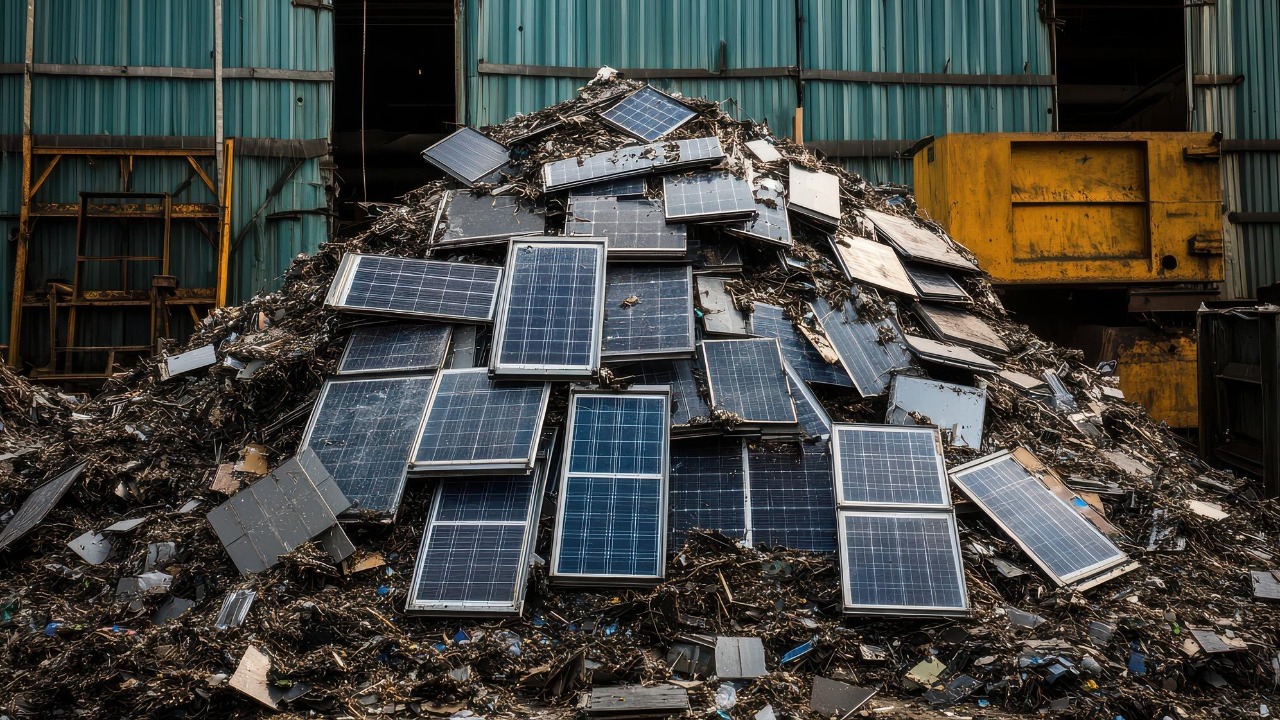

Arguments about clean energy have shifted from smokestacks to trash heaps. Critics now warn that worn out solar panels and wind turbine blades will choke landfills, turning today’s climate solution into tomorrow’s waste crisis. The data tell a different story: the real environmental burden still comes from the coal and gas infrastructure that wind and solar are steadily replacing, not from the relatively modest, manageable hardware that delivers renewable power.
To understand what is at stake, I look at the full system, not just a pile of broken panels in a photo. When I compare the waste, air pollution and climate damage avoided by renewables with the physical materials they eventually send to disposal or recycling, the balance is overwhelmingly in favor of wind and solar. The panic is loud, but the reality is that these technologies wipe out far more harm than they create.
Why landfill photos mislead more than they inform
The most viral images in this debate are not graphs of emissions, they are drone shots of a few hundred discarded blades or panels stacked in a field. Those pictures are powerful because they are visible and concrete, while the pollution from coal and gas is diffuse and largely invisible. As one detailed analysis of wind and solar waste notes, Visibility is often mistaken for scale, and the landfill argument is fundamentally a claim about mass, not about the broader system impacts of energy choices.
When I put those images next to the numbers, the imbalance is stark. Work on renewable waste shows that Solar and wind produce less waste than coal for the same electricity, even before recycling is fully built out. Another assessment of renewables’ impacts stresses that these materials are inert, contained and managed within engineered waste systems at end of life, while Coal and natural gas systems operate by continuously emitting pollution into the air and water. Focusing on a single landfill snapshot, rather than the decades of combustion that renewables displace, uses the wrong metric for environmental harm.
What the numbers say about solar and wind waste
Once I zoom out from the photos, the scale of renewable hardware waste looks far less dramatic. Detailed work on how much waste solar panels and turbines generate concludes that Solar and wind produce less waste than coal per unit of electricity, and that future design and recycling improvements can push that gap even wider. A separate analysis of solar farm decommissioning, posted by Posted byAPA Policy November, draws on Researchers at Columbia University Law Sc to show that even in aggressive build out scenarios, panel waste would remain a small fraction of total landfill capacity.
Fact checking of common talking points has reached similar conclusions. One investigation framed the issue bluntly as, Will worn out solar panels overwhelm dumps with waste, and found that Improved standards for solar panels and wind turbine design, along with emerging recycling, sharply limit that risk. Another explainer on solar growth in the United States noted that sensational claims about a “tsunami” of green energy trash ignore the relatively long lifespans of panels and turbines and the fact that recycling methods already exist for the end of their lives, a point echoed in coverage shared by The headline of this February 2020 article.
Recycling is turning “end of life” into a new industry
Landfill panic also tends to freeze technology in time, as if today’s disposal practices will never change. In reality, recycling is rapidly becoming a business in its own right. One assessment of the sector describes how Recycling end of life solar panels and wind turbines is emerging as a major climate tech opportunity, even though it is still cheaper in many places to landfill them than to recycle them. As the Biden administration pushes for more renewable deployment, that same reporting notes that policy and scale are starting to flip the economics in favor of recovering glass, metals and rare materials instead of burying them.
Policy analysis of solar waste, including work cited by Policy November and Heather Mirletz et al., points out that clear rules for producer responsibility and material standards can accelerate that shift. A separate fact check that framed the question as whether worn out panels will overwhelm dumps concluded that Improved standards and recycling infrastructure mean communities will not simply be left to deal with disposal on their own. In other words, the waste stream that critics highlight is already being treated as a resource stream by regulators and companies.
What wind and solar actually displace in the real world
The most important piece missing from landfill panic is what wind and solar prevent from ever entering the environment. One recent analysis of system wide impacts stresses that Climate change and air pollution scale with every unit of fossil electricity generated and compound over time. As wind and solar continue to replace coal and gas on the grid, the analysis concludes that they are absurdly better in every respect, even after accounting for the materials that eventually reach landfills. That same work draws on a poll of public attitudes to show how easily people underestimate the ongoing waste streams from fossil fuels compared with the one time disposal of renewable hardware.
The contrast is especially clear in places where renewables have already pushed fossil plants aside. In Texas, for example, a detailed account shared by Duane Bosch the truth is that solar and wind have much, much lower lifecycle environmental impacts than any fossil fueled power plant, and that this is not a matter of opinion but of basic arithmetic that anyone can easily Google or AI. That same post notes that in 2025 Texas achieved a historic milestone when solar power generation surpassed coal fired electricity production on an annual basis within the Electric Reliability Council of Texas grid, which serves about 90 percent of the state’s electricity demand. From January through November, solar farms produced 2.64 million megawatt hours compared to coal’s 2.44 million megawatt hours, even as coal output rose 10 percent, and solar’s share of the ERCOT mix reached 14 percent versus coal’s 13 percent. Every one of those solar megawatt hours avoided new coal ash, mining waste and smokestack emissions that would otherwise have entered the environment.
The harms that do not fit in a landfill photo
To weigh landfill risks honestly, I have to put them next to the harms that never show up in a tidy pile of scrap. Research on Waste landfilling and environmental pollution documents how Landfills have been regarded as leading avenues for emissions of greenhouse gases and toxic substances from the landfills to the air, especially when they handle mixed municipal waste. Yet even that impact is small compared with the climate forcing from ongoing fossil combustion. Work on Greenhouse gases underscores that They cause climate change by trapping heat and also contribute to air pollution, with far ranging environmental and health effects that extend well beyond any single disposal site.
Public health research on the power sector makes the same point in human terms. A report on electric vehicles notes that Furthermore, the transition away from burning harmful fossil fuels in the power sector to non combustion renewable energy, including wind and solar, will reduce the health harms caused by emissions generated at fossil fueled power plants. Sustainable engineering research frames this as part of a broader shift, noting that This field addresses the urgent need to transition away from fossil fuels, which are finite and contribute to environmental degradation, toward energy sources like solar and wind power. Even in other renewables such as geothermal, engineers are working on corrosion problems in wells because, as one technical overview puts it, Ultimately the result could bring about long awaited progress and help end our reliance on fossil fuels.
More from Morning Overview