
Iran’s latest wave of unrest is not only about inflation, repression, or factional politics. It is about people who can no longer drink clean Water, breathe safely, or trust that the taps will run tomorrow. As lakes vanish and toxic smog blankets cities, environmental breakdown is colliding with long‑simmering grievances and turning daily survival into a political act.
From dried‑out riverbeds in Isfahan to hazardous air in Tehran, the country’s ecological emergencies are converging with anger over corruption and brutality. I see the current protests as the moment when climate stress, failed governance, and demands for basic rights have fused into a single, volatile crisis.
The spark: water, blackout and a system at breaking point
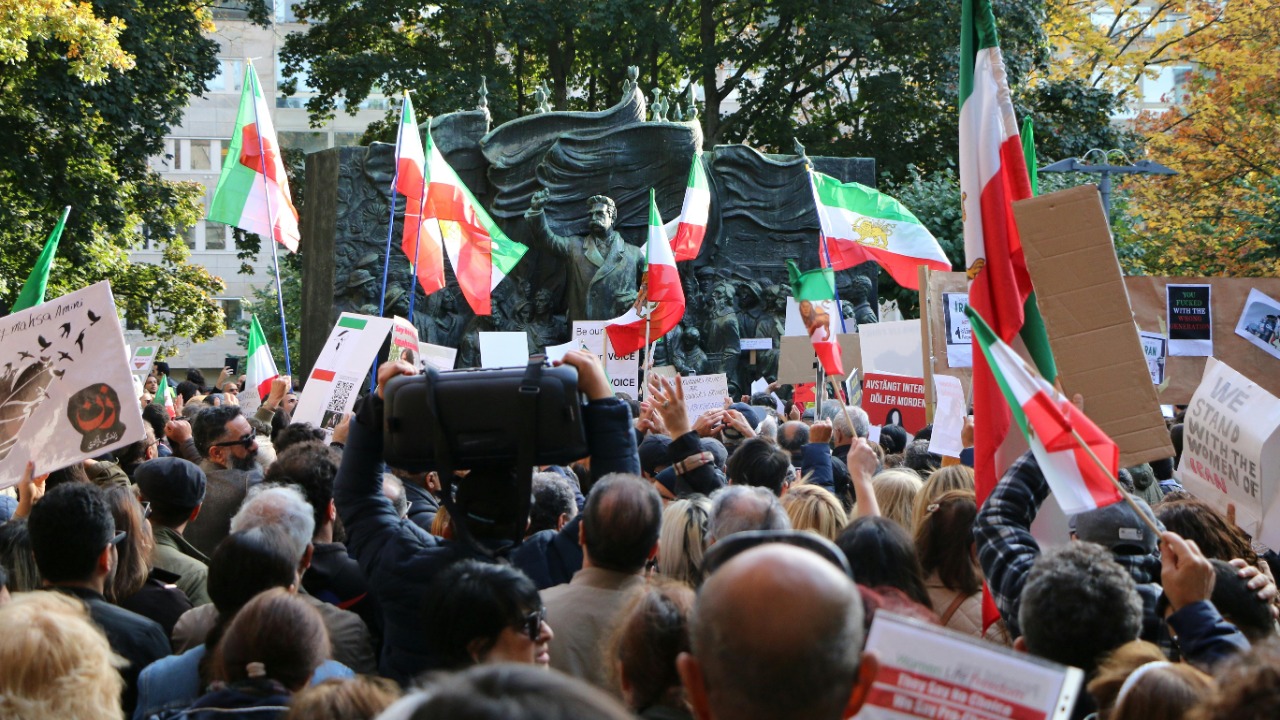
The latest nationwide demonstrations did not emerge from a vacuum. According to detailed accounts, protests erupted in Iran on 28 December 2025 after a sharp rise in fuel prices and deepening hardship, then quickly spread across multiple cities in Iran as people denounced corruption, repression, and economic collapse. Rights groups describe how security forces, including uniformed officers as well as plain‑clothes agents, responded with lethal force, turning what began as scattered rallies into one of the deadliest crackdowns in modern Iranian history, as documented in What. By early January, authorities had imposed an extensive internet shutdown, making it difficult for families to communicate and for the outside world to verify what was happening on the ground, a blackout highlighted in Given the.
Behind the immediate trigger, however, lies a longer arc of environmental decline that has pushed communities to the edge. The 2025 Iran water crisis refers to a severe escalation of Iran’s long-standing water management problems, culminating in the 2025 Iran water crisis protests where demonstrators insisted that access to water is “life – our basic right,” a demand captured in Iran. When I look at the pattern, I see a population that has endured years of shortages, blackouts, and toxic air, and that now views environmental collapse not as an abstract climate story but as proof that the state can no longer provide the minimum conditions for a dignified life.
Where protests burn hottest, the air is most toxic and taps run dry
One striking feature of this unrest is geographic. Iran’s biggest centres of protest are also experiencing extreme pollution and water shortages, a convergence that researchers like Nima Shokri, writing in The Conversation, have linked to the country facing water bankruptcy and rising social tension, as explored in Iran. In provinces such as Tehran, Khuzestan in the south‑west and Isfahan in central Iran, all areas with large populations and strategic industries, Water shortages and protest now overlap, turning disputes over irrigation canals and river diversions into flashpoints for broader anger, a pattern detailed under Water. When farmers in Isfahan see the Zayandeh Rud reduced to a dusty trench while nearby steel plants keep operating, the sense of injustice is immediate and visceral.
Urban residents are facing a different but related assault on their health. Air quality has deteriorated to levels officials can no longer downplay, with Tehran recording only six “clean air” days all year, a stark figure cited in Air. I see that statistic as more than a data point; it means parents keeping children indoors for weeks, workers commuting through smog that stings their lungs, and a daily reminder that the state’s choices on fuel, industry, and transport are literally in the air they breathe. When those same residents then endure rolling blackouts meant to conserve foreign currency and manage failing infrastructure, the line between environmental mismanagement and economic crisis blurs into a single lived reality.
Decades of depletion and the silencing of experts
The roots of this environmental emergency stretch back over decades of water depletion, dam building and repression of scientists and environmentalists, a trajectory traced in Source. Large dams and diversion projects were promoted as symbols of progress, yet they often ignored local hydrology and climate trends, draining aquifers and shrinking wetlands, including sites recognized as a UNESCO World Heritage site. When I talk to hydrologists and ecologists, they describe a pattern in which warnings about over‑extraction and salinization were sidelined in favor of short‑term political gains, leaving rural communities to cope with dust storms, crop failures, and the slow death of once‑fertile plains.
At the same time, the space for independent environmental advocacy has narrowed. Experts who raised alarms about vanishing lakes or illegal wells have faced surveillance, arrest, or smear campaigns, creating a chilling effect that undermines evidence‑based policy. Environmental crises add to Iran’s mounting troubles because almost all the country’s water is claimed by agriculture, industry, and cities, leaving little flexibility when drought hits and fueling protests over the last year, as outlined under Environmental. When almost every drop is already spoken for, any new shortage becomes a zero‑sum conflict, and in that context, silencing scientists is not just an attack on civil society, it is a direct threat to national stability.
Repression, casualties and a narrative of foreign blame
As demonstrations spread, the state’s response has been both brutal and defensive. Beginning on 28 December 2025, the 2025–2026 Iranian protests erupted across multiple cities in Iran amid nationwide anger, and security forces used live ammunition, mass arrests, and intimidation to regain control, a sequence summarized in Beginning. On that same day, the Iranian Human Rights Organization said that over 3000 protesters were killed, with over 10,000 being arrested, figures that convey the scale of the crackdown and are reported in Iranian Human Rights. I read those numbers as a grim indicator of how far authorities are willing to go to prevent environmental anger from hardening into a sustained challenge to their rule.
Officials have tried to frame the unrest as the work of outside enemies rather than a response to domestic failures. The government has accused the United States and Israel of fuelling the protests, a claim that analysts suggest may be a tactic to justify harsher security measures and deflect responsibility for mismanagement, as noted under United States and. Yet even as state media pushes this narrative, the grievances voiced in videos and testimonies focus on unpaid wages, poisoned air, and empty reservoirs. When I weigh these competing stories, the environmental evidence on the ground makes it hard to see the protests as anything other than a homegrown reckoning with years of neglect.
From ecological crisis to political tipping point
What makes this moment different is how deeply environmental stress has penetrated everyday life. Iran’s protests are often framed as economic, political or ideological. Yet a deeper ecological crisis is eroding the fabric of society, with water shortages, blackouts and air pollution turning routine tasks into daily gambles, a dynamic described in Yet. Poll-based research cited in coverage of these protests suggests that environmental concerns now rank alongside jobs and political freedoms in shaping public anger, a shift reflected in analyses that reference a nationwide poll of attitudes toward water and pollution, as mentioned in Iran. When I listen to protesters’ slogans, I hear less about abstract ideology and more about the right to breathe and to farm.
At the same time, water tensions are escalating in border regions, where scarcity is spilling into local and ethnic clashes and raising the risk of wider instability, a trend flagged in Water. Another poll-based analysis of how environmental damage fuelled Iran’s protests underscores that these grievances do not paint the entire picture but are central to understanding why demonstrations have spread so widely, as discussed under Tehran. When I connect these dots, I see a regime that has survived war and sanctions now confronting a slower, more pervasive threat: an ecological unravelling that no amount of censorship or force can fully contain.
More from Morning Overview