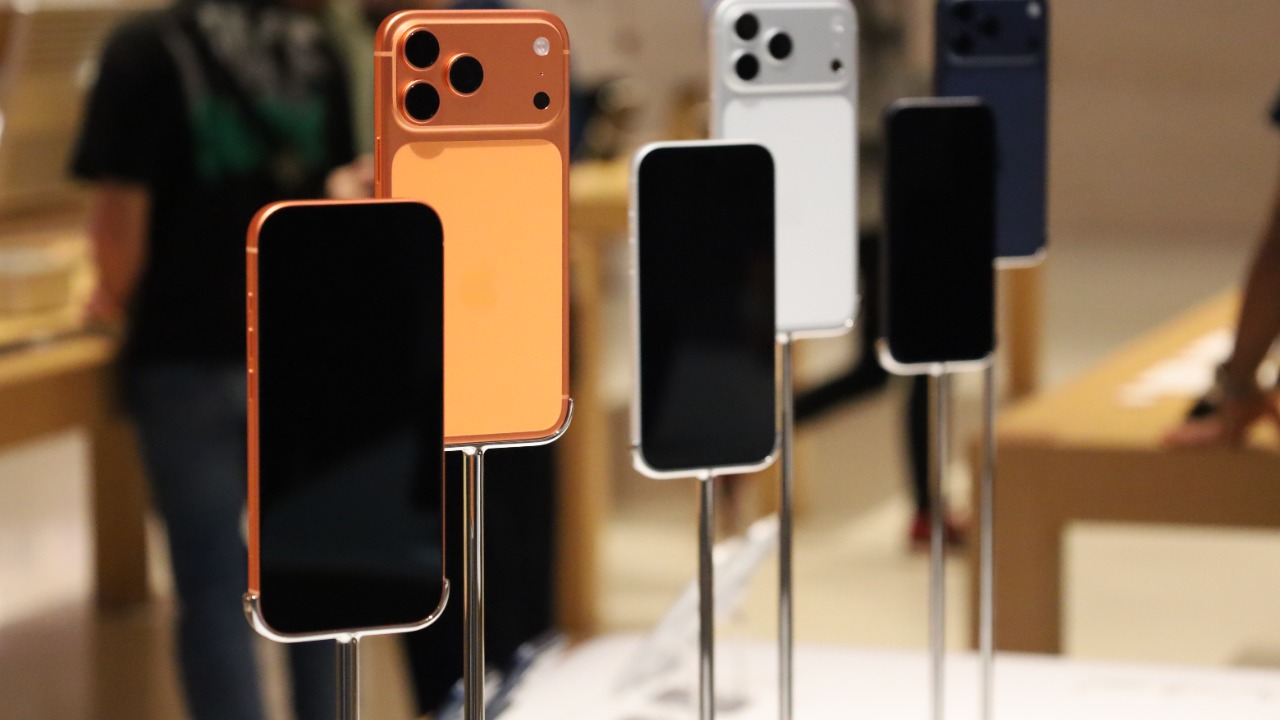

The iPhone 17 Pro Max and Galaxy Z Fold 7 represent two very different visions of what a 2025 flagship should be: one a refined slab with maximal camera and battery upgrades, the other a tablet-class foldable that tries to replace your phone and small laptop at once. For buyers weighing an upgrade, the real question is not which spec sheet looks better, but which design philosophy fits daily life, from gaming and photography to multitasking and media.
I will walk through how each device handles core tasks like durability, performance, cameras and audio, then fold in what early buyers and power users are already saying about living with both. By the end, the trade-offs between a giant traditional phone and a cutting-edge foldable should be clear enough that you can decide which compromise you are willing to make.
Release timing, positioning and who each phone is for
Apple framed the iPhone 17 Pro Max as the latest evolution of its classic high-end phone, introduced alongside the smaller Pro earlier in September, with the company highlighting that both models share the same core design and features. The larger Pro Max is aimed squarely at users who want the best cameras, the biggest screen and the longest battery life Apple can fit into a slab, and it sits at the top of the iOS ecosystem for people who already own AirPods, Apple Watch and iPad. Phone spec listings confirm that the iPhone 17 Pro Max was Released on Sep 19, 2025, which means it arrived late in the upgrade cycle for many iPhone 14 and 15 owners who were waiting for a more substantial jump.
Samsung, by contrast, positioned the Galaxy Z Fold 7 as the latest iteration of its book-style foldable line, with pre-orders opening on July 9 and Shipping beginning on July 25, according to detailed launch coverage that notes pre-orders, or Pre orders, started earlier in the summer. Carrier information indicates that T-Mobile, referred to simply as Mobile, is expected to be generous with Galaxy Z Fold 7 deals, especially with a trade in and eligible plan, which makes the Fold more accessible to enthusiasts who might otherwise balk at its premium price. In practice, that means the Fold 7 has been in pockets for months longer than the iPhone 17 Pro Max, and early adopters are already sharing how the big inner display and multitasking shape their routines.
Design, durability and how each phone feels in the hand
On the design front, Apple stayed conservative, refining the Pro Max chassis rather than reinventing it. The company introduced a new Ceramic Shield 2 front cover and highlighted that Ceramic Shield now offers 3x better scratch resistance, and for the first time Ceramic is used on the back as well, which should help the 6.9-inch panel survive pockets and bags without a screen protector. A detailed spec sheet lists the display size as exactly 6.9-inch, and while that makes the Pro Max a large phone, it is still a single slab that many users can manage one handed with a case that adds grip.
The Galaxy Z Fold 7, by design, is thicker and heavier, since it has to house both a cover screen and a tablet-like inner display that folds in half. Shopping listings that aggregate multiple retailers treat the Fold 7 as a premium product, and the hinge has been refined again to feel smoother and more solid in daily use. Owners on enthusiast forums describe the Fold 7 as a device they love but also one they have to think about when slipping into jeans or using on the go, with one Reddit user noting that the Fold form factor is not always easier for one hand use compared with an Iphone 17 Pro Max.
Displays and everyday usability: slab versus foldable
For most people, the screen is the phone, and here the two devices diverge sharply. The iPhone 17 Pro Max leans into a single expansive panel, with the 6.9-inch display giving you more room for apps, games and video without changing how you hold or pocket the device, and spec sheets confirm the resolution at 2868x1320px along with a Triple camera array on the back. That combination makes the Pro Max feel like a familiar big phone, ideal for people who want a straightforward upgrade path from earlier large iPhones without learning new gestures or worrying about crease lines.
The Galaxy Z Fold 7, in contrast, is built around the idea that you will use the tall outer screen for quick tasks and then open the inner display when you need more room. Coverage of the launch notes that the Samsung Galaxy Z Fold 7 starts at a high price but offers a tablet-like experience once unfolded, and that the Fold line continues to refine its aspect ratios so the cover screen feels less cramped. On Overclockers UK, a user named Demon describes the Fold 7’s screen as “ridiculous” in a good way, capturing the appeal of having a mini tablet in your pocket, but also admits to a tug between that curiosity and the muscle memory of a traditional phone.
Performance, heat and battery life
Under the hood, Apple is leaning on its latest Pro-class silicon to keep the iPhone 17 Pro Max fast and cool. A detailed roundup explains that the iPhone 17 Pro and Pro Max were Introduced in September 2025 and use the A19 Pro chip, which is designed to deliver higher performance per watt for gaming and camera processing. The same spec sheet that lists the 6.9-inch display also notes a 5088 mAh battery and 12GB of RAM with a base storage of 256 GB, and that combination, along with Apple’s software tuning, is meant to deliver what the company calls the best battery life in an iPhone.
Real world impressions from Galaxy Fold owners suggest that the iPhone’s thermal management is a selling point for gamers. In a discussion comparing Fold 7 and iPhone 17 Pro Max, one Reddit user argues that the Max has better cameras and better heat dissipation, making it better for gaming sessions that would otherwise warm up a foldable’s inner display. On the Fold 7 side, launch coverage notes that the device uses a flagship Snapdragon platform and that Galaxy Z Fold 7 buyers can expect strong performance, but the larger inner screen and multitasking can tax the battery more quickly than a single-panel phone when you push it hard.
Cameras and photography priorities
Photography is one of the clearest areas where buyers are already drawing distinctions between the two devices. Enthusiast commentary on Reddit is blunt that the iPhone 17 Pro Max has better cameras, and the spec sheet backs that up with a triple camera system that is tuned for consistency across lenses. Apple itself emphasizes that both iPhone 17 Pro models share the same camera hardware and software features, and that the larger Pro Max simply gives those cameras more room to breathe with its bigger battery and display.
The Galaxy Z Fold 7, however, is not trying to win every camera comparison outright, instead it leans on flexibility. Launch coverage explains that the Fold 7’s camera array has been upgraded again, but the real advantage is being able to use the inner display as a giant viewfinder or prop the device in laptop mode for hands free shots, something a slab phone cannot match. A Reddit user who has been switching between galaxy fold 7 and iPhone 17 pro max notes that they love the Fold but still struggle with the transition, which hints at how camera use is tied to the broader ergonomics of each device rather than just sensor specs.
Audio, media and gaming experiences
For media and gaming, both phones are powerful, but they cater to different priorities. An in depth comparison for audiophiles notes that After a month with both smartphones, the reviewer still cannot pick a clear winner, but praises the iPhone 17 Pro for its tight integration with AirPods and spatial audio. That same piece suggests that if you live in Apple’s audio ecosystem, you will probably want the iPhone 17 Pro, and by extension the Pro Max, for the most seamless experience.
Fold owners, meanwhile, often highlight the sheer immersion of watching video or playing games on the inner display. On Reddit, one user comparing Z Fold 7 vs iPhone 17 Pro Max for an upgrade points out that faceID is better and the speakers on the iPhone are “incomparable and so much better,” yet they still wrestle with the Fold’s appeal for multitasking and media. That tension captures the trade off: the iPhone 17 Pro Max gives you arguably better speakers and more consistent audio accessories, while the Fold 7 gives you a bigger canvas for Netflix, Xbox Cloud Gaming or reading comics, at the cost of bulk and some compromises in speaker tuning.
Software ecosystems and multitasking
Software is where the philosophical split between these devices becomes most obvious. The iPhone 17 Pro Max runs the latest version of iOS with the same interface as the smaller Pro, and a detailed roundup framed under the question Should You Buy the iPhone 17 Pro explains that Apple is focusing on incremental improvements like better widgets, smarter camera features and deeper integration with services like iCloud and Apple Music. For many users, that stability is a feature, not a bug, especially if they are already invested in Apple Watch, HomeKit or CarPlay.
Samsung’s Galaxy Z Fold 7, on the other hand, is built around multitasking and windowed apps, with the inner display encouraging you to run two or three apps side by side. Launch coverage of the Fold 7 highlights software tweaks that make it easier to drag and drop content between apps and to use the taskbar for quick switching, which is closer to a small laptop than a phone. Some Fold owners on Reddit admit that they “even tried to go back” to a regular phone but found they missed the multitasking too much, while others, like the user who said “I need to as well” when considering a switch, show that the learning curve and occasional app quirks can still push people back toward the simplicity of iOS.
Real world user sentiment and switching pain
Beyond specs, the most telling data points come from people who have lived with both devices. On Overclockers UK, the thread titled “iPhone 17 Pro Max or Samsung Fold 7?” captures that tug of war, with Nov 3, 2025 posts from users like Demon describing how the Fold’s inner screen makes them wish they had more room on a regular phone, yet they still hesitate to abandon the familiarity of iOS. That kind of anecdote underlines how much of this decision is about habit and comfort, not just hardware.
On Reddit, a user who starts by saying “I want to start by saying I love this phone BUT” in a thread about Nov 6, 2025 struggles with switching from Galaxy Fold 7 to iPhone 17 Pro Max every day, highlighting how each device solves different problems. Another thread from Sep 18, 2025 reinforces that faceID and speakers are better on the iPhone, but the Fold’s multitasking and screen real estate are hard to give up. Taken together, these voices suggest that neither phone is a slam dunk upgrade for everyone, and that switching ecosystems or form factors comes with real friction.
Pricing, availability and how people are actually buying
Pricing for both devices sits at the top of the smartphone market, but the way people shop for them is increasingly shaped by online tools and carrier deals. Google’s Shopping Graph, described as a system that connects Product information aggregated from brands, stores and other content providers, powers many of the comparison widgets you see when you search for either phone, surfacing different storage tiers, colors and trade in offers. That same infrastructure underpins the Google Shopping listings that treat the iPhone 17 Pro Max as a premium product with multiple retailers competing on price.
Similar listings show the Galaxy Z Fold 7 as a high end product, and carrier pages emphasize that with the right trade in and plan, the effective monthly cost can be closer to a standard flagship. Additional Google Shopping entries for the iPhone 17 Pro Max, such as another product card, and for the Fold 7, such as a parallel product listing, show how buyers can quickly compare configurations and discounts.
How to choose between iPhone 17 Pro Max and Galaxy Z Fold 7 in 2025
When I weigh all of this, the choice between iPhone 17 Pro Max and Galaxy Z Fold 7 in 2025 comes down to whether you value reliability and ecosystem fit more than experimentation and multitasking. If you want the best cameras, better heat dissipation for gaming, stronger speakers and the simplicity of a single large screen, the evidence from spec sheets and user reports points toward the iPhone 17 Pro Max, which is framed in listings as a flagship product with a long support window. The A19 Pro chip, Ceramic Shield 2 and 5088 mAh battery, combined with features like faceID and tight AirPods integration, make it the safer bet for most people who already live in Apple’s world.
If, however, you are drawn to the idea of a pocketable tablet that can run three apps at once, and you are willing to accept extra bulk and some software quirks, the Galaxy Z Fold 7 remains uniquely compelling. Google Shopping entries that treat the Fold 7 as a high end product, combined with carrier deals and the multitasking praise from long time Fold users, show that there is a real audience for Samsung’s vision. In the end, both phones are excellent, but they answer different questions: the iPhone 17 Pro Max asks how far a traditional phone can go, while the Galaxy Z Fold 7 asks how much of your laptop you are ready to leave at home.
More from MorningOverview