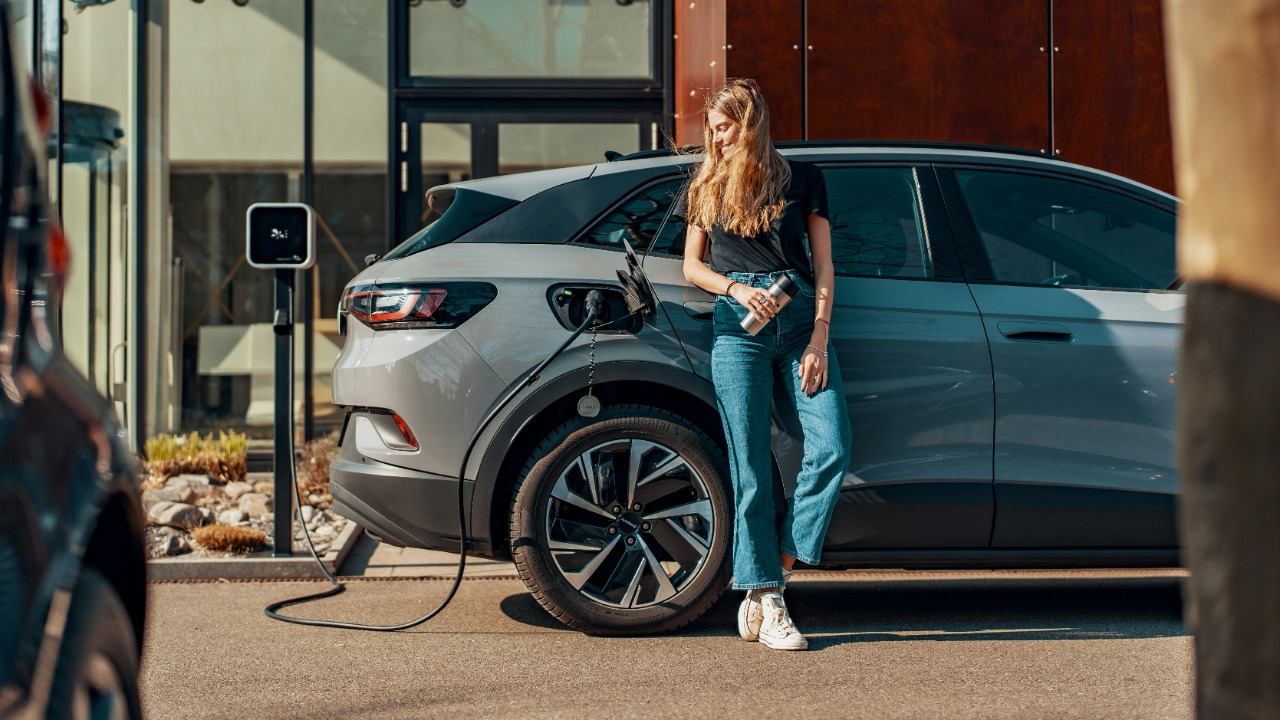

Ionna has moved from concept to concrete hardware at a pace that is starting to reshape expectations for public fast charging in the United States. The joint venture’s early stations are already live, new sites are stacking up, and the network’s design choices signal a deliberate attempt to fix the pain points that have dogged first‑generation chargers.
Instead of slowing after an initial splash, Ionna is layering new locations, software features, and customer support into a rollout that looks more like a sustained buildout than a pilot phase, and the early evidence from drivers and reviewers suggests the momentum is real rather than marketing.
From automaker JV to visible hardware on the ground
Ionna began as a promise from major automakers to build a high‑quality fast‑charging network, but it is now showing up as real equipment in parking lots and along highways. The company’s own site lays out a vision of “reliable, convenient, and accessible” high‑power charging, with a focus on stations that feel more like modern fuel stops than bare concrete pads, and that positioning is already visible in the branding, canopy designs, and multi‑stall layouts described on the official network overview.
That transition from concept to concrete is especially clear in California, where detailed coverage of Ionna’s early buildout tracks specific sites, charger counts, and power levels, underscoring that this is no longer a paper network. Reporting on the company’s California expansion highlights how quickly the joint venture has moved from announcements to operational stations, with multiple locations already serving drivers and more in various stages of permitting and construction.
California as the proving ground for scale
California is emerging as Ionna’s first real stress test, and the company is leaning into that challenge rather than tiptoeing around it. The state’s dense EV population, crowded corridors, and history of unreliable third‑party chargers create a high bar for uptime and throughput, which is why the early focus on multi‑charger sites and high‑power hardware along key routes is so significant in the documented buildout pattern.
By prioritizing locations that serve both daily commuters and long‑distance travelers, Ionna is effectively using California as a live laboratory for its operating model, from site design to maintenance response. The same reporting that tracks new stations also notes how quickly additional sites are entering the pipeline, suggesting that the company is not waiting to see how one or two locations perform before committing to the next wave of construction, but instead is treating the state as a launchpad for a much larger footprint.
Designing stations around driver experience, not just kilowatts
What sets Ionna apart in its early rollout is the emphasis on the overall charging experience rather than raw power figures alone. The company’s public materials describe stations with weather protection, clear lighting, and amenities that make a 20‑ to 30‑minute stop feel less like a chore, and that focus on comfort and usability is baked into the layouts and visual identity showcased on the main Ionna platform.
Independent reviewers who have visited early sites are picking up on the same theme, pointing to details like intuitive cable management, easy‑to‑read screens, and thoughtful traffic flow that reduces congestion. In one detailed walk‑through of a new location, a reviewer highlights how the stalls are arranged to accommodate a range of vehicle sizes and charge‑port placements, reinforcing the idea that these stations are being engineered around real‑world EVs rather than idealized spec sheets, as seen in the on‑site tour shared in this station review.
Early user feedback: reliability, speed, and the “Rechargery” concept
For any new charging network, the most telling verdict comes from drivers who plug in with no brand loyalty and plenty of past frustration. Early Ionna users are already sharing detailed impressions of the company’s “Rechargery” branded sites, and the tone of those reports is notably focused on reliability and ease of use rather than workarounds or glitches. One in‑depth Rechargery review from an EV owner walks through the full experience, from pulling into the lot to initiating a session and monitoring charge speed, and emphasizes how straightforward the process feels compared with some legacy networks.
Video reviewers echo that sentiment, often zeroing in on whether the chargers simply work on the first try and deliver the advertised power without repeated restarts. In a widely shared visit to an Ionna site, a creator documents session start times, peak kilowatt figures, and stall availability, using those metrics to argue that the network is already competitive with the best public options available today, a point underscored in the detailed testing captured in this charging session demo.
Why Ionna is launching without a dedicated app
One of the most unusual choices in Ionna’s rollout is the decision to operate without a standalone consumer app, at least in the early phase. Instead of pushing drivers toward yet another login and payment ecosystem, the company is leaning on plug‑and‑charge capability and integration with existing vehicle systems, a strategy that aims to make the charging process feel as close as possible to simply refueling a gasoline car. That philosophy is spelled out in community discussions where Ionna’s approach is dissected in detail, including a thread that explains how the network is prioritizing seamless authentication over app‑centric control, as described in this discussion of the no‑app strategy.
For drivers used to managing charging through dedicated apps, this may feel like a departure, but it aligns with the broader push from automakers to embed charging into the vehicle’s native software. By tying access and billing to the car itself, Ionna is betting that fewer moving parts will translate into fewer points of failure, and that the network can still support features like session history and pricing transparency through in‑car interfaces and web tools rather than a separate mobile download.
Support, uptime, and the fight against “broken charger” fatigue
Reliability has been the Achilles’ heel of many early fast‑charging networks, and Ionna is clearly trying to address that problem head‑on. The company’s support portal lays out multiple ways for drivers to get help, including phone assistance and online troubleshooting, and emphasizes rapid response to out‑of‑service equipment, a commitment spelled out in the customer resources on the official support page.
Reviewers who have stress‑tested the network are already probing how that support structure holds up in the real world, paying close attention to error handling, station monitoring, and the speed of on‑site fixes. In one detailed video, a creator intentionally pushes the chargers through a variety of scenarios, from mid‑session interruptions to vehicle‑side communication quirks, and notes how the system recovers and how quickly help is available, as documented in the hands‑on testing shown in this charger reliability review.
How Ionna stacks up in the broader fast‑charging race
Ionna is not entering an empty field; it is stepping into a fast‑charging landscape already populated by entrenched players and newer upstarts. Industry analysis has framed the joint venture as a serious new competitor, pointing to its automaker backing, focus on high‑power hardware, and ambition to build thousands of stalls across North America, a competitive posture outlined in coverage of a new contender in the charging race.
What differentiates Ionna so far is less about any single technical spec and more about the combination of scale, design, and integration with vehicles that are already on the road. Analysts note that by aligning its rollout with automaker roadmaps and leveraging shared standards, the network can potentially avoid some of the fragmentation that has plagued earlier efforts, positioning it as a credible alternative for drivers who have grown wary of unreliable third‑party chargers and are looking for a network that feels as integrated as the one they use for navigation and over‑the‑air updates.
Real‑world road tests and the importance of consistent performance
Ultimately, the success of Ionna’s rollout will be judged not by press releases but by how it performs on real road trips, and early long‑form reviews are already putting that to the test. In one extended drive, a reviewer strings together multiple Ionna stops to evaluate consistency across locations, tracking factors like stall availability, payment flow, and charge curves from low state of charge to near full, and uses that data to argue that the network is already delivering a level of predictability that many EV owners have been missing, as seen in the trip report documented in this multi‑stop charging review.
Community feedback mirrors that focus on consistency, with drivers comparing notes on whether different sites behave similarly and whether the experience feels standardized from one station to the next. That kind of uniformity is what turns a collection of chargers into a true network, and the early evidence suggests that Ionna is treating each new site as part of a cohesive system rather than a one‑off installation, a pattern that, if it holds, will justify the sense that its rollout is not just continuing but accelerating.
More from MorningOverview