
Recent scientific studies have revealed a fascinating phenomenon: humans emit a faint visible light that diminishes upon death. This biophoton emission, as it’s scientifically known, offers new insight into the mysterious processes that occur at the end of life, opening up potential avenues for research in both medical and forensic sciences.
The Science Behind Human Biophoton Emission
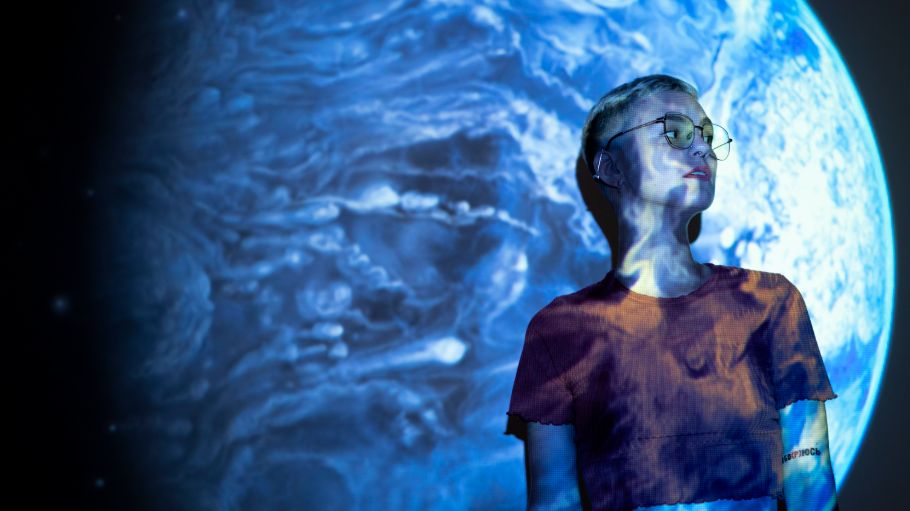
Biophotons are tiny particles of light emitted by living organisms, originating from various cellular processes. Although they are invisible to the naked eye, advanced technologies allow scientists to detect these photons, revealing fascinating insights into our biological systems. In humans, biophoton emission is thought to result from oxidative metabolic processes within our cells.
The mechanisms behind this light emission are deeply rooted in biochemical reactions. As cells undergo oxidative stress, they release free radicals, which interact with cellular components, leading to the emission of light. Researchers have employed sophisticated photon detection equipment to explore these phenomena. The design of these experiments often involves controlled environments that allow for precise measurement of biophoton levels, shedding light on the intricate workings of our bodies.
Implications for Medical Science

Understanding biophoton emission holds promising potential for medical diagnostics. As a non-invasive diagnostic tool, it could revolutionize how health professionals monitor cellular health and detect diseases. By analyzing the levels of biophotons, we can gain insights into cell metabolism and oxidative stress, which are crucial indicators of overall cellular health.
This research also provides valuable insights into the boundary between life and death. Observing changes in biophoton emission allows scientists to better understand the biological processes occurring during the transition from life to death. These findings could significantly enhance our understanding of human biology and the factors that influence cellular vitality.
Forensic and Philosophical Considerations

Biophoton emission could also find applications in forensic science. By analyzing the light emitted from the body, forensic experts might be able to more accurately determine the time of death, providing a new tool for criminal investigations. This approach complements traditional methods, offering a potential breakthrough in forensic methodologies.
Beyond the scientific and practical implications, this discovery invites philosophical and ethical reflections. The notion of a ‘life force’ or ‘aura’ has long been part of human culture and mythology. This scientific finding intersects with these beliefs, prompting us to revisit our understanding of life and death. As we explore the potential applications of biophoton emission, it is important to consider the ethical considerations that accompany such advancements.
