
The rapidity of animal species extinction is a grave concern, currently occurring at a rate 35 times faster than anticipated. This alarming increase is largely due to human intervention, a critical issue that needs to be thoroughly examined and understood.
Understanding Extinction: Natural vs Human-driven

Extinction, the end of an organism or a group of organisms, is a natural occurrence. Over time, species adapt to their environment, but when the environment changes more rapidly than a species can adapt, extinction occurs. This process has been part of Earth’s history, making way for new species to evolve and thrive.
However, human-driven or anthropogenic extinctions are a different matter. These occur when human activities directly or indirectly cause the extinction of species. Sadly, research indicates that the rate of human-driven extinctions is significantly higher than natural extinctions, making species disappear at an unprecedented pace.
The Extent of Today’s Biodiversity Crisis
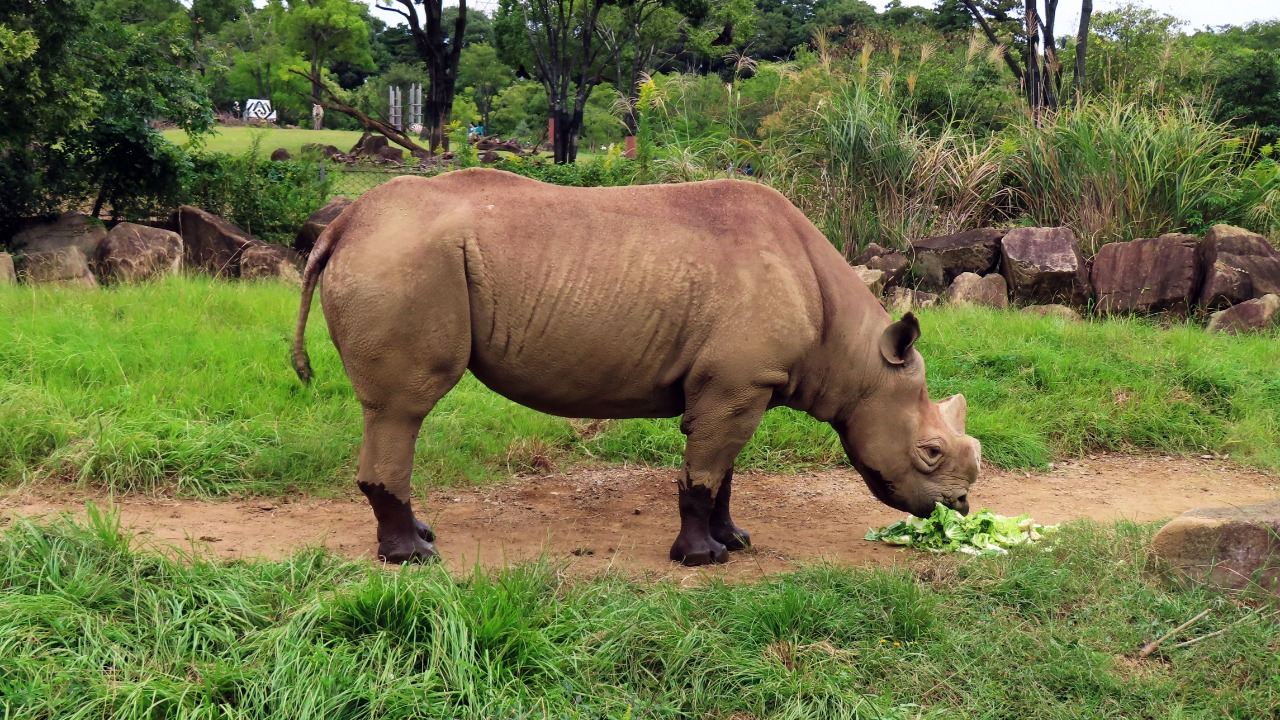
Statistics on the current rate of animal genera loss paint a bleak picture. A multitude of species across the globe, from the Western Black Rhinoceros in Africa to the Caribbean Monk Seal, have recently gone extinct due to human activities. Moreover, we are currently in the midst of what is often referred to as the “Sixth Mass Extinction“, or the Holocene extinction, distinct due to its primarily anthropogenic causes.
Unlike previous extinction events driven by natural phenomena such as asteroid impacts or volcanic eruptions, this ongoing crisis is largely due to human activities. This includes habitat destruction, overexploitation of resources, pollution, climate change, and introduction of invasive species, escalating the overall rate of biodiversity loss.
Case Studies: Human Activities Leading to Extinctions
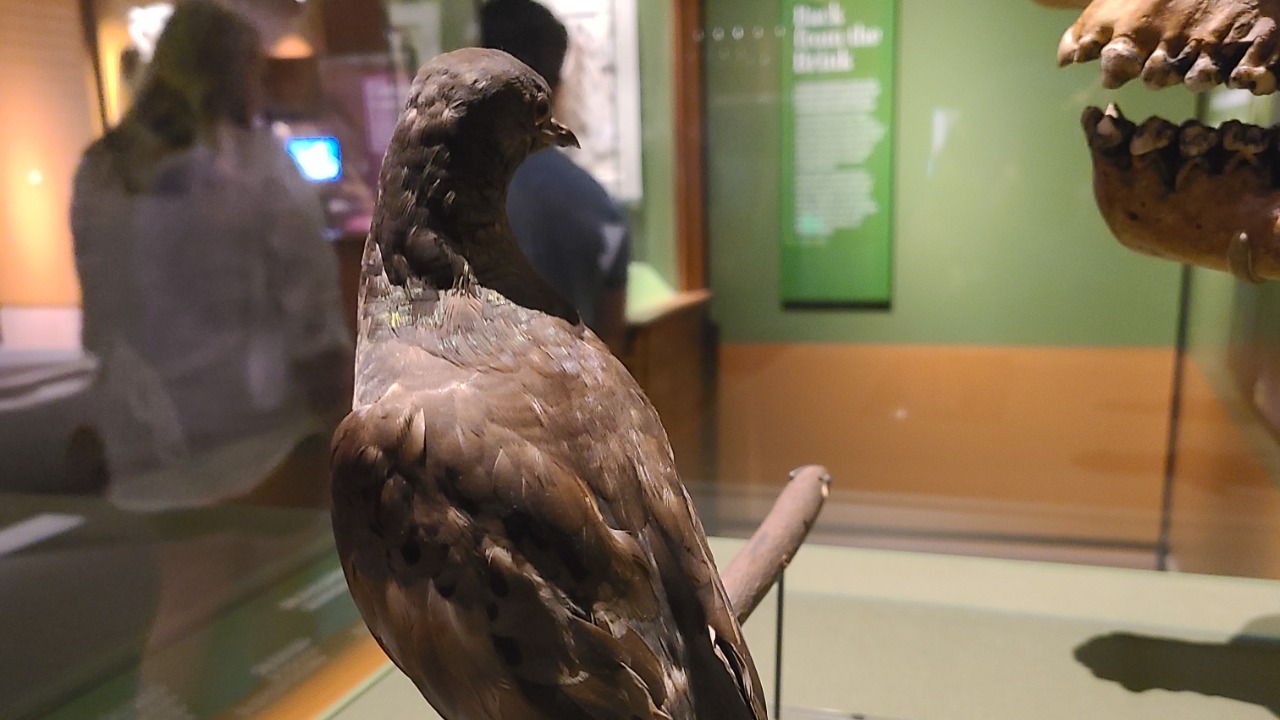
There are numerous instances where human activities have led to animal extinction. The Dodo, for example, was driven to extinction by habitat loss and overhunting. Similarly, the Passenger Pigeon, once the most abundant bird in North America, was hunted to extinction in the 19th century.
Moreover, the introduction of invasive species has had devastating effects on native fauna, as seen in the case of the Stephens Island Wren, which went extinct due to predation by cats introduced by humans. Such cases underline the significant impact of human activities on biodiversity.
The Role of Climate Change
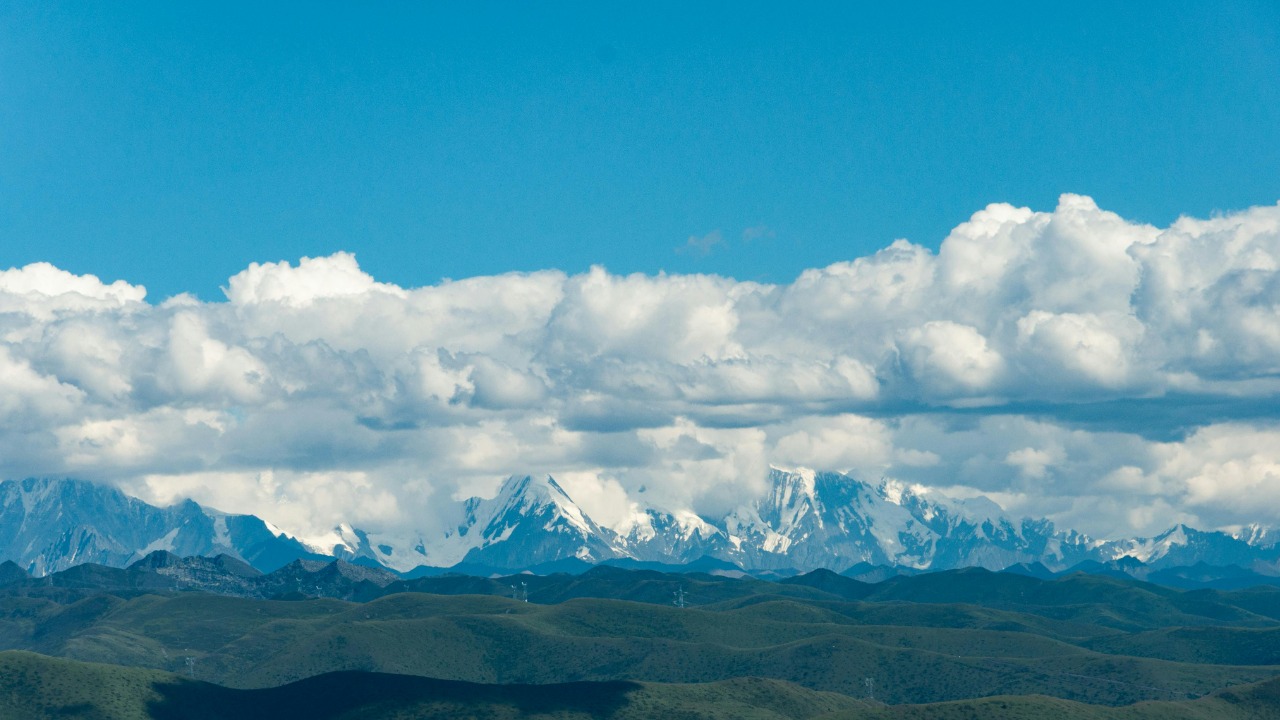
Climate change plays a substantial role in species extinction. As Earth’s climate continues to warm, many species are unable to adapt to the rapidly changing conditions. Studies have shown a direct correlation between global warming and accelerated biodiversity loss.
Moreover, climate change can exacerbate other threats to biodiversity, such as habitat loss and the spread of diseases, pushing species closer to the brink of extinction. This highlights the potential of climate change to worsen the ongoing extinction crisis.
Countering Arguments: The Uncertain Case of Human-Driven Extinctions

While the evidence of human-driven extinctions is overwhelming, there are arguments that question the extent of human responsibility. Some critics suggest that these extinctions could also be due to natural evolutionary processes, and humans are unfairly blamed.
There is also debate over the role of Homo sapiens in prehistoric extinctions. Research suggests that there’s insufficient evidence to conclusively blame humans for the extinction of megafauna during the Pleistocene epoch, for example. However, these arguments do not negate the current crisis of accelerated biodiversity loss driven by human activities.
The Implications and the Way Forward
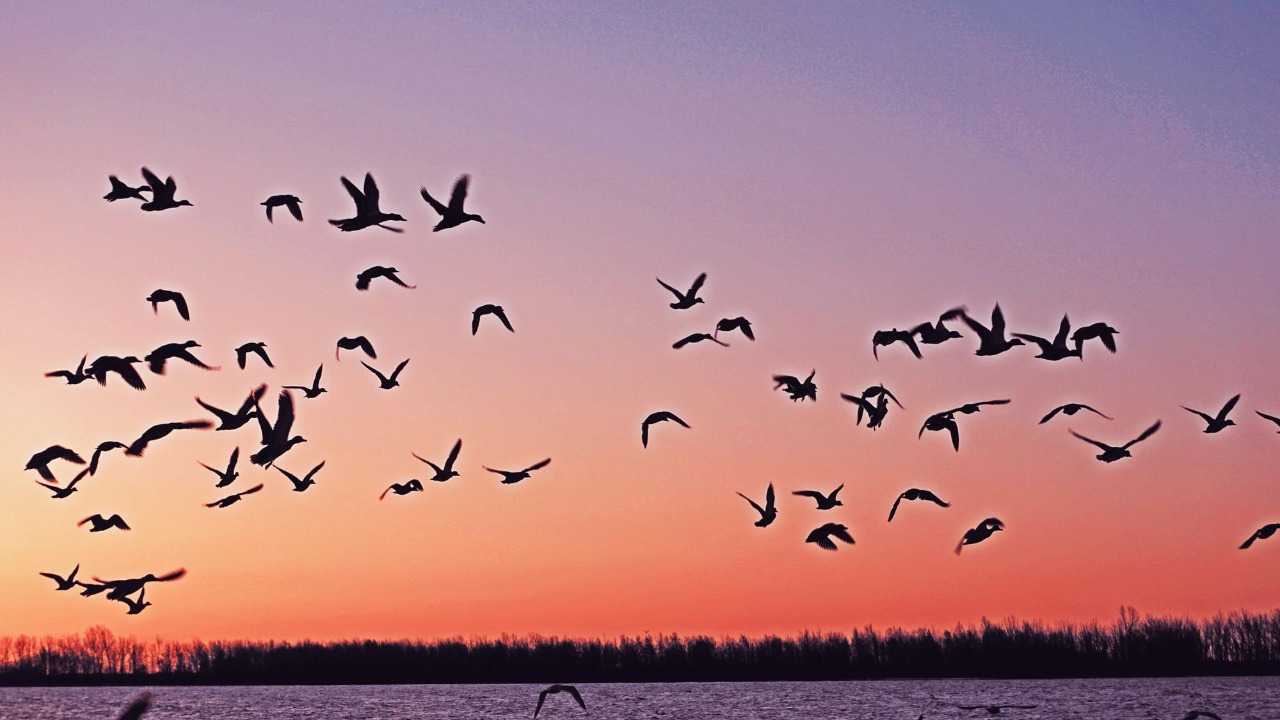
The rapid loss of biodiversity has far-reaching ecological implications. Each species plays a unique role in maintaining the balance of its ecosystem. When a species goes extinct, it can disrupt the food chain and impact other species. Additionally, rapid biodiversity loss has socio-economic implications, as it affects ecosystem services crucial for human survival, including food provision, climate regulation, and disease control.
Slowing down the current extinction rates requires concerted efforts in conservation and policy-making. Various conservation strategies, such as habitat protection, species reintroduction, and sustainable hunting practices, have shown promise. Moreover, policies aimed at curbing climate change, reducing pollution, and managing invasive species can help mitigate biodiversity loss.
Lastly, public awareness and individual actions play a pivotal role in preserving biodiversity. Understanding the value of biodiversity and the consequences of its loss is the first step towards making informed choices and advocating for policies that protect our planet’s rich biodiversity.