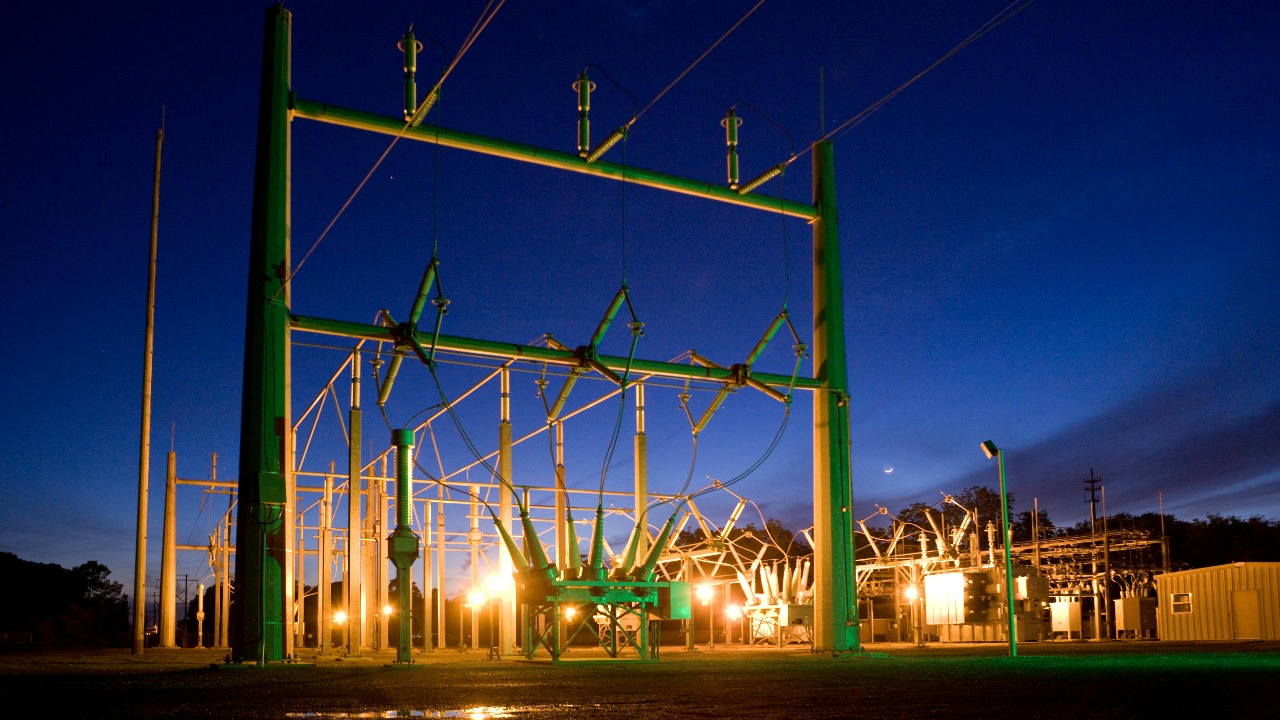

America’s electric lifeline is heading into a decade of elevated risk, with grid watchdogs warning that large regions of the country could struggle to keep the lights on as demand soars and infrastructure lags behind. The latest long‑term assessments describe a system in which peak electricity use is set to outstrip anything seen in the past 20 years, even as older plants retire faster than new resources and transmission can replace them. The message is blunt: without a course correction, long‑duration reliability problems will become a defining feature of the U.S. power system rather than a rare crisis.
Those warnings are no longer confined to technical circles. The North American Electric Reliability Corporation, or NERC, and the Department of Energy are now spelling out how surging loads from data centers, electrified vehicles and heating, and extreme weather are converging on a grid that was not built for this pace of change. Their findings point to a policy and investment gap that will shape everything from household bills to industrial competitiveness in the 2030s.
‘Worsening’ risks across huge swaths of the grid
The North American Electric Reliability Corporation’s latest long‑term review finds that resource adequacy is set to deteriorate across much of the continent through 2035, with the group’s own language describing a trend of Worsening conditions. In its 2025 Long‑Term Reliability Assessment, often shortened to LTRA, NERC highlights that the North American bulk power system is entering a period when the margin between available supply and peak demand shrinks in many regions at the very moment electrification is accelerating. The LTRA infographic underscores that NERC sees intensifying risks across the North American grid, with more areas flagged for potential shortfalls during extreme weather or unexpected outages.
Separate analysis of the same assessment notes that NERC, which serves as the nation’s grid watchdog, is effectively sounding a red alert about the possibility of capacity shortfalls and rolling blackouts between now and 2030, a warning echoed by North American Electric commentary. A separate overview of NERC’s State of Reliability work reinforces that the organization’s assessment work is now focused less on isolated emergencies and more on systemic, long‑term vulnerabilities. Together, these documents sketch a map of “huge swaths” of the U.S. where reliability is no longer taken for granted.
Demand growth is outpacing new resources
At the heart of the problem is a simple imbalance: electricity demand is growing faster than the infrastructure needed to serve it. NERC’s long‑term reliability report, as summarized in multiple briefings, warns that load growth from large users such as data centers is outstripping both generation and transmission additions, a trend highlighted in coverage of how load growth outpaces. One analysis of the LTRA notes that the North American Electric Reliability Corporation’s latest Long‑Term Reliabilit work shows America’s power grid is under growing strain, with America facing tighter supply‑demand balances in multiple regions.
Another detailed summary of NERC’s findings stresses that the North American electric grid is confronting demand growth driven by data centers and electrification at a pace not seen since 1995, with The North American system struggling to keep up. That same report, which describes long‑term grid reliability risks mounting from Surging Demand and Lagging Resources, notes that the North American Electric Reliability Corporation (NERC) is increasingly concerned that planned additions of new resources are not materializing on schedule, a point reinforced in a separate LTRA document that catalogues resource additions and retirements region by region.
Data centers, electrification and winter peaks
One of the most striking shifts in the new reliability outlook is the role of data centers and other large digital loads. NERC officials have warned that the Midcontinent Independent System Operator, or MISO, which serves 45 million people in 15 states, is among the first grid operators expected to face high risks of energy shortfalls as data center clusters connect. A separate account of NERC’s warnings notes that the continuing shift in the resource mix toward weather‑dependent resources and less fuel diversity increases the risk of supply shortfalls during extreme cold, a point underscored in coverage of how data centers surge.
Winter reliability is emerging as a particular flashpoint. One report on U.S. winter power outage risk notes that electricity demand in the U.S. and Canada over the next decade is projected to surpass the peak demand of the past 20 years, raising the stakes for cold‑weather performance. Another analysis of the same warning explains that the first grid operator to face high risks of winter shortfalls is likely to be MISO, while a separate account of U.S. power grids facing rising winter blackout risks stresses that the North American Electric Reliability Corporation is increasingly focused on how electrified heating and industrial loads will reshape seasonal peaks, a concern echoed in winter coverage.
Retiring fossil plants faster than the grid can replace them
Overlaying the demand surge is a rapid shift in the generation mix, as coal and gas plants retire while wind, solar and batteries scale up. NERC’s long‑term reliability work repeatedly cautions that the North American electric power system is not expanding transmission and firm capacity fast enough to replace retiring fossil units, a concern that one account of grid regulators’ warnings in North America frames as a risk of grid failure in the years ahead as fossil fuels phase out. Another commentary on the same theme argues that the North American Electric Reliability Corporation’s latest long‑term reliability assessment “confirms the crisis,” stressing that the organization’s NERC findings should be front‑page news because they show a system already strained by recent cold snaps.
The Department of Energy has reached similar conclusions using its own analysis. In a report evaluating U.S. grid reliability and security, DOE states plainly that the status quo is unsustainable if current retirement schedules and incremental additions continue, a judgment rooted in detailed analysis of capacity, transmission and fuel supply. A separate summary of the same document notes that the Highlights of the Report emphasize how the combination of aging infrastructure, rising cyber and physical threats, and the pace of resource change leaves little margin for error, a point reinforced in another DOE summary that calls the current trajectory untenable without more firm, dispatchable capacity or new forms of flexibility.
What it will take to avoid a decade of rolling crises
Grid experts are increasingly clear that avoiding a long‑term reliability crunch will require both more capacity and smarter use of what already exists. NERC officials have pointed to the potential for large customers, especially data centers, to provide flexibility that eases the strain on local networks, with one briefing quoting During the remarks by Moura that such flexibility could help them interconnect faster and reduce the need for near‑term grid upgrades. Another account of NERC’s warnings about reliability risk rising as load growth outpaces infrastructure stresses that better planning and coordination between utilities, regulators and large customers can keep pace with demand, a theme that recurs in infrastructure coverage.
There is also a growing debate over how fast to retire existing fossil plants. One policy paper focused on Minnesota’s push for 100 percent carbon‑free electricity by 2040 argues that “we are in a reliability hole, and the first thing we need to do is stop digging,” urging Policymakers to consider a moratorium on closing certain plants until replacement resources are fully online. That perspective aligns with NERC’s repeated caution that retiring coal and gas plants too quickly, without firm alternatives, can erode reliability, a concern echoed in reporting that quotes Jan commentary on how grids are surviving current winter storms but could face rougher conditions over the next five years if planned resources do not come online and on time, as described in Jan.
More from Morning Overview