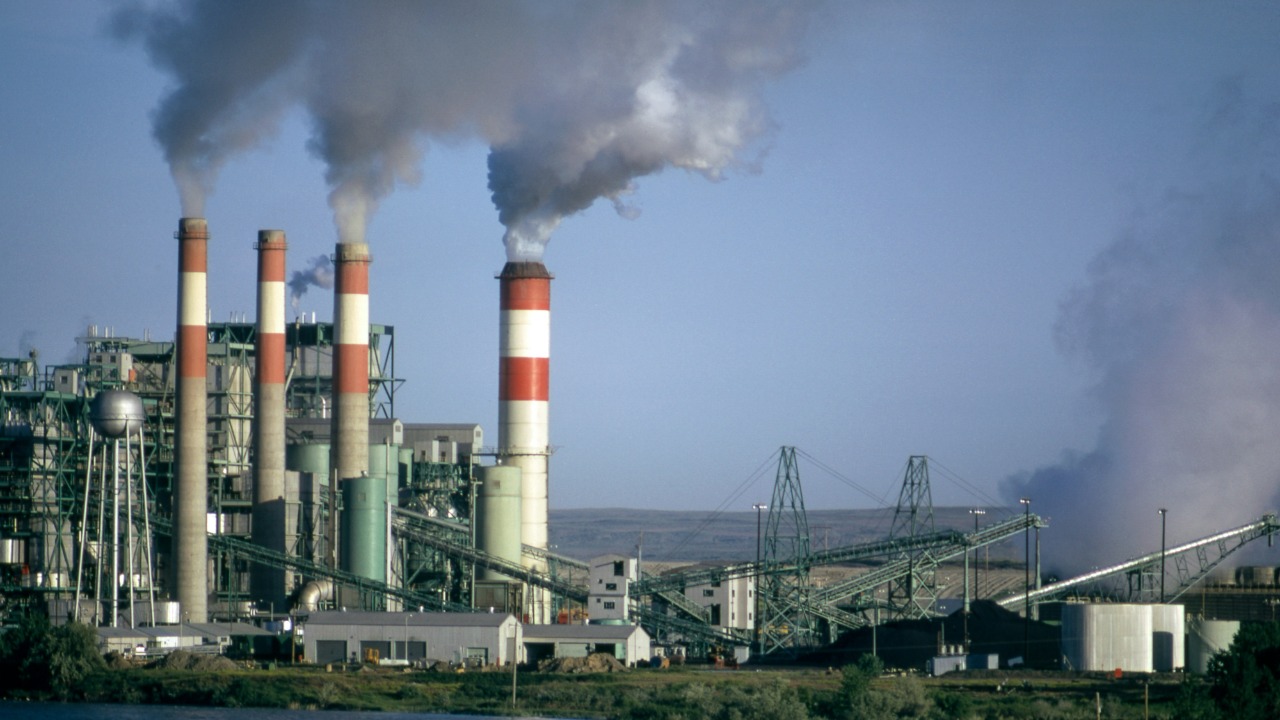

Across coal country, the same toxic sludge and rust-colored water that once symbolized the end of an industry is starting to look like the beginning of something else. Buried in coal ash ponds, mine tailings and acid drainage are rare earth elements and other critical minerals that underpin wind turbines, electric vehicles and advanced electronics. If the technology, economics and politics line up, the dirtiest legacy of fossil fuels could help power America’s next phase of clean energy growth.
Instead of blasting new mountains or deep-sea beds, researchers and companies are learning how to pull these metals from waste that is already sitting in pits, ponds and abandoned mines. The stakes are enormous: a domestic supply of rare earths could ease dependence on imports, clean up long-polluted waterways and redirect money and jobs back into communities that once depended on coal.
The hidden mineral bonanza in coal and mine waste
For years, scientists have known that Tailings and acid mine drainage from old operations contain traces of the same rare earth elements that go into magnets, batteries and high efficiency motors. What is changing now is the ability to measure and model those deposits at scale, turning scattered observations into a map of potential supply. In coal regions, that picture is even more striking, because decades of burning have concentrated metals in ash and sludge that were once treated purely as a liability.
Scientists at West Virginia University and partner labs have documented that coal combustion byproducts hold a “huge trove” of rare metals needed for clean energy, with Scientists describing how years of disposal have effectively pre-mined and stockpiled critical materials. In parallel, Now researchers are surveying mine waste around the world as part of the global transition from fossil fuels, treating these sites as unconventional ore bodies rather than dead ends.
From orange streams to strategic supply
Across Appalachia, rust-stained creeks tell the story of coal’s environmental cost, with Across Appalachia abandoned mines leaking iron-rich water that coats streambeds orange. Treating that pollution produces a thick sludge that has long been trucked to landfills, a recurring cost for states and local watershed groups. For decades, that sludge was handled as hazardous waste, but But West Virginia University and other researchers have shown it is also rich in iron, aluminum and rare earth elements that can be recovered.
That shift in perspective turns a perpetual cleanup expense into a potential revenue stream. Analyses of the “economics of waste to value” argue that Recovering rare earth elements from mine water will not fully replace conventional mining, but it can transform pollution into prosperity for communities that host these sites. The same analysis notes that the quantities in mine drainage are modest compared with global demand, yet they are significant enough to support regional processing hubs and to contribute to a more diversified and resilient supply chain.
Coal ash as a domestic rare earth reserve
Coal ash, the powdery residue left after combustion, may be the most concentrated and accessible waste stream of all. In the United State, Researchers have estimated that accessible ash deposits could contain as much as 11 million tons of rare earth elements, a figure that rivals known reserves in some traditional mining countries. That volume is not just a scientific curiosity, it is a strategic asset at a time when the United States is trying to reduce reliance on imported materials for clean energy technologies.
At the same time, experts caution that these metals are present in low concentrations. One analysis notes that Rare earth elements make up only a tiny proportion of coal ash, and researcher Paul Ziemkiewicz has stressed that extracting them would not change the need to manage the underlying waste. That reality is pushing technology developers to design processes that can handle huge volumes efficiently, so that the value of recovered metals outweighs the cost of moving and treating ash.
Labs, agencies and tech transfers racing to scale up
Federal labs and agencies have started to treat coal waste as a serious resource, not just an environmental headache. The National Energy Technology Laboratory reports that NETL has Patents New Process from Coal Fly Ash at High Quantities, describing advantages over other available technologies. A separate report to Congress notes that Significant progress has been made toward enabling commercial production of critical minerals from coal and coal by-products, including pilot plants and demonstration projects.
Private and university labs are also moving their inventions into the field. The federal government has offered technology transfers such as Extraction of Rare developed at Sandia National Laboratories, with Sandia National Laboratories researchers describing coal waste as a promising source of rare earth elements. In parallel, the Department of the to Unlock Critical Minerals from Mine Waste, with officials emphasizing that Mine waste holds untapped supplies of minerals needed for national security and clean energy.
Who owns the minerals in pollution, and who benefits
As the technology matures, the legal and political questions are getting sharper. In West Virginia, lawmakers have moved to clarify who controls the value locked in polluted streams and abandoned sites. One analysis notes that Clear rules like those in West Virginia provide greater certainty, while the lack of guidance in Pennsylvania could slow investment. The core issue is whether landowners, former mine operators, states or local watershed groups have the right to sell recovered minerals.
Those decisions will shape whether this new industry reinforces or repairs old inequities. Commentators have pointed out that if community groups and nonprofits that have long managed cleanup projects can share in the proceeds, they could reinvest in more restoration. One analysis explains that If these groups start selling recovered rare earth elements, they could generate revenue for more stream cleanup projects, but the lack of clear ownership rules in some states is already deterring companies interested in rare earth element extraction.
More from Morning Overview