
Climate change is no longer an abstract backdrop, it is reshaping daily life with more intense storms, longer droughts, heavier rainfall and rising temperatures that test every weakness in a house. To climate proof your home before extreme weather hits, you need to think like a risk manager, not a weekend DIYer, and line up structural fixes, smart landscaping and backup systems before the next alert lights up your phone. I focus on practical upgrades that reduce damage, keep people safe and, in many cases, cut energy use at the same time.
The goal is not to build a bunker, it is to make targeted changes that match the threats where you live, whether that is wildfire, flooding, heat waves or high winds. That starts with understanding how water, wind and heat move through and around your property, then using building materials, vegetation and maintenance routines to tilt the odds in your favor.
Know your local risks before you spend a dollar
I start any resilience plan by mapping the specific hazards around a property instead of chasing headlines about the latest disaster somewhere else. Architect Nathan Kipnis, who leads Kipnis Architecture and Planning in Chicago and Boulder, Colorado, stresses the need to Focus on Local Weather Issues, because a house in Miami faces very different threats than one in Denver. A basic risk scan should include whether you sit in a high risk flood zone, a wildfire interface, a tornado corridor or an area that is already seeing more frequent extreme heat.
Insurance checklists can help translate that big picture into property level red flags. One guide lists FACTORS to CONSIDER WHEN CHOOSING a SPECIFIC HOME, including an elevated foundation, proper drainage and impact resistant roofing, all of which can also help reduce insurance costs. Another analysis of Water and climate change notes that Extreme events are making water more scarce, more unpredictable and more polluted, which is a reminder that flood and drought risks can coexist on the same street. Once I know whether wind, water, fire or heat is the main threat, I can prioritize the upgrades that matter most.
Strengthen the shell: roofs, windows and structure
The building envelope is your first line of defense, so I look at the roof, openings and structural connections before anything else. Storm specialists emphasize that Preparing before the storm arrives can make all the difference, and that starts with Strengthening Your Roof using weather resistant materials and secure fasteners. In hurricane regions, detailed guidance on Hurricane and Flood roof with hurricane straps or clips and calls for impact rated windows and doors that can resist flying debris. Architect Nathan Kipnis also recommends adding hurricane straps so the roof is literally tied to the walls, which reduces the chance that uplift forces peel it away.
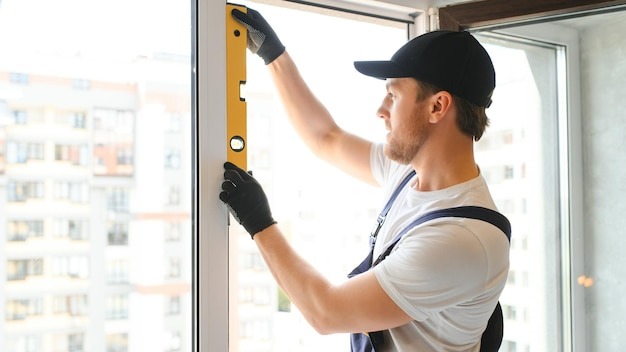
Openings are the next weak point, and here I look at both glass and garage doors. One storm proofing guide urges homeowners to consider weather resistant materials and shutters to prevent damage from flying objects, while hurricane experts advise installing impact windows and securing garage doors so they can withstand high winds and do not blow in and pressurize the house. Even in less windy regions, better windows and doors improve insulation, and one list of climate upgrades notes that Improve the insulation of your home is one of the most cost effective ways to handle both heat and cold. I also pay attention to regular maintenance, because Year Round Weatherproofing Tips Regular Maintenance Consistent inspections of roofs, caulking and siding keep small leaks from turning into catastrophic failures when a storm hits.
Control water: flooding, drainage and backup power
Water is both essential and destructive, and the link between Water and climate change means Extreme rainfall and drought are intensifying at the same time. For homes in high risk flood areas, resilience specialists advise elevating utilities, moving valuables above expected water lines and, where feasible, elevating the home or installing flood barriers, as detailed in one Climate resilience guide. Another checklist on WHEN CHOOSING a SPECIFIC HOME highlights proper drainage around the foundation as a key factor, which can be retrofitted by regrading soil, extending downspouts and adding French drains.
Inside the house, I look for ways to keep water out of basements and keep critical systems running when the grid fails. A detailed list of climate resistant upgrades points to Dec and Sump pumps as one of the biggest defenses against basement flooding, especially when paired with battery backups. Heat mitigation experts note that Mitigating Heat Risks often includes installing a backup generator so cooling systems and medical devices keep running during outages, and another guide on How to Stay Cool Without Overloading the Grid Backup power stresses that portable batteries and efficient fans can help stay cool without overloading the grid. I also pay attention to municipal advice, such as one city’s reminder that Protect your home and family from storms by combining green infrastructure like rain gardens with vital maintenance of gutters and sump systems.
Defend against heat and wildfire with smart landscaping
As heat waves intensify, I treat the yard as a cooling system and fire break, not just decoration. One energy conservation guide from Colorado State University explains that Proper use of trees, shrubs, vines and man made structures can modify the climate around your home to reduce heat gains in summer and heat losses in winter, and that the same vegetation planning can help protect your home from wildfire. A consumer guide to climate upgrades recommends that homeowners Here are seven climate resistant home upgrades and urges people to Plant drought resistant trees and shrubs that shade walls and windows without putting roots into foundations.
In fire prone regions, landscaping becomes a safety system. A wildfire WILDFIRE CHECKLIST advises homeowners to Review insurance coverage, Clear vegetation and debris and Create a defensible space around your home, then Install exterior sprinkler systems that can wet down roofs and siding. Another guide on climate solutions for homeowners notes that Consider fire resistant materials like metal roofing and fiber cement siding and, where possible, connect exterior sprinklers to a dedicated water supply. A separate overview of how Homeowners can help limit potential damage underscores that resilient building materials and thoughtful landscaping can both reduce fire risk and lower energy costs and your carbon footprint.
Keep interiors livable during heat, cold and smoke
Once the exterior is hardened, I focus on keeping indoor conditions safe when the outside world becomes hostile. Heat mitigation experts stress that Inside Your Home, Mitigating Heat Risks starts with shading, reflective roofing and insulation, then moves to efficient air conditioning and, if needed, a backup generator. A consumer guide to climate upgrades notes that Insulation is a fantastic climate upgrade because it keeps heat out in summer and in during winter, especially when paired with blackout window shades. Municipal safety advice from Puyallup, Washington, reminds residents that Window falls can be prevented with a little knowledge, use of safety devices and careful habits, and that caregivers should Always supervise young children around open windows during heat waves when people are more likely to rely on natural ventilation.
Cold snaps and smoke events require a similar mindset. A financial preparedness guide for extreme weather notes that to protect your home from snowstorms or extreme cold, Securing your property is priority No. 1, which includes sealing drafts, insulating pipes and having backup heat. A broader climate solutions guide for homeowners lays out a Table of Contents that covers Wildfires, Defending your home from increasing fire risk and Hurricanes and, Bracing for severe storms with stronger windows and roofs, then turns to cold, Winterizing your home for harsh conditions. I also pay attention to indoor air quality during smoke events, using high efficiency filters and portable purifiers, and to backup power strategies that, as one guide on Stay Cool Without notes, can keep essential appliances running without straining local infrastructure.
More from Morning Overview