
Tesla Energy is turning the power business on its head not with a single breakthrough, but with a layered strategy that chips away at the logic of traditional utilities. By combining industrial batteries, home storage, software and virtual power plants, it is quietly shifting value away from poles and wires and toward flexible, data driven assets. The result is a slow but profound erosion of the monopoly model that has defined electricity for a century.
I see the outlines of a new grid emerging in Tesla’s energy unit, where batteries and algorithms increasingly do the work once reserved for gas peaker plants and central control rooms. As this business scales, the company’s growth numbers, its partnerships with utilities and its experiments in virtual power plants all point to the same conclusion: the old utility playbook is being rewritten from the outside in.
The battery business that makes peaker plants look obsolete
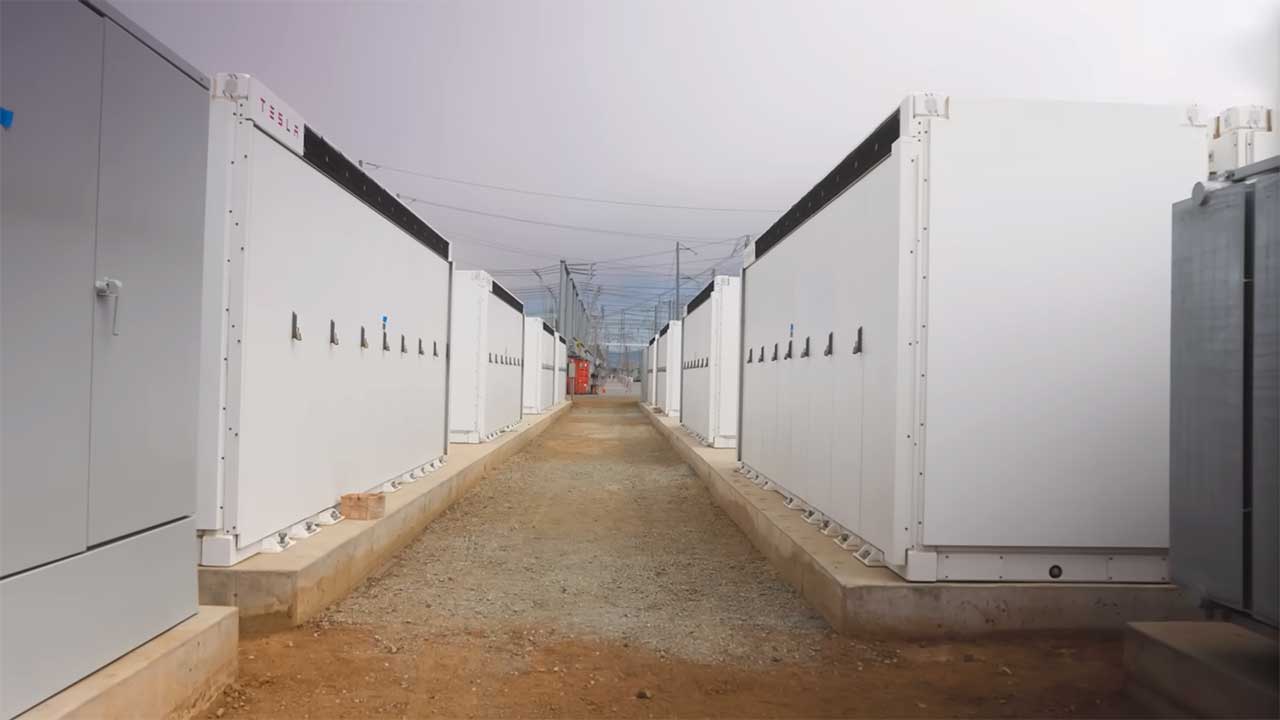
The core of Tesla’s challenge to utilities is simple: large scale batteries can now do many of the jobs that used to require expensive, rarely used power plants. Tesla has built its brand around electric vehicles, but the company’s own materials make clear that energy storage, from Powerwall to Megapack, is now a central pillar of Tesla. Industrial projects built around these batteries give grid operators a way to shift power in time, soaking up cheap or surplus generation and releasing it when demand spikes, which is exactly what peaker plants were designed to do.
That shift is already visible in the numbers. In its Q3 2025 Energy Business Performance, Tesla reported record energy storage deployments and highlighted how this part of the company has become a real growth engine, with deployments rising even through price competitive periods as the economics of batteries improve relative to fossil fuel plants. The same analysis underscored how the Energy Business Performance in Nov showed Tesla leaning into grid scale storage as a way to arbitrage prices and stabilize the system, a pattern that directly undermines the case for building new gas peakers and instead favors more battery capacity.
Triple digit growth and a rising share of Tesla’s revenue
Behind the scenes, the energy unit is no side project. Analysts tracking the company’s results have noted that Tesla’s Energy Storage Business Is Quietly Growing at Triple Digit Rates, with deployments and revenue expanding far faster than the more mature vehicle segment. That report described how Tesla’s energy business delivered stunning growth and is ramping toward tens of gigawatt hours of capacity per year, a scale that starts to look like a genuine alternative to traditional generation and grid infrastructure. When a single company can add that much flexible capacity, it changes how utilities think about long term planning and capital spending on conventional assets, especially peakers and transmission upgrades that may no longer pencil out against Triple Digit Rates.
The financial contribution of this business is starting to show up in Tesla’s own mix. In a breakdown of Energy Unit Contribution to Total Tesla Revenue, the energy segment accounted for 12.15% in Q3 2025, 12.39% in Q2 2025, 14.11% in Q1 2025 and 11.9% in Q4 2024. Those precise figures matter because they show a business that is no longer a rounding error but a meaningful share of the company’s top line, even as vehicle sales dominate the public narrative. As that share grows, Tesla has every incentive to keep pushing into grid services, and utilities have to reckon with a competitor that is both capitalized and motivated to keep expanding its Total Tesla Revenue from energy.
Virtual power plants turn customers into competitors
If big batteries nibble at the edges of utility generation, virtual power plants go after the business model itself. A VPP uses smart controls and two way technology to combine energy from home energy devices, coordinating thousands of small batteries and solar systems so they behave like a single power plant. As one primer put it in its Key takeaways, a VPP relies on software to aggregate and dispatch distributed resources, turning what used to be passive customers into active participants in the grid. That structure lets an operator bid into markets or support local networks without owning a single smokestack, which is why the concept of a VPP is so disruptive to traditional utilities.
Tesla has been explicit about this direction, building a virtual power plant across thousands of homes that link Powerwall batteries into a coordinated fleet. In California, the company has worked with partners so that households can enroll their home storage in programs that pay them to support the grid during peak events, effectively letting them share in revenue that would once have gone only to a utility owned plant. One overview of Tesla and PG&E’s collaboration framed it clearly: Before getting into the specifics of Tesla and PG, it explained that the VPP is part of a program where customers allow their batteries to be dispatched and in return receive payment from Tesla, a model that blurs the line between ratepayer and power producer and directly challenges the old one way utility program.
From Moss Landing to Megapack: utilities become the customer
For all the talk of disruption, Tesla is not simply trying to replace utilities; it is also selling to them. At Moss Landing California PG, the company has supplied one of the largest battery energy storage systems in the world, working with a major utility to shore up grid reliability with a massive bank of Megapacks instead of new fossil fuel units. A detailed video walkthrough of that project showed how PG&E integrated Tesla’s hardware into its operations, underscoring that even incumbent players see value in outsourcing some of their flexibility needs to a technology provider rather than building everything in house, a shift that inevitably moves profit away from regulated rate base and toward Moss Landing California.
That pattern is repeating globally. One industry newsletter noted that Tesla is pushing its Megapack hard and booking billions in grid projects globally, a sign that utilities and grid operators are increasingly comfortable treating batteries as core infrastructure. Each Megapack installation effectively substitutes for some combination of peaker capacity, transmission upgrades or backup generation, and the more of them that get deployed, the less room there is for traditional utility capital projects. As Tesla’s Megapack footprint grows, the company is not just a vendor but a strategic force that shapes how much conventional infrastructure gets built, with Megapack increasingly standing in for assets utilities once assumed they would own.
A data driven ecosystem born in crisis
The real leverage in Tesla’s approach comes from tying hardware together with software. During The European Energy Crisis, the value of a tightly integrated home ecosystem became especially clear, as households looked for ways to manage volatile prices and unreliable supply. One analysis described how, in that context, Nowhere was the appeal of a Tesla home setup more obvious, with solar, Powerwall storage and smart controls working together as a Catalyst for a more resilient, self balancing grid. By using Data Driven Energy Management, Tesla’s platform can optimize when homes draw from the grid, when they store, and when they export, making the system more valuable for every participant and eroding the old assumption that only utilities can orchestrate European Energy Crisis.
More from Morning Overview