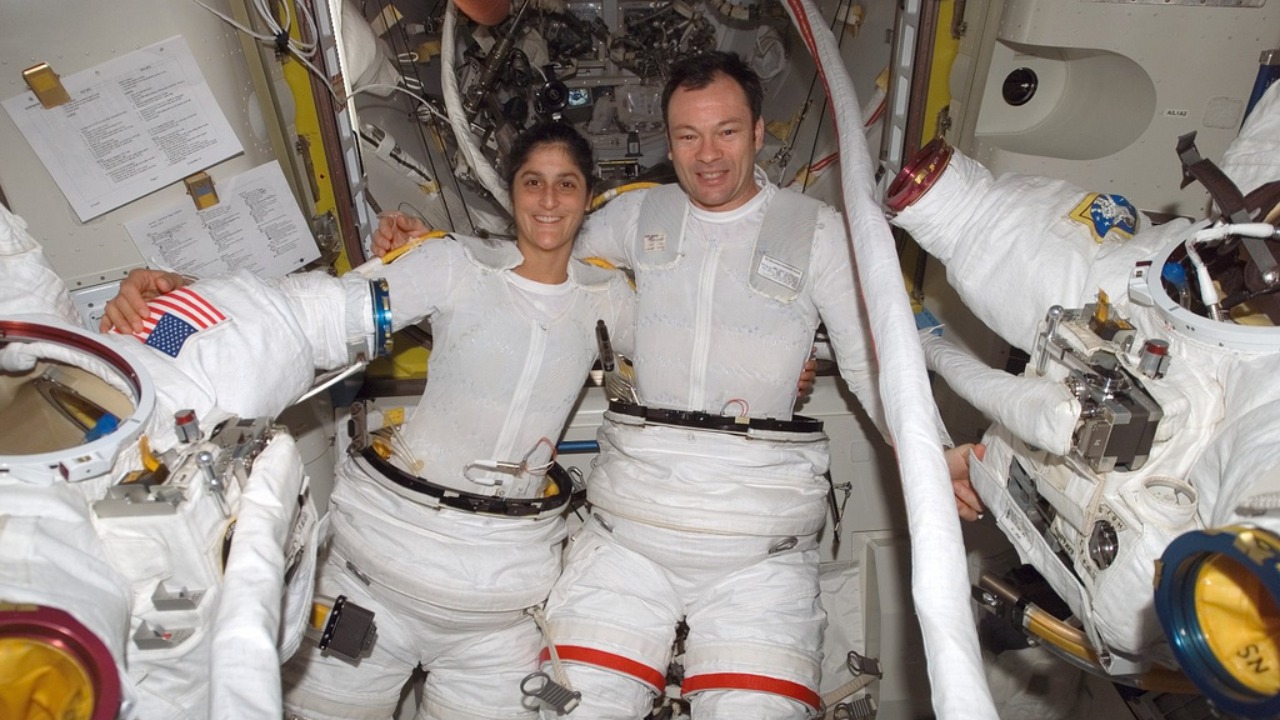

Protecting astronauts from the punishing effects of spaceflight has quietly become one of the most productive health experiments in history. In orbit, the human body ages faster, bones thin, muscles waste and cells respond to unfamiliar stress, giving researchers a compressed, high‑contrast view of problems that unfold slowly on Earth. As I follow the science, it is clear that the tools built to keep crews alive are now reshaping how doctors diagnose disease, design drugs and even grow replacement tissues for patients at home.
The International Space Station has effectively turned low Earth orbit into a testbed for medicine, from cancer therapies to portable scanners. What began as a question of survival has evolved into a precision‑health enterprise that is feeding new ideas into hospitals, biotech labs and emergency rooms worldwide.
The space station as a living health laboratory
For more than two decades, the orbital outpost has forced scientists to rethink how the body copes when gravity disappears. In microgravity, Scientists who track health experiments have shown that many changes in orbit mimic what happens as people age, only faster and in different sequences. That acceleration lets researchers watch bone loss, muscle atrophy and cardiovascular shifts unfold in months instead of decades, turning the station into a kind of fast‑forward button on human physiology.
Space agencies have leaned into that advantage, treating the International Space Station, or ISS, as a long‑running clinical trial in orbit. Over a quarter century, 25‑year reviews of its research describe thousands of investigations into how organs, immune systems and even microbes adapt when gravity is removed. That body of work now underpins a broader push to translate orbital findings into therapies and technologies for patients on the ground.
Accelerated aging, precision health and chronic disease
One of the most powerful insights from orbit is that spaceflight acts like a stress test for aging. Long missions have turned Space into a Living Laboratory to Model Accelerated Aging, where researchers watch how Telomeres shorten and recover as crews endure long‑duration flights. That cellular wear and tear, combined with shifts in bone and immune function, is feeding a broader precision‑health effort that treats spaceflight Stressors as a way to unlock the secrets of aging and disease for people on Earth.
That same logic is driving pharmaceutical work that uses orbit to compress drug discovery timelines. Program leaders have noted that lot of the our bodies experience in microgravity resemble conditions seen as we age on Earth, which makes the station an attractive place to test how experimental compounds behave in stressed tissues. In parallel, Spaceflight studies show that the same physiological changes that threaten astronauts mirror the onset of debilitating chronic diseases on Earth, from osteoporosis to cardiovascular decline, giving drug developers a new environment to probe those pathways.
From fragile bones in orbit to stronger skeletons on Earth
Few problems illustrate the crossover better than bone loss. Astronauts lose critical minerals such as calcium, with bone mass dropping about 1 percent per month according to NASA, a rate that far outpaces typical aging. Detailed reviews of Astronauts living and working in orbit show that their bones can lose density up to 10 times faster than those of osteoporosis patients, which has turned every long mission into a case study in extreme skeletal stress.
To counter that, researchers have tested Methods to combat muscle atrophy and bone loss, from resistive exercise machines to nutritional tweaks and drug regimens. Those countermeasures are now informing guidelines for older adults and people confined to bed, as well as Ongoing studies on the ISS that link astronaut bone loss to the common problem seen in the elderly. At the molecular level, Crystals of bone‑related proteins have been grown bigger and more perfectly in orbit than on Earth, giving structural biologists sharper views that can guide the design of new osteoporosis drugs.
Space medicine’s quiet revolution in diagnostics and devices
Keeping crews healthy has also forced engineers to reinvent medical hardware for cramped, power‑limited spacecraft, and those constraints are now paying off in clinics. On the space station, On the orbiting lab, company leaders like Martin describe how compact ultrasound devices are regularly used to scan changes in astronauts’ eyes and organs, with images beamed to specialists on the ground. Those same scanners are now being marketed to emergency departments and rural clinics that lack full imaging suites, turning a tool refined in orbit into a frontline diagnostic on Earth.
Other technologies have followed a similar path. Wearable sensors and biomedical patches tested in microgravity are now part of broader efforts to track vital signs continuously, a trend highlighted in work on Genetic research and health monitoring that uses days of data from orbital wearables. In parallel, a program known as With the development of medical equipment for extreme conditions, the initiative called EXPAND is extending those advances to underserved communities on Earth and to future crews in deep space.
Alzheimer’s, cancer and the promise of in‑space biomedicine
Beyond diagnostics, orbit is changing how scientists think about some of the toughest diseases. Researchers using the station’s microgravity environment have developed Space Station Leads projects that include a new way to look at Alzheimer, growing protein aggregates and brain‑like tissues that are difficult to study on Earth. Those experiments sit alongside work on Breakthroughs that help people Breathing easier in space and on Earth, including improved ventilator designs and air‑quality systems that have been adapted for hospitals.
Cancer research has followed a similar trajectory. Studies conducted in space have revealed new technological innovations that target diseases such as cancer, and The space station gives scientists a unique vantage point to refine the design of targeted treatments. One high‑profile example is the Angiex Cancer Therapy study, which tested a drug designed to attack blood vessels that feed tumors, using microgravity to reveal how those vessels form and respond to treatment.
More from Morning Overview