
Recent reporting on brake fluid durability has highlighted the importance of understanding its lifespan once opened. Both in racing and standard automotive contexts, the degradation of brake fluid can lead to performance issues, emphasizing the need for timely monitoring. This article delves into the specifics of brake fluid, its shelf life, and best practices for its storage and replacement.
What Is Brake Fluid and Why Does It Degrade?
Brake fluid is a type of hydraulic fluid used in hydraulic brake and hydraulic clutch applications in vehicles. It comes in different types, including DOT 3, DOT 4, and DOT 5, each with varying performance characteristics. One key property of brake fluid is its hygroscopic nature, meaning it absorbs moisture over time. This can lead to a reduction in the fluid’s boiling point and an increase in its freezing point, which can affect braking performance.
Once brake fluid is exposed to air, it begins to absorb moisture, which accelerates its degradation. This can lead to contamination and a reduction in the fluid’s boiling point, increasing the risk of brake failure. A technical breakdown in “Tech Explained: Racing Brake Fluid” provides a deeper understanding of how high-performance brake fluid behaves under these conditions.
Shelf Life of Unopened Brake Fluid
Manufacturer guidelines typically suggest that brake fluid in sealed containers can last between 2 to 5 years, depending on storage conditions such as temperature and humidity. However, the shelf life of unopened brake fluid can vary by formulation. For instance, racing brake fluid, which often contains additives for improved performance, may have a shorter viable period.
Insights from “Tech Explained: Racing Brake Fluid” further underscore the importance of understanding the longevity of sealed racing brake fluid and the factors that can influence it.
It’s also worth noting that the shelf life of unopened brake fluid can be influenced by the quality of the container’s seal. A compromised seal can allow moisture to infiltrate the container, reducing the fluid’s shelf life. Furthermore, the shelf life of unopened brake fluid can be affected by the type of brake fluid. For example, silicone-based DOT 5 brake fluid, which is less hygroscopic than its glycol-based counterparts, may have a longer shelf life due to its lower moisture absorption rate.
Moreover, the shelf life of unopened brake fluid can be extended by storing it in a cool, dry place, away from direct sunlight. High temperatures can accelerate the degradation of brake fluid, while exposure to sunlight can cause the container’s seal to deteriorate, potentially allowing moisture to enter. Therefore, proper storage is crucial to maintaining the shelf life of unopened brake fluid.
Brake Fluid Longevity After Opening
Once opened, brake fluid generally lasts between 1 to 2 years if properly stored. However, this lifespan can be shorter in humid environments due to rapid moisture ingress. Partial use of brake fluid can expose the remaining fluid to contaminants, leading to changes in viscosity and potential corrosion in reservoirs.
It’s important to note that the longevity of brake fluid after opening can be significantly reduced if the container is not properly resealed. A loose or damaged cap can allow moisture and contaminants to enter, accelerating the degradation of the fluid. Furthermore, the type of brake fluid can also influence its longevity after opening. For instance, DOT 5 brake fluid, being silicone-based, is less hygroscopic and may last longer after opening compared to glycol-based DOT 3 and DOT 4 fluids.
Additionally, the longevity of brake fluid after opening can be affected by the frequency of use. Frequent use can lead to more frequent exposure to air, which can accelerate moisture absorption and degradation. Therefore, it’s recommended to use opened brake fluid as soon as possible to maximize its longevity.
Factors Influencing Degradation Post-Opening
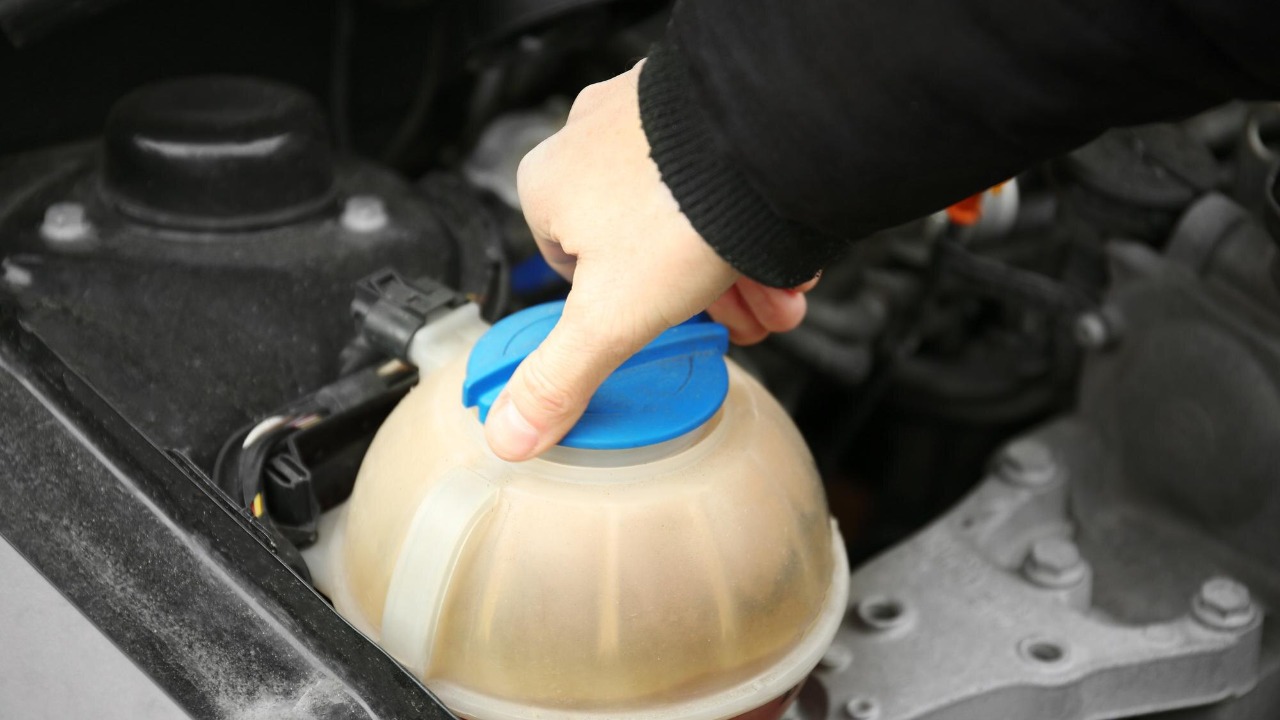
Several factors can influence the rate of brake fluid degradation after opening. Environmental factors such as temperature fluctuations and exposure to rubber components can hasten the breakdown of the fluid. Vehicle-specific variables, such as the intensity of usage in racing, can also amplify the stress on the fluid after initial opening.
The article “Tech Explained: Racing Brake Fluid” provides valuable insights into how brake fluid degrades under high-heat racing conditions.
Another factor that can influence the degradation of brake fluid after opening is the quality of the container’s seal. A poor seal can allow moisture and contaminants to enter, which can accelerate the degradation of the fluid. Furthermore, the type of brake fluid can also influence its rate of degradation. For example, DOT 5 brake fluid, being silicone-based, is less hygroscopic and may degrade slower after opening compared to glycol-based DOT 3 and DOT 4 fluids.
Signs Your Opened Brake Fluid Needs Replacement
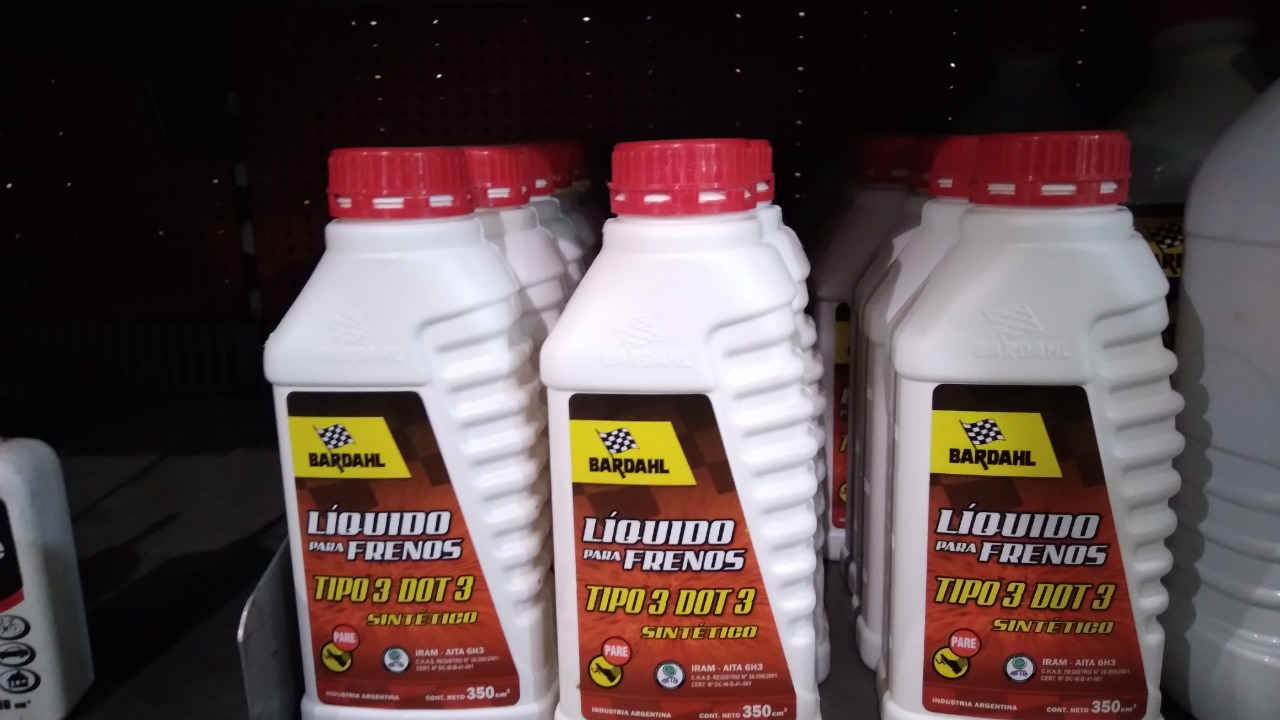
There are several indicators that your opened brake fluid may need replacement. These include a darkening color, a milky appearance from water contamination, or reduced pedal firmness. Diagnostic tests, such as boiling point checks or moisture content measurements, can also help assess the condition of post-opening fluid.
Other signs that your opened brake fluid may need replacement include a change in the fluid’s smell or texture. A foul or burnt smell can indicate that the fluid has been exposed to high temperatures, which can accelerate its degradation. Similarly, a change in texture, such as the fluid becoming thick or sticky, can indicate contamination or degradation. Regularly checking the fluid’s color, smell, and texture can help detect early signs of degradation and prevent potential brake failure.
Furthermore, the presence of debris or sediment in the fluid can also indicate that it needs replacement. These impurities can be a sign of corrosion in the brake system, which can lead to brake failure if not addressed promptly. Therefore, it’s important to regularly inspect the brake fluid for signs of contamination and replace it as necessary.
Best Practices for Storing Opened Brake Fluid
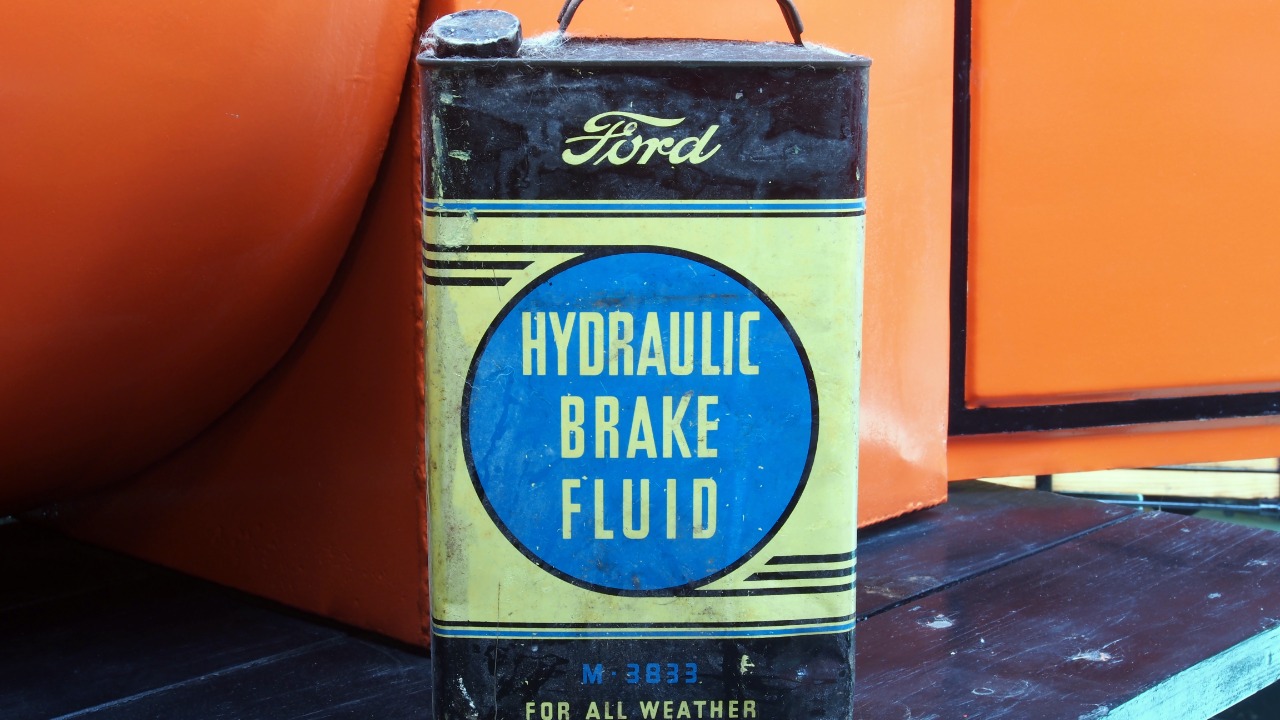
To extend the usability of opened brake fluid, it is recommended to store it in an airtight container, in a cool dry place away from sunlight. Using desiccant packs can also help reduce moisture absorption. Additionally, it’s a good practice to label the container with the opening date to track the 1-2 year replacement window.
Another best practice for storing opened brake fluid is to minimize its exposure to air. This can be achieved by resealing the container immediately after use and avoiding leaving the container open for extended periods. Furthermore, it’s recommended to avoid storing brake fluid in containers made of reactive materials, such as certain types of plastic or metal, as these can react with the fluid and lead to contamination.
Moreover, it’s a good practice to avoid storing opened brake fluid for too long. Even with proper storage, brake fluid can degrade over time due to its hygroscopic nature. Therefore, it’s recommended to use opened brake fluid as soon as possible and replace it with fresh fluid if it has been stored for more than 1-2 years.
When to Flush and Replace Brake Fluid
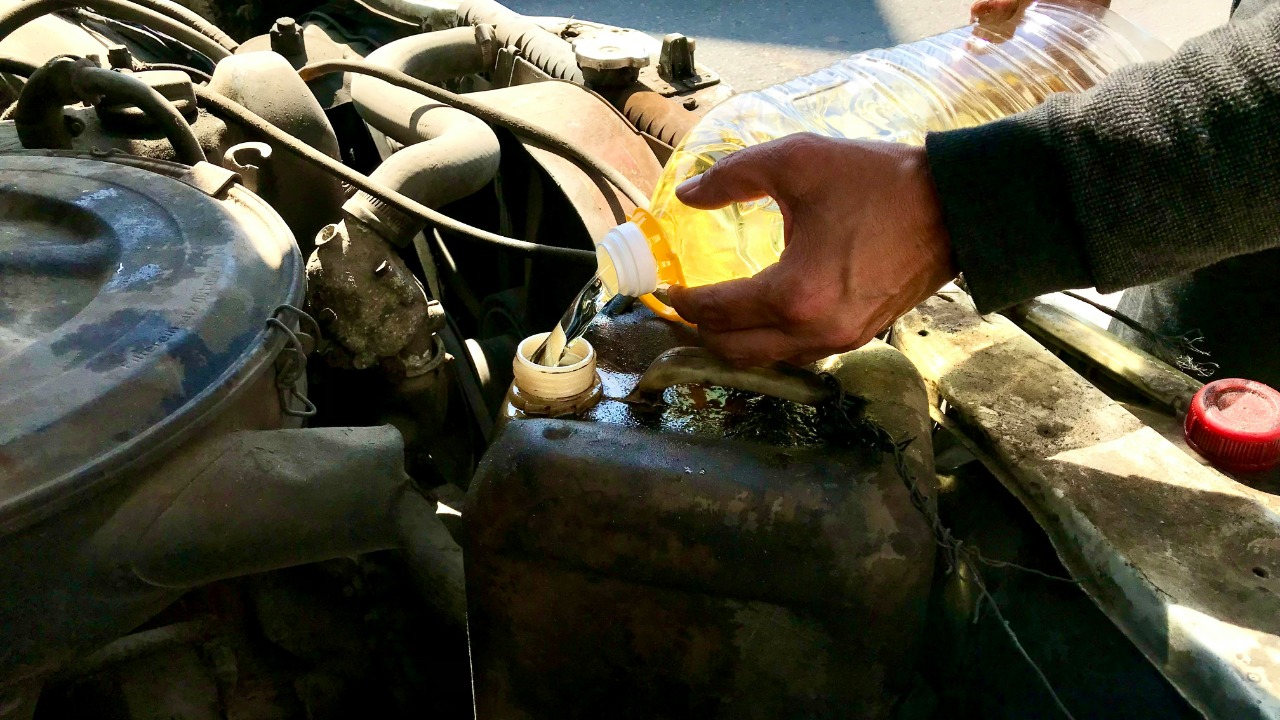
As a general rule, it is suggested to flush and replace opened brake fluid every 2 years for daily drivers, or more frequently for performance vehicles. Professional flushing procedures can help remove all traces of degraded fluid from the system, ensuring optimal braking performance.
It’s also important to note that the frequency of brake fluid replacement can depend on the type of vehicle and its usage. For instance, performance vehicles or vehicles used in harsh conditions may require more frequent brake fluid replacement due to the increased stress on the brake system. Furthermore, the type of brake fluid can also influence the replacement frequency. For example, DOT 5 brake fluid, being silicone-based, may require less frequent replacement compared to glycol-based DOT 3 and DOT 4 fluids.
Moreover, it’s recommended to have the brake fluid checked during regular vehicle maintenance. This can help detect early signs of degradation and prevent potential brake failure. Regular brake fluid checks can also help determine the optimal replacement frequency for your specific vehicle and usage conditions.