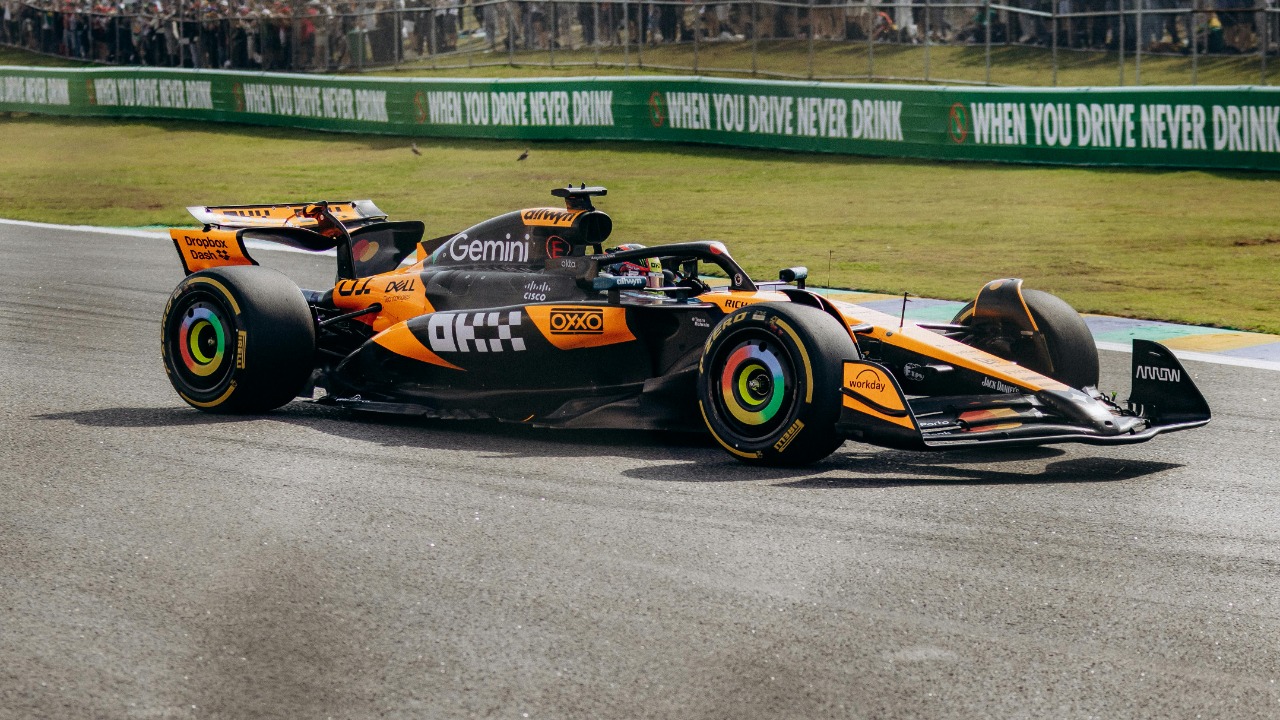

Honda’s return as a full works supplier with Aston Martin in 2026 was supposed to be the clean break from its turbulent hybrid era. Instead, quiet briefings from inside the company suggest a project wrestling with technical resets, cost caps and the weight of expectation around a future “superteam” built to win from day one. The public message is bullish, but the private mood music around the new power unit hints at a far more fragile reality.
What I am hearing, and what recent reporting reflects, is a split between official optimism and off-the-record anxiety about whether the 2026 engine can match the benchmark from the first lap. That tension, between the story Honda wants the paddock to hear and what its own staff are saying in the background, will shape not only Aston Martin’s prospects but the competitive balance of Formula 1’s next rules cycle.
Inside Honda’s split personality on 2026
Publicly, Honda is working hard to project control. Honda president Koji Watanabe has pushed back on suggestions that the company is in trouble with the 2026 Formula 1 project, even as he has acknowledged that “we’re struggling in many areas” as the new regulations approach. His message is that this is the normal pain of a complex hybrid power unit, not a sign that the Aston Martin partnership is fundamentally off track, and that the manufacturer is committed to staying in the championship at least until the end of 2026, when the first phase of the new rules will be fully bedded in, a stance reflected in his comments about Honda.
Behind that official line, however, the tone is more cautious. Engineers and insiders speaking away from microphones have described a program that is still searching for the right trade-off between combustion efficiency, electrical deployment and reliability, and that is acutely aware of how exposed it will be if the first Aston Martin-Honda package underperforms. The same internal voices that insist the project is not in crisis also concede that the learning curve is steep and that the company cannot simply spend its way out of trouble under the current engine cost cap, a constraint that is already shaping how And Honda approaches development.
What Honda staff are really saying off the record
The most revealing insights come from those who have watched Honda’s Formula 1 journey from the inside for a decade and are now being candid, if unnamed, about the scale of the reset. Several of them have pointed out that when Honda itself left the grid as a works entrant, the Sakura R&D program from an F1 perspective was effectively mothballed, with only a skeleton operation kept alive to support the existing power units. That decision, taken when the company believed its long term future in the series was uncertain, means the 2026 project has had to rebuild capability, staffing and processes almost from scratch at Sakura.
Those same insiders describe a sense that the company is starting this rules cycle on the back foot compared with rivals that never wound their programs down. The new power unit must be conceived in parallel with a fresh works partnership, new integration demands from Aston Martin’s chassis group and a regulatory framework that heavily increases the importance of electrical systems and energy management. People close to the project talk about a “compressed” timeline and a constant battle to align the expectations of Aston Martin’s leadership with what the engineers in Sakura can realistically deliver, a tension that has surfaced in the way What Honda staff are now characterising the early dyno work.
Aston Martin’s high-stakes bet on a reborn works partner
For Aston Martin, the partnership is both a huge opportunity and a calculated risk. The team is pivoting from a customer arrangement to a full works relationship, banking on the idea that a dedicated power unit will unlock performance and integration gains that a supply deal could never match. The branding and political upside of being the exclusive recipient of a factory engine is obvious, but so is the exposure if the first Aston Martin-Honda package is unreliable or underpowered, particularly when the team has invested heavily in facilities and personnel to position itself as a future title contender with Aston Martin as a true works operation.
The expectations around this alliance have only grown as Aston Martin has moved to assemble what has been described as a future “superteam” of technical talent, with the clear aim of fighting for championships rather than podium scraps. That ambition magnifies every whisper about the power unit’s progress, because a cutting edge chassis without a competitive engine is a familiar dead end in modern Formula 1. Inside the paddock, rivals are already weighing up whether the Aston Martin-Honda package will emerge as an immediate threat in 2026 or whether it will need a season or two to mature, a question that is sharpened by the fact that There is no guarantee that the cost-capped engine program can iterate as quickly as the team’s leadership would like.
Admitted struggles and the message discipline around them
Honda has not tried to pretend that everything is flawless. Company figures have already conceded that the 2026 engine development with Aston Martin is not going perfectly, using phrases such as “not everything is going well” to describe the current state of play. That admission is significant, because it acknowledges publicly what insiders have been saying privately, namely that the new hybrid package is exposing weak points in both combustion and electrical systems that must be solved before the first race, a reality that has been underlined in comments about how Honda and Aston Martin are working through setbacks.
At the same time, the company is keen to frame these issues as part of a controlled development curve rather than symptoms of a deeper structural problem. The official narrative stresses that every manufacturer is grappling with the same 2026 rules, that the learning from previous hybrid cycles is being fed into the new project and that the partnership with Aston Martin gives Honda a clear, stable platform to optimise the power unit around a single chassis concept. The tension between that carefully managed message and the more candid off-the-record briefings is where the truth likely sits, with a program that is neither in meltdown nor cruising, but instead grinding through the kind of difficulties that will decide whether the first Aston Martin-Honda season is a title bid or a long test session for 2027.
The long shadow of Honda’s hybrid past
Context matters, and Honda’s recent history in Formula 1 colours every conversation about 2026. The company’s early hybrid era struggles, particularly the period when Fernando Alonso publicly criticised the power unit’s performance and reliability, still loom large in the collective memory. That is why Koji Watanabe has been so insistent that the current project is different, even as he admits that the engineers are “struggling in many areas” and that the company must prove it has learned from the painful years when Alonso’s comments embarrassed Formula and Honda on the world stage.
That legacy cuts both ways. On one hand, it fuels scepticism whenever whispers emerge about dyno setbacks or integration headaches with Aston Martin’s chassis group. On the other, it means the company has a deep bank of hard-earned knowledge about what not to do, from cooling architecture to energy deployment strategies. Insiders at Sakura argue that the current project is benefiting from that experience, even if the outside world only sees the headlines about struggles and the guarded admissions that “not everything is going well.” The real test will come when the 2026 cars roll out and the stopwatch delivers its verdict on whether the off-the-record worries were early warning signs of a repeat of past pain, or simply the background noise of a manufacturer determined not to be caught out again.
More from Morning Overview