
The SR-71 Blackbird, a marvel of engineering and innovation, remains unparalleled in speed even fifty years after its inception. Designed during the Cold War era, this iconic aircraft not only broke records but also set the standard for reconnaissance missions at high altitudes. Its legacy endures, firmly establishing the Blackbird as an aviation legend that continues to captivate the imagination of enthusiasts and experts alike.
The Birth of the SR-71 Blackbird
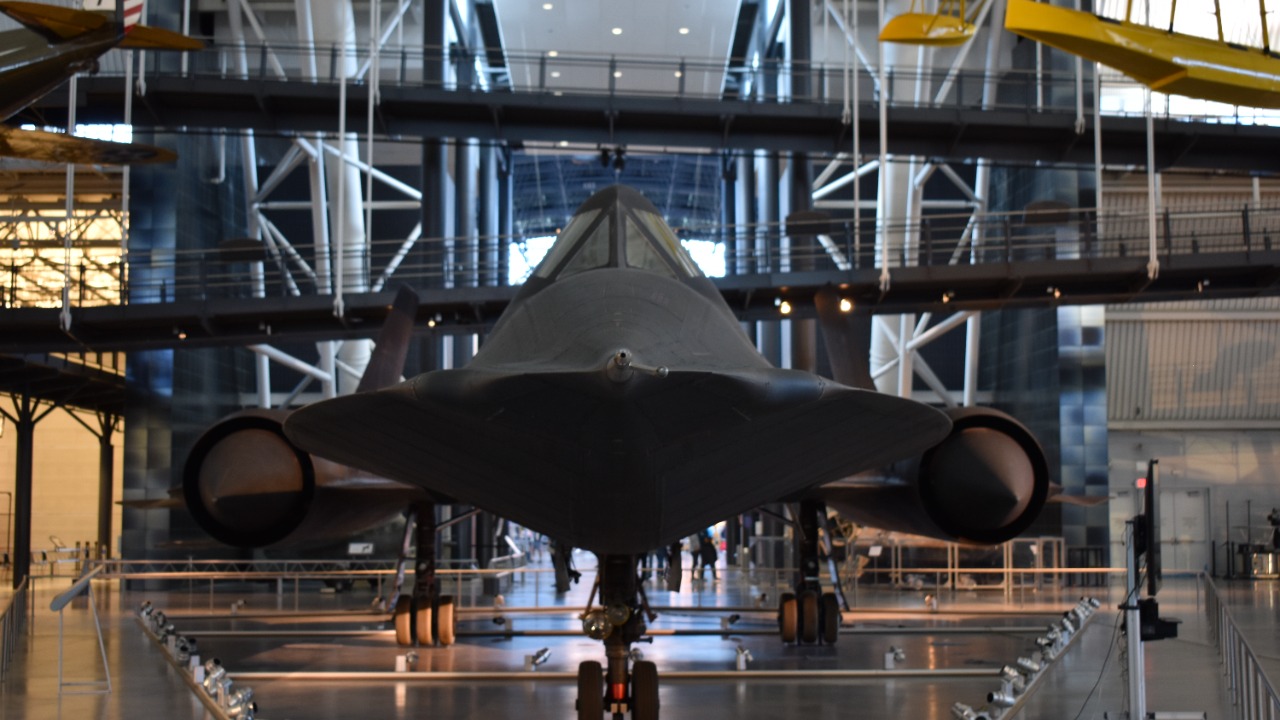
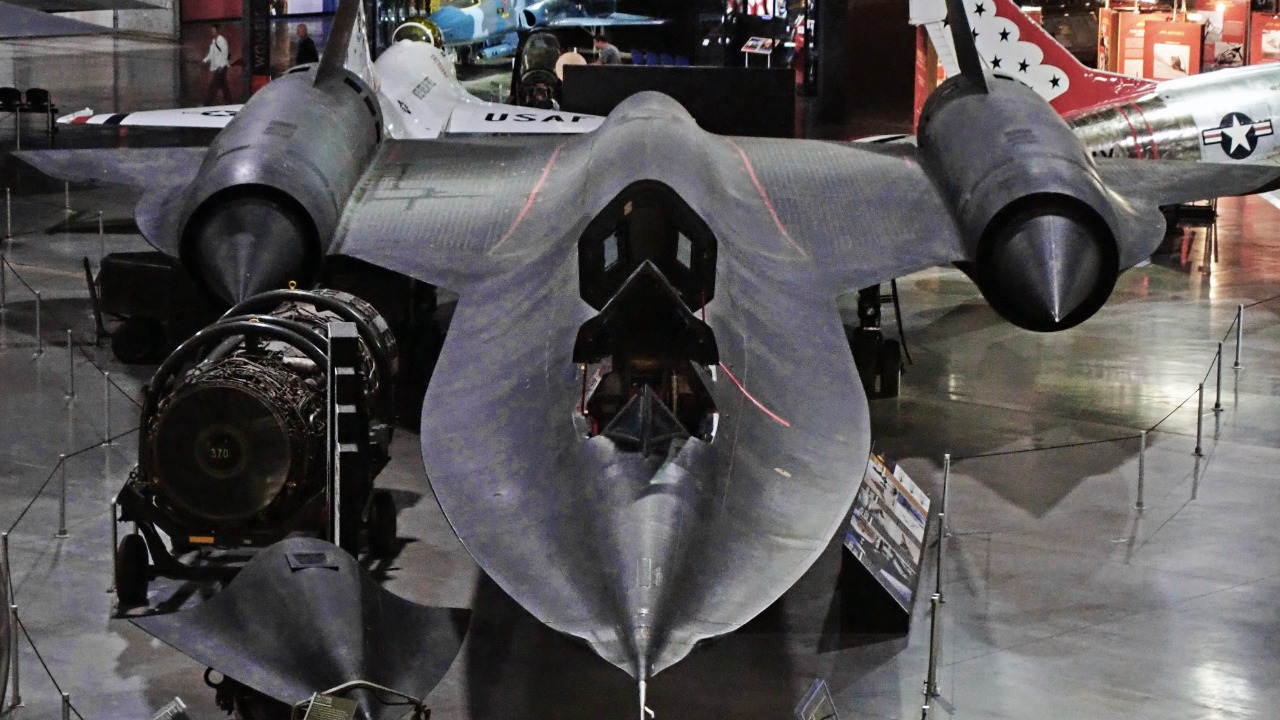
The SR-71 Blackbird was birthed from the geopolitical tensions of the Cold War, a period marked by intense rivalry between superpowers. The need for a reconnaissance aircraft capable of withstanding hostile environments and gathering intelligence at high altitudes was paramount. Lockheed Martin’s Skunk Works division took on this challenge, leading to the creation of an aircraft that would redefine aerial reconnaissance. The design of the SR-71 was ahead of its time, featuring a long, sleek fuselage, sharp pointed nose, and distinctive chines that contributed to its stealth capabilities.
Engineers faced numerous challenges in bringing the Blackbird to life. One of the most significant hurdles was developing materials that could withstand the extreme temperatures generated by flying at speeds exceeding Mach 3. Titanium was chosen for much of the aircraft’s structure due to its high heat tolerance and strength-to-weight ratio. The manufacturing process for titanium was complex and costly, yet it was essential for the SR-71’s success. Furthermore, the aircraft’s design had to account for the expansion and contraction of materials at such high speeds, necessitating precision engineering and innovative solutions.
Unmatched Speed and Performance
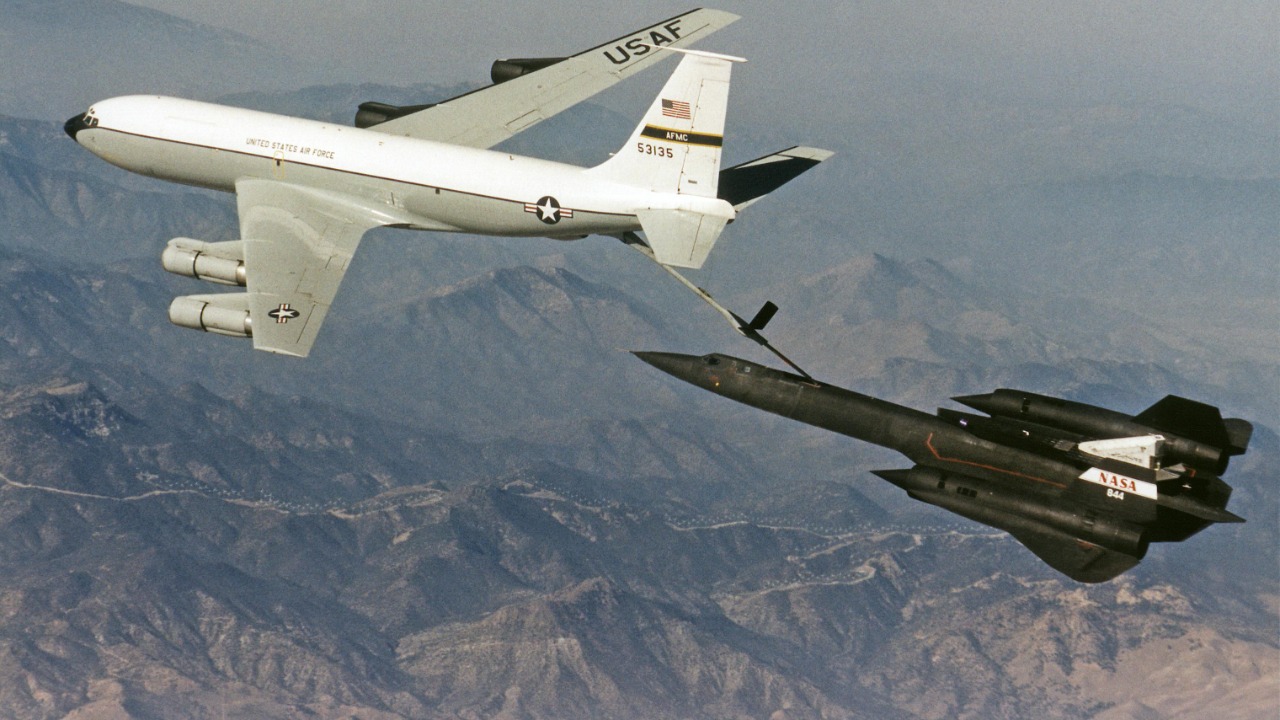
The SR-71 Blackbird set a series of records that remain unbroken. It achieved a maximum speed of over Mach 3.2, making it the fastest jet ever built. Its speed and altitude capabilities allowed it to outrun threats, effectively making it invulnerable to enemy missiles and aircraft at the time. The Blackbird’s performance was not just a testament to its design but also to the cutting-edge technology incorporated into its engine and aerodynamics. The Pratt & Whitney J58 engines, capable of producing 32,500 pounds of thrust each, were a marvel of engineering, featuring an afterburner system that allowed for sustained high-speed flight.
The technological innovations of the SR-71 extended beyond its engines. The aircraft’s unique shape was a critical factor in its performance, with the chines providing additional lift and stability at high speeds. The Blackbird’s surface was coated with radar-absorbing materials, contributing to its stealth capabilities. These advancements were critical in maintaining the aircraft’s operational security and effectiveness during reconnaissance missions. The SR-71’s engineering excellence was a precursor to modern stealth technology and set the stage for future developments in high-speed aviation.
Operational History and Strategic Impact
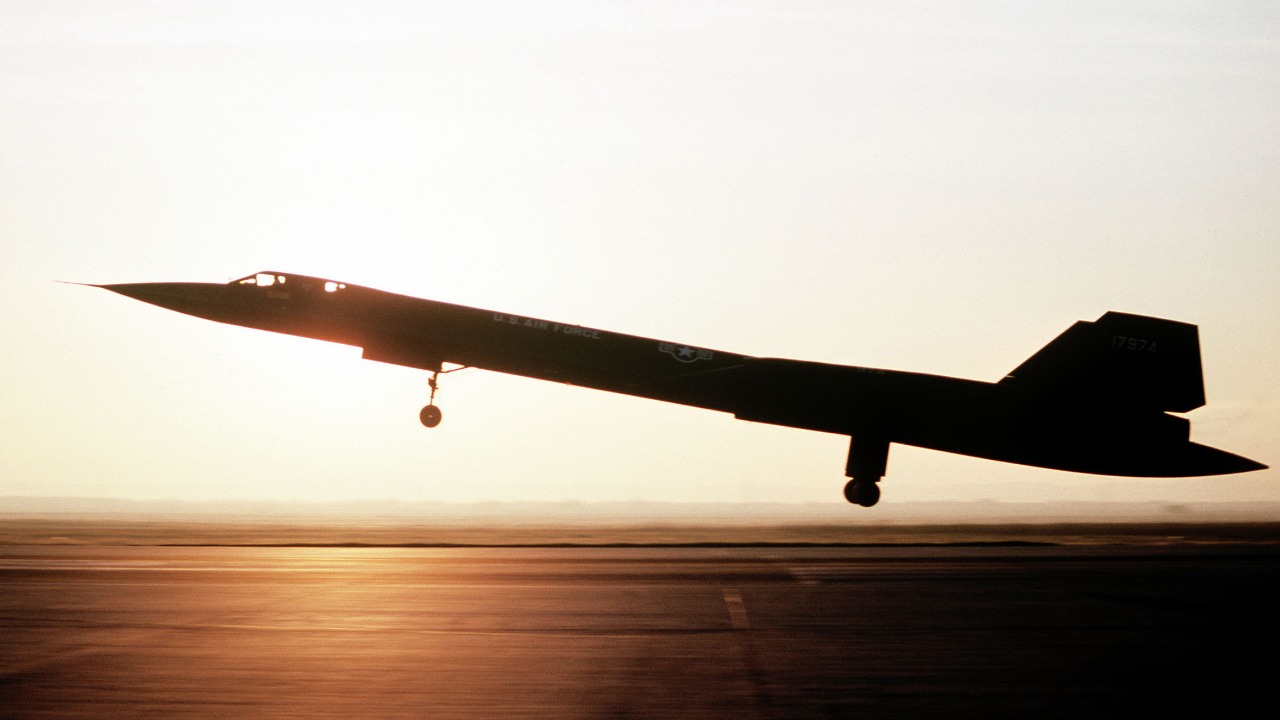
Throughout its operational history, the SR-71 Blackbird played a vital role in reconnaissance missions. It collected critical intelligence that shaped military strategies during the Cold War. Noteworthy missions included surveillance flights over the Soviet Union, Vietnam, and the Middle East, where the Blackbird’s ability to capture high-resolution imagery from extreme altitudes provided invaluable data. Despite the risks involved, the SR-71’s unmatched speed and altitude capabilities ensured that it could complete missions without interception, making it a key asset in intelligence gathering efforts.
The global influence of the SR-71 Blackbird extended beyond its reconnaissance missions. Its development and operational success inspired advancements in aviation technology and strategy worldwide. Countries around the globe took note of the Blackbird’s capabilities, leading to changes in military tactics and the design of subsequent aircraft. The SR-71’s impact on aviation history is profound, as it demonstrated the potential of high-speed, high-altitude flight and its strategic value in modern warfare.
Enduring Legacy and Cultural Icon
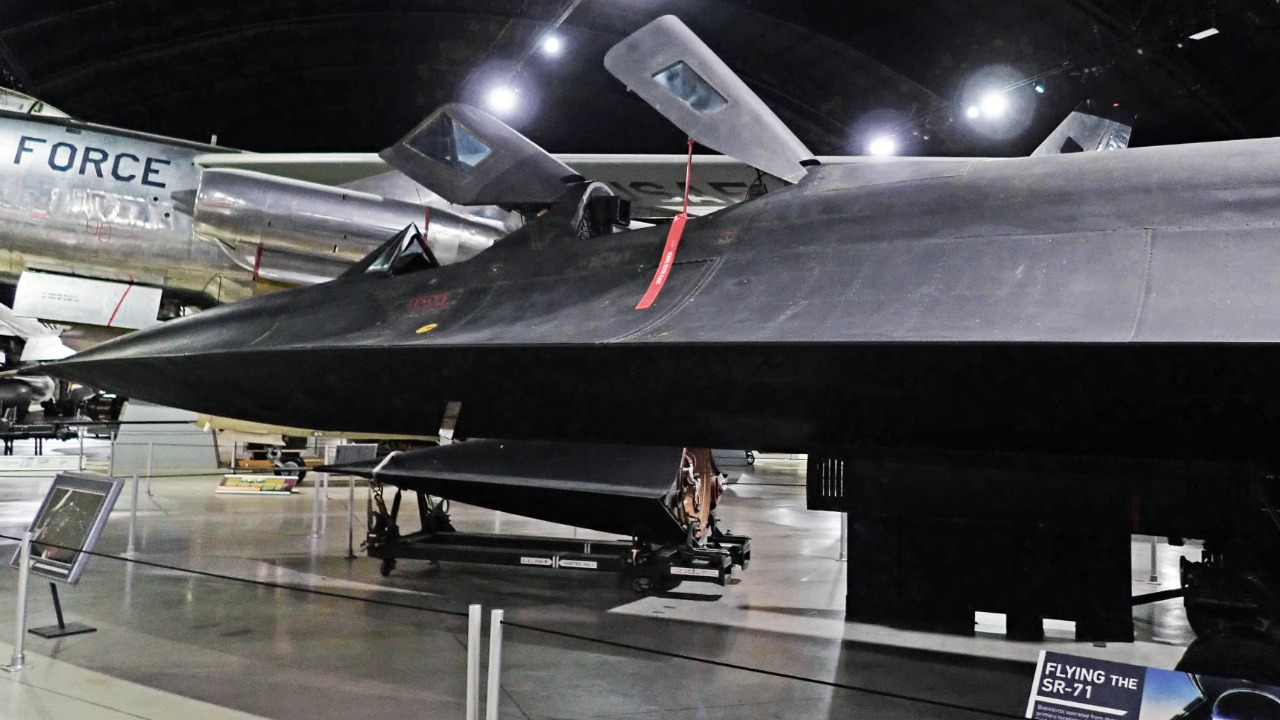
The influence of the SR-71 Blackbird on modern aviation cannot be overstated. Its pioneering technologies laid the groundwork for the development of contemporary high-speed jets and stealth aircraft. Engineers and designers continue to draw inspiration from the Blackbird’s innovative solutions, applying them to the latest generation of military and civilian aircraft. The SR-71’s legacy is evident in the ongoing pursuit of greater speed, efficiency, and stealth in aviation design.
Beyond its technical achievements, the SR-71 has become a cultural icon, capturing the public’s imagination through its appearances in films, media, and popular culture. Its sleek, futuristic design and record-breaking performance have made it a symbol of technological prowess and human ingenuity. The Blackbird’s presence in popular media, from movies to video games, has cemented its status as a legendary aircraft that continues to fascinate and inspire. The enduring fascination with the SR-71 is a testament to its iconic status and the lasting impact it has had on both aviation and popular culture.
Technological Advancements and Future Prospects
The legacy of the SR-71 Blackbird continues to influence ongoing advancements in aviation technology. The pursuit of hypersonic travel and the development of unmanned aerial vehicles (UAVs) are areas where the Blackbird’s innovations have had a lasting impact. Researchers and engineers are exploring new materials and propulsion systems that can achieve even greater speeds and efficiencies, inspired by the high-speed capabilities of the SR-71. These advancements hold the potential to revolutionize air travel and military operations, as technologies initially developed for the Blackbird find new applications in modern aviation.
As aviation technology continues to evolve, the question remains whether any aircraft can surpass the legendary speed records set by the SR-71. The future of high-speed aviation is an exciting frontier, with potential breakthroughs in propulsion and aerodynamics paving the way for a new era of flight. While the SR-71 remains the fastest plane ever built, ongoing research and development efforts may one day lead to a successor capable of achieving even greater speeds. Until then, the Blackbird’s record-breaking achievements and enduring legacy will continue to inspire the next generation of aviators and engineers.
