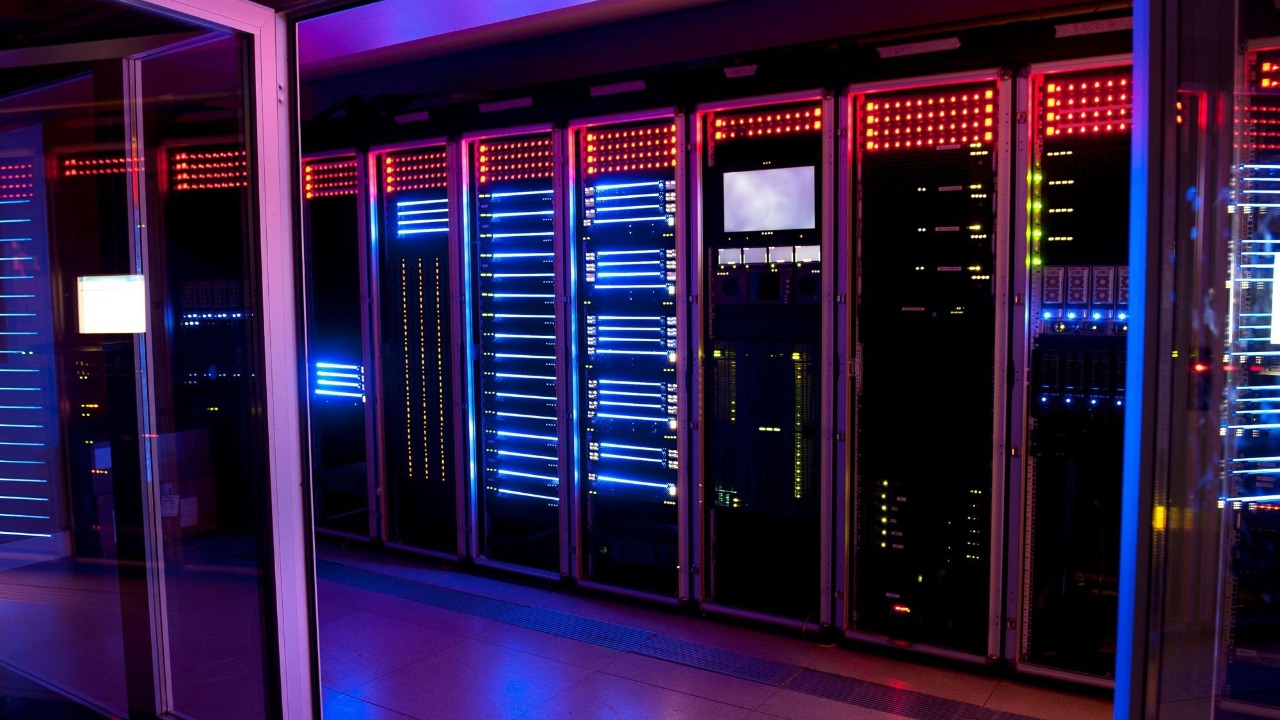

Across North America, the quiet hum of artificial intelligence is starting to sound like a roar in control rooms. Power-hungry data centers are multiplying faster than utilities can build new plants and lines, and the result is a mounting risk that the grid will not keep up. The same infrastructure that keeps homes warm and factories running is being reengineered on the fly to feed racks of servers, with regulators warning that reliability is already headed in the wrong direction.
What was once a niche concern about a few server farms has become a system wide problem. Grid planners now treat data center demand as a central driver of future risk, not a rounding error, and they are scrambling to rewrite rules, accelerate transmission projects and tap new tools to keep the lights on.
The grid’s warning lights are already flashing
In WASHINGTON, the body that oversees bulk power reliability has started to sound unusually blunt alarms about the decade ahead. In its latest Long Term Reliability Assessment, or LTRA, the North American Electric Reliability Corporation, or NERC, describes how demand growth is surging across North America while new firm generation and transmission lag behind. The group’s own resource adequacy work points to a widening gap between what the system can reliably deliver and what new loads, including data centers, are expected to require. That is a structural problem, not a one off weather story.
Independent coverage of the LTRA underscores how serious that trajectory has become. One analysis of the report notes that grid reliability is projected to decline as data centers drive demand, citing NERC’s finding that some regions could face high risk starting in 2029 if new capacity and transmission do not materialize. The watchdog’s concerns are not abstract, they are tied to specific forecasts of winter peak demand and the slow pace of new natural gas fired generators, a pattern echoed in reporting that the Grid is on a path toward more frequent shortfalls.
Data centers shift from local headache to grid level crisis
For years, utilities treated server farms as just another large industrial customer, but that framing no longer holds. A detailed industry analysis describes how, between 2021 and 2024, the primary concern was local siting and interconnection, yet by 2026 the situation had evolved into what it calls an Industry Risks scenario in which AI Electricity Demand Shifts from Data Center Problem to Grid Level Crisis. The report argues that the scale and clustering of AI facilities now threaten to overwhelm regional capacity and transmission, turning what used to be a planning nuisance into a system wide reliability challenge, a shift captured in the Industry Risks framing.
The geographic concentration of these facilities magnifies the strain. Reporting on where new AI infrastructure is being built notes that Virginia now hosts the largest data center cluster in the world, with entire counties effectively becoming digital company towns. That same coverage explains how the surge in server load is already affecting electricity prices, with residential rates up compared with a decade ago according to figures from the Department of Energy, a trend tied directly to the growth of AI data centers in those regions.
Reliability risk is rising faster than infrastructure can catch up
Grid planners are not just worried about more megawatt hours, they are worried about when and where those megawatts are needed. A separate assessment of reliability risk across North America concludes that load growth, driven largely by new data centers and other winter peaking loads, is outpacing the build out of generation and transmission. That analysis warns that Reliability risk across North America is rising as infrastructure lags, a message that aligns with NERC’s own Reliability findings.
NERC’s director of reliability assessment and performance analysis, John Moura, has tried to strike a careful balance between alarm and complacency. In explaining the latest assessment, he stressed that “This assessment is not a prediction of failure but an early warning on the trajectory of risk,” while also pointing out that many large data centers are now being asked to bring their own power sources online. His comments, captured in coverage of NERC’s assessment, underline how far the conversation has shifted, from assuming the grid will serve every new load to asking big customers to shoulder part of the reliability burden.
Utilities race to reinvent the system architecture
On the ground, utilities and regulators are experimenting with new architectures to keep up with AI era demand. One emerging strategy is to treat flexible devices and small scale resources as a kind of virtual power plant, aggregating rooftop solar, batteries and controllable loads so they can respond like a single generator. Analysts argue that, in 2026, virtual power plants must scale or risk being left behind, because rising demand and new technologies are forcing utilities to coordinate distributed energy resources more aggressively, a shift detailed in coverage of Rising demand.
Some regulators are also rethinking the role of backup generators that sit behind the fence at data centers. In New York, regulators have considered whether to allow data center diesel generators to feed power back to the grid at peak times, effectively turning what used to be idle emergency assets into a dispatchable resource. That debate, described in a detailed look at grid modernization for data center and AI loads, shows how far planners are willing to stretch traditional roles in order to keep the system balanced, with In New York emerging as a test case.
Regulators scramble to catch an unprecedented build out
Policy makers are only beginning to grasp the scale of what is being built. As of November 2025, the United States had approximately 5,427 data centers, nearly half of all data centers worldwide, and power demand from those facilities is projected to reach a significant share of total U.S. peak electricity demand. That tally, cited in a legal analysis of the emerging regulatory framework, has prompted the Federal Energy Regulatory Commission to examine how interconnection queues, cost allocation and reliability standards should adapt to a world where data centers are no longer a marginal load, a shift outlined in recent As of November filings.
State and federal officials are also responding to direct reliability warnings tied to AI. After a federal review highlighted the risk that AI data centers could push parts of the power system to the brink, the Department of Energy, or DOE, announced a new emergency order on Wednesday to bolster grid reliability. That move, described in coverage that notes how the Department of Energy stepped in Responding to the warnings, shows how quickly the issue has climbed the policy agenda, with Responding to AI driven demand now part of DOE’s emergency toolkit.
More from Morning Overview