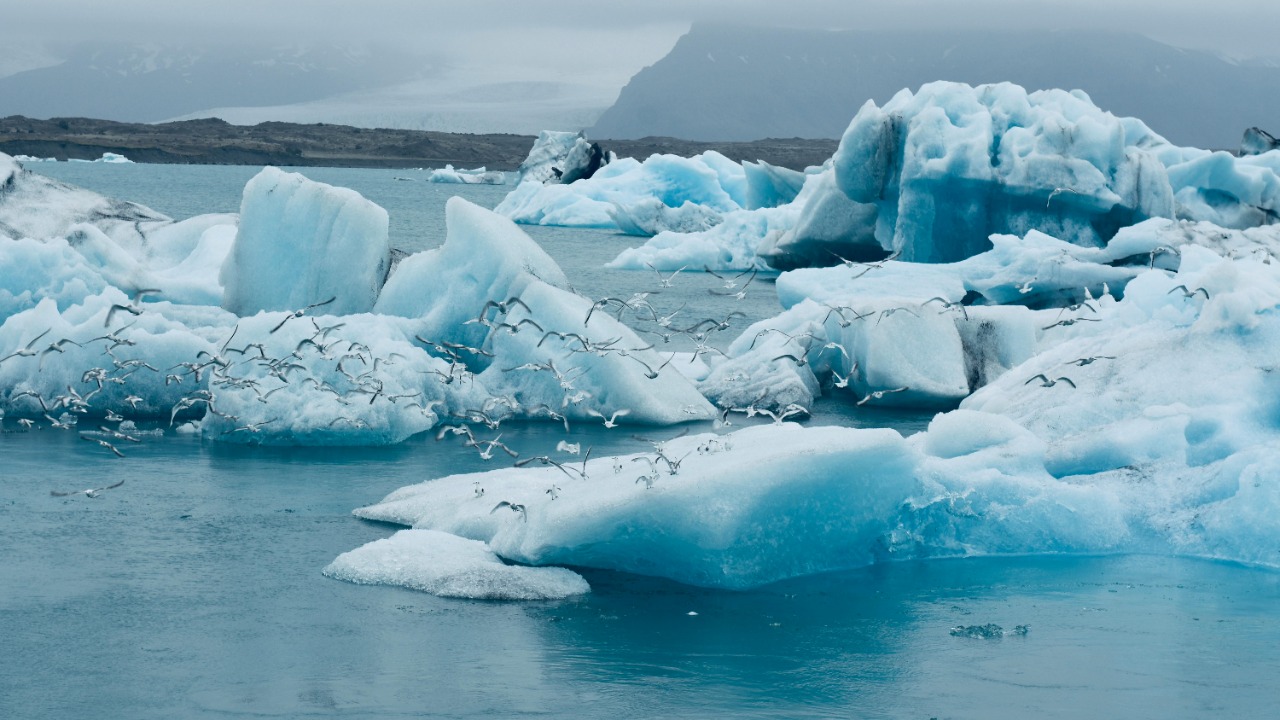

Record winter heat has turned Greenland’s climate story into an economic one, as the island’s traditional reliance on cod, shrimp and halibut collides with a rush toward buried metals and rare earths. The same temperatures that are shattering historic norms are thinning sea ice, disrupting fish stocks and at the same time exposing rock, easing access to mineral deposits that were once locked beneath permafrost. I see a country being pushed, rather than gently guided, from a sea-based livelihood toward a resource frontier that carries both promise and risk.
That pivot is not happening in a vacuum. It is unfolding in a strategic Arctic corridor, under the gaze of global powers that see Greenland not only as a climate hotspot but as a potential supplier of critical minerals for the world’s energy transition. The question is whether the island can turn record warmth into long term prosperity without sacrificing the ecosystems and communities that have defined it for generations.
Heat records and a rapidly changing Arctic
Greenland has just logged its warmest January on record, a milestone that underlines how quickly the Arctic environment is shifting. Meteorologists have noted that the island is warming nearly four times faster than the global average, a rate that is transforming what was once one of the world’s harshest environments into a far more volatile one. That acceleration is already visible in shrinking sea ice, earlier thaws and more frequent melt events across the ice sheet, all of which feed into a broader pattern of disruption in the wider Arctic.
Climate researchers have been blunt about the pace of change. As Greenland warms nearly four times faster than the rest of the world, they warn that melting ice is opening new Arctic shipping routes and exposing land that had been buried for millennia. That combination of receding ice and rising temperatures is already drawing in commercial and geopolitical interest, as governments and companies eye new access to shipping lanes and subsoil resources that were previously unreachable in As Greenland.
Fishing Industry Challenges in a warming sea
The immediate economic shock is hitting the water. Greenland’s economy has long depended on fishing, with coastal communities built around shrimp trawlers, halibut longliners and cod processing plants. Record warmth is changing that equation, as thinner sea ice and shifting ocean temperatures alter where fish can thrive and when they can be caught. Earlier this year, local officials warned that the shift could have major consequences for Greenland’s economy, which heavily depends on fishing, and that the fishing industry, particularly shrimp and halibut, is already feeling the effects of the new climate reality in Greenland.
Those pressures are not abstract. Warmer waters can push key species northward or deeper, forcing vessels to travel farther and burn more fuel, while unpredictable ice conditions complicate traditional hunting and small scale fishing. In Nuuk, the capital, the conversation has already shifted from how to protect the status quo to how to replace it, as policymakers confront what one analysis framed as Fishing Industry Challenges that will only intensify if warming continues. I see a sector that once felt like a stable backbone of the Economy now grappling with the reality that the climate it relied on no longer exists.
From the ice sheet to the ore body: minerals move to the center
As fishing falters, mining is moving from the margins of Greenland’s development plans to their core. Earlier this year, a senior scientist at the Danish Meteorological Institute summed up the trend by saying, “From the records we can see that it is warming four times faster than the mean temperature hike in the world,” before noting that the warm weather means sea ice extends less far south and that this could open up access to resources quite soon in From the. That warming is literally stripping away the physical barriers that once made large scale extraction prohibitively expensive.
Geologists have long known that beneath what can look like a frozen wasteland lie significant deposits of iron ore, lead, zinc, gold, uranium and rare earth elements. As the Arctic ice continues to melt due to global warming, Greenland’s mineral and energy resources, including those metals and hydrocarbons, are becoming more accessible to investors who see them as a way to support both local development and the needs of a rapidly aging population in As the Arctic. That shift is already visible in exploration licenses and feasibility studies that treat melting permafrost not as a warning sign but as a cost saving factor.
Rare earths, strategic rivalry and the USGS factor
Minerals are not just a local story, they are a strategic one. Greenland ranks eighth in the world for rare earth reserves, with 1.5 m tons identified so far, and is home to two rare earth deposits that are considered especially significant for future supply chains. Analysts at the Center for Strategic and International Studies have pointed out that these reserves sit at the intersection of energy transition demand and Arctic security concerns, since they could help diversify supplies away from existing dominant producers in Greenland. That combination explains why foreign governments and companies are paying close attention to licensing decisions in Nuuk.
Washington is part of that picture. The United States Geological Survey’s Mineral Resources Program has been mapping and assessing critical mineral potential worldwide, and Greenland’s deposits feature in that broader effort to secure supplies of rare earths, nickel and other inputs for clean energy technologies. By cataloguing where these resources are and how they can be developed responsibly, the mineral resources initiative gives policymakers a clearer view of how Greenland fits into global supply chains. I see that technical work feeding directly into strategic debates about how far the United States and its allies should go in supporting new mines on the island.
Local politics, foreign interest and the conundrum of self rule
Inside Greenland, the economic pivot is wrapped up in questions of autonomy and social welfare. Revenue from the exploitation of such resources is expected to benefit self government and to reduce subsidies from Denmark, which still provides a large share of the island’s public budget. That prospect has made mining attractive to some political leaders who see it as a path to greater independence, even as others worry about environmental damage and social disruption from large scale projects in Revenue. The debate is not simply about money, it is about what kind of society Greenland wants to be as it navigates climate change.
Foreign interest adds another layer of complexity. Analysts at the Center for Strategic and International Studies have described Greenland’s mineral riches as a focal point for larger geopolitical competition, noting that the Center for Strategic and International Studies, or CSIS, has highlighted how rare earths and other deposits could reshape security dynamics in the North Atlantic in CSIS. In Washington, President Donald Trump has publicly signaled interest in Greenland’s strategic position and resources, a theme that resurfaced in a recent discussion of how Greenland may look like a frozen wasteland but beneath its ice lies one of the most geopolitically and climatically significant resource bases in Greenland. I read those signals as a reminder that every local decision on licensing or environmental standards will be scrutinized far beyond Nuuk.
More from Morning Overview