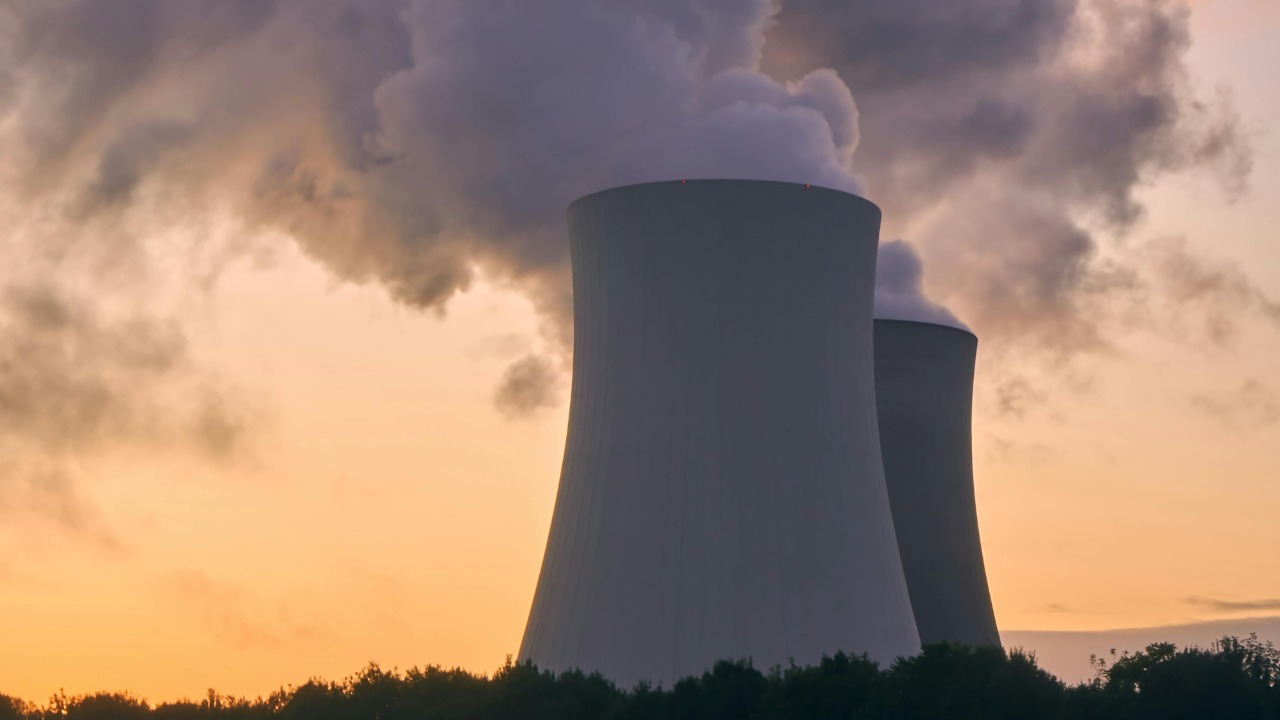

Google is betting that nuclear power can keep its fast‑growing AI empire running without blowing its climate targets, even as critics warn about accident risks and radioactive waste. The company is backing the restart of an idled U.S. reactor and says modern engineering, tougher regulation and new designs can withstand the kinds of disasters that haunt public memory. Its wager is that the safest path through the coming electricity crunch is not away from nuclear, but deeper into it.
That choice puts Google at the center of a broader shift in how tech giants source power, and it raises a blunt question for communities near old plants: how much risk is acceptable to keep the lights on for data centers. I see the Duane Arnold project in Iowa as a test case for whether corporate climate promises, grid reliability and local safety concerns can be reconciled in practice rather than just in glossy sustainability reports.
Google’s Iowa restart bet and the AI power crunch
At the heart of the strategy is a plan by Google and NextEra Energy to bring the Duane Arnold Energy Center in Iowa back into service to feed electricity‑hungry data centers. Google has signed an agreement with NextEra Energy that, according to Google Has Deal, is structured to support the restart of the Duane Arnold Nuclear Plant while also strengthening local grid reliability. Separate reporting on Google notes that the company says it is planning to partner with utility company NextEra Energy to reopen Iowa’s only nuclear power plant as demand from AI data centers continues to grow.
The financial and industrial muscle behind the restart is significant. A social media post on the project highlights that $170 billion market cap NextEra Energy is described as the world’s largest electric utility and will lead a $1.6 billion revival of the site. For Google, that scale is not just about one plant in Iowa, it is about proving that large‑scale nuclear can be integrated into corporate power portfolios as AI pushes electricity demand sharply higher.
From one plant to a national nuclear collaboration
Google is not treating Duane Arnold as a one‑off experiment. The company and NextEra have framed the Iowa restart as part of a broader push, with a joint statement titled Energy and Google Announce New Collaboration to Accelerate Nuclear Energy in the U.S. That collaboration, described again in a separate release as Energy and Google Announce New Collaboration to Accelerate Nuclear Energy, positions nuclear not as a legacy asset but as a growth technology in Google’s decarbonization toolkit.
Investors are already being told to watch this shift. An analysis of Google, NextEra and the latest restart describes Google as Behind Latest Nuclear alongside NextEra, with Rising electricity demand flagged as a key trend for investors to watch. A separate industry note on NextEra’s strategy stresses that with its newest press release, NextEra considers new in the form of restarts, uprates and entirely new facilities, underscoring that Duane Arnold fits into a much larger build‑out of nuclear power generation facilities.
Safety fears, disaster memories and Google’s risk argument
Public unease about nuclear accidents is the biggest political obstacle to this strategy, and Google knows it. The company is effectively arguing that modern plants, operated by experienced utilities, can withstand the kinds of disasters that scarred earlier generations. In Iowa, the Duane Arnold site is being presented as a way to meet surging data center demand while also improving resilience of the local grid, a point highlighted in coverage of Restart Duane Arnold, which notes that NextEra Energy said technology giant Google has signed a deal that will support the restart while also strengthening local grid reliability.
Critics point out that no amount of engineering can reduce risk to zero, and they worry about what happens if a reactor supplying AI data centers is hit by flooding, cyberattacks or operator error. Those concerns are sharpened by the fact that Google is not alone in this push. Reporting on tech companies’ energy plans notes that Google has joined Microsoft in plans to restart U.S. nuclear plants to power AI infrastructure, and that same report, cited again in a separate link on Oct, underscores that this is becoming a sector‑wide template rather than an isolated experiment.
New nuclear designs and the Kairos Power partnership
To answer safety and cost concerns, Google is also backing new reactor designs that promise to behave very differently in an emergency. The company has partnered with Kairos Power in a deal described as Google and Kairos Power Partner to Deploy 500 M of Clean Electricity Generation, a figure repeated in a more detailed description of the agreement where Google and Kairos Power Partner to Deploy 500 M of Clean Electricity Generation in a FOR IMMEDIATE RELEASE. In its own sustainability blog, Google frames this as a continuation of its history, noting that Since pioneering the first corporate purchase agreements for renewable electricity over a decade ago, Since Google has played a pivotal role in scaling clean power to unlock the potential of AI for everyone.
The Kairos reactors are part of a broader wave of advanced nuclear projects that aim to set a new benchmark for safety and cost. A review of nuclear trends for the coming years argues that Palisades Restart in Michigan will be a major benchmark for global cost and safety standards, and that same analysis, cited again as Dec, links nuclear restarts directly to data center demand for electricity. In that context, Google’s bet on Kairos looks less like a side project and more like an attempt to shape the next generation of nuclear technology that could eventually replace or supplement older plants like Duane Arnold.
Communities, jobs and the new nuclear geography
For the towns that host these facilities, the nuclear revival is as much about jobs and tax base as it is about climate policy. A separate example in Pennsylvania shows how this plays out. In LONDONDERRY, a release from Sept explains that Constellation (Nasdaq: CEG) announced the signing of a 20‑year power purchase agreement as part of its plan to launch the Crane Clean Energy Center, with the company describing it as its largest‑ever such deal and highlighting the role of Constellation (Nasdaq: CEG) in restoring jobs and carbon‑free power to the grid. That kind of framing is likely to be echoed in Iowa as Duane Arnold moves from concept to construction, with local leaders weighing the promise of high‑paying work against long‑term safety oversight.
Google’s nuclear push also sits within a wider map of sensitive energy infrastructure. The Duane Arnold site itself is catalogued in public databases such as the entry for the facility at /m/06dtcn, which underscores how closely these plants are tracked by regulators and researchers. At the same time, defense‑related projects like Project Pele, a mobile microreactor effort by the U.S. Department of Defense, show that nuclear power is being reconsidered not just for civilian grids but for military energy security as well. For communities near Duane Arnold, that broader context may cut both ways, reinforcing the sense that nuclear is back for the long haul while also reminding residents that they live next to infrastructure treated as strategically vital.
More from Morning Overview