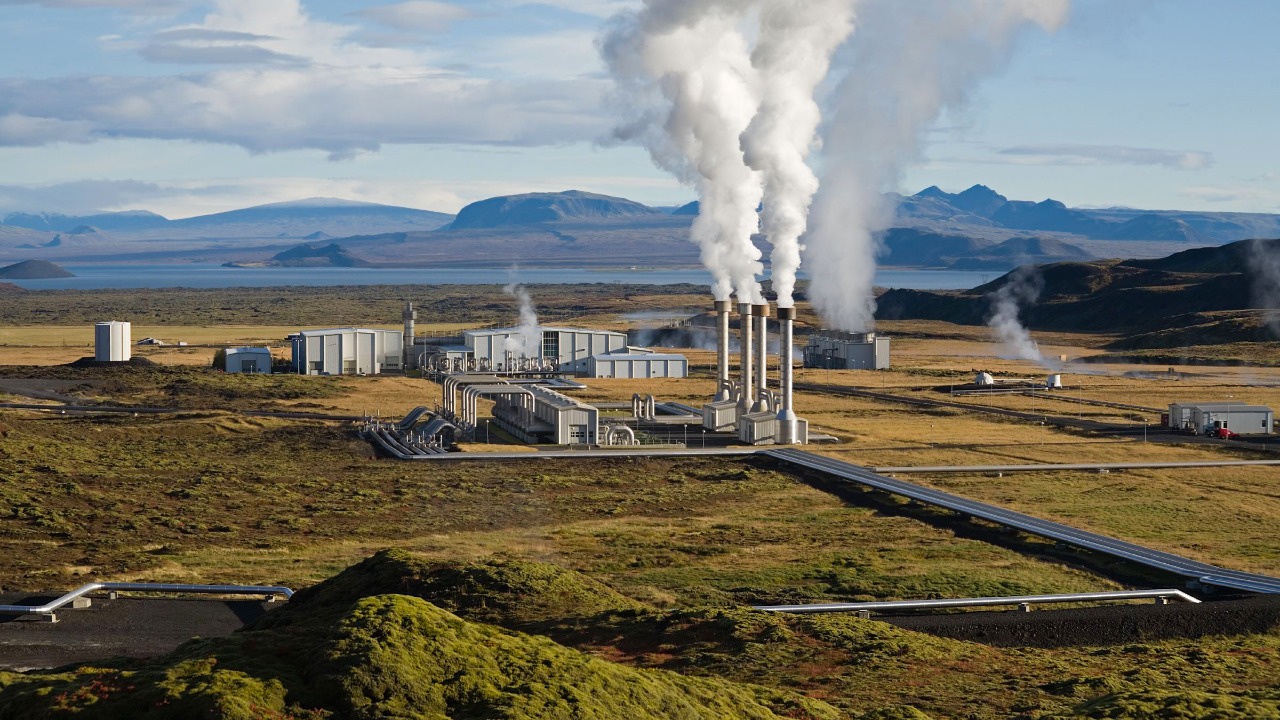

Artificial intelligence is colliding with the limits of the power grid, and the race is on to find firm, low carbon electricity that can scale as fast as new data centers. A growing body of research now argues that next generation geothermal could outcompete nuclear and coal for this role, while cutting overall fossil fuel spending by as much as 60% when it is deployed as part of a broader clean energy system. If that vision holds, the hottest energy source for AI may come from deep underground rather than from new reactors or more coal trains.
Instead of intermittent wind or solar, geothermal offers round the clock output that looks a lot like the baseload power AI operators already buy, but without the carbon or fuel price risk. I see a convergence between drilling innovations, data center siting, and new grid models that could make geothermal the default choice for powering AI clusters over the next decade.
The AI power crunch is arriving faster than the grid
Electricity demand from AI data centers is rising so quickly that even conservative forecasts show it outpacing new generation in several regions. One analysis of the emerging “enhanced geothermal data center corridor” warns that the timing is “urgent,” with data center load growing faster than planned capacity and some geothermal projects able to move from lease to power in as little as 18 months, according to Jul. That kind of timeline matters when hyperscalers are announcing multi gigawatt campuses years before utilities can build new transmission.
The build out is visible on the ground. In Sulphur Springs, for example, plans call for 30 AI data centers on a single campus, with msb Global already breaking ground on a multimillion dollar build that will start drawing power in 2026. Projects like this are being replicated across the United States and Europe, and they are forcing a hard choice between doubling down on fossil baseload, waiting for new nuclear, or tapping firm renewables that can be built at data center speed.
Why geothermal can beat nuclear and coal for AI
Geothermal’s strongest advantage in the AI race is that it behaves like a traditional baseload plant while sharing the low emissions profile of wind and solar. A recent study led by Mark Jacobson finds that heat from deep underground can help countries transition to 100% clean energy while maintaining grid stability, which is exactly what AI operators need to keep clusters online. Unlike nuclear, which can take a decade or more to permit and build, enhanced geothermal systems can be drilled and connected on timelines measured in a few years, using supply chains that already exist in the oil and gas sector.
Coal, by contrast, faces mounting policy, financing, and carbon risk, and it still depends on a volatile fuel supply that must be mined, transported, and burned for every megawatt hour. A separate Stanford linked analysis of enhanced geothermal systems, or EGS, argues that, With the proliferation of AI data centers, geothermal could be one of the best ways to displace nuclear and coal in the power mix. That work, associated with Stanford, also concludes that replacing fossil generation with a portfolio that includes geothermal can cut fossil fuel costs by up to 60%, a system wide saving that makes coal and nuclear look increasingly uneconomic for AI workloads.
Cost and efficiency: the 60% question
The 60% figure does not come from geothermal alone suddenly becoming that much cheaper than every other technology, but from the way it fits into a broader clean energy system. In the Stanford linked modeling, enhanced geothermal is one of several firm, low carbon resources that allow grids to retire coal and reduce reliance on gas, which slashes fuel purchases and associated infrastructure by as much as 60% compared with a fossil heavy baseline, according to EGS scenarios. Because geothermal plants do not buy fuel, their operating costs are dominated by maintenance and financing, which become more attractive as drilling and completion techniques improve.
On the project level, new designs are already demonstrating high efficiency and competitive costs. In Germany, a first of its kind closed loop system uses a pressurized subsurface fracture to push water through a Pelton turbine and achieves 70 to 75% round trip efficiency, a level that makes it viable as a flexible, dispatchable resource. Another report focused on AI infrastructure finds that geothermal can power data centers at costs that are already competitive with natural gas, especially when developers can co locate projects with large loads, according to Click findings from From Core to Code, Powering the AI with Geothermal Energy.
From niche to necessary: new geothermal tech scales up
For AI operators, the most important shift is that geothermal is no longer limited to rare volcanic hotspots. Enhanced geothermal now borrows drilling and stimulation techniques from the oil and gas sector, including hydraulic fracturing, to create artificial reservoirs in hot dry rock, according to Enhanced project descriptions. That same reporting notes that The AI boom is already driving a massive geothermal revival, with developers arguing that the technology is poised to go from niche to necessary as data center loads climb.
Real projects are starting to validate that claim. In Alberta, Operations on the first of four closed loop geothermal “loops” are nearly complete, with the developer planning to start construction on a second loop that will produce more electricity in summer when cooling demand peaks, according to Oct project updates. These systems circulate fluid through sealed pipes rather than relying on naturally permeable rock, which opens up vast new areas for development and gives operators more control over output, a key requirement for AI campuses that cannot tolerate outages.
How much AI demand can geothermal really cover?
The central question for planners is not whether geothermal works, but how much of the AI surge it can realistically supply. One detailed assessment of data center markets finds that Geothermal can meet 100% of anticipated data center demand growth in 13 of the 15 largest markets when paired with the most promising cooling technologies, and can cover overall electricity needs in 20 of 28 markets nationally. Another report focused specifically on AI concludes that geothermal could meet 64% of AI energy demand in a high growth scenario, provided that next generation projects become commercially viable at scale, according to Report Shows Geothermal Energy Demand Boom findings By Haley Zaremba in the afternoon CDT.
Investment trends are starting to line up with those technical findings. One analysis notes that The AI Boom Fuels New, with developers positioning projects to meet data center demand growth by the early 2030s as AI clusters seek 24/7 clean power. Another report from Sep emphasizes that The AI driven load is already reshaping geothermal project pipelines, pushing developers to target regions with strong grid connections and favorable geology. Taken together, these studies suggest that while geothermal will not carry the entire AI burden alone, it is on track to supply a majority share of new demand in key markets, while helping to cut fossil fuel costs across the system by up to 60% as coal and gas plants are retired.
More from Morning Overview