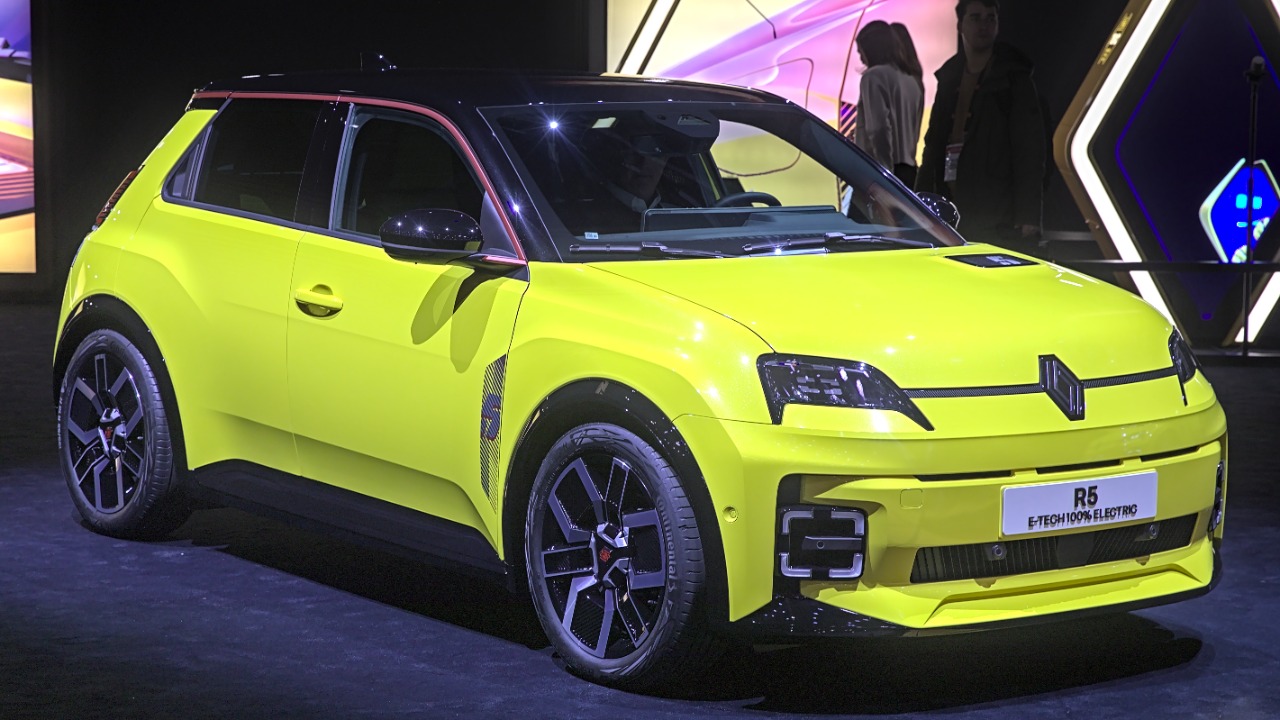

For the first time, drivers across Europe are buying more electric cars than gasoline models, a tipping point that signals the continent’s long era of petrol dominance is starting to fracture. The shift is not a blip in a single month’s data but the result of years of policy, investment, and consumer frustration with volatile fuel prices converging at scale. As electric vehicles move from niche to normal, the balance of power in the auto industry, and in Europe’s energy system, is beginning to tilt away from fossil fuels.
The numbers behind this change are stark. Battery models have climbed from single‑digit shares to a substantial slice of the market, while traditional engines are losing ground even as overall car sales inch upward. The question now is not whether the gas era is ending in Europe, but how quickly the new electric order will reshape everything from factory jobs to charging networks and cross‑border energy flows.
The month Europe’s EVs pulled ahead of petrol
The symbolic break with the gasoline past came when Sales of all‑electric vehicles in Europe overtook gasoline‑only cars in December, a milestone that would have sounded fanciful a decade ago. Multiple datasets show battery models edging ahead of petrol in that month’s registrations, confirming that the crossover was not confined to a single country but reflected a region‑wide shift. Analysts quoted around the figures argued that this was less a sudden revolution than the visible crest of a wave that has been building through years of subsidies, emissions rules, and model launches.
By the end of the year, that monthly surge had translated into a full‑year lead for plug‑in cars over pure gasoline models in the Electric vehicle market of the European Union. Reporting on 2025 registrations shows that electric vehicle sales in the European Union surpassed gasoline‑powered cars for the first time, even as hybrids and diesel models continued to occupy significant niches. Educational explainers on the same trend describe how Sales of electric cars outpaced gas autos in Europe, with December volumes far above the same month in 2024, underlining that this was a structural acceleration rather than a statistical quirk.
From niche to nearly a fifth of the market
Behind the headline moment sits a steady climb in electric market share that has transformed Europe’s car landscape in just a few years. Across the European Union, New car registrations increased by 1.8% in 2025, a modest rise that masks a much sharper pivot in what people are buying. Battery‑electric cars accounted for a 17.4% market share, according to the same registration data, meaning that nearly one in five new vehicles sold in the bloc now runs without a combustion engine. That growth has been particularly strong in large markets such as Germany, where the figures highlight double‑digit percentage increases in battery‑electric registrations.
Zooming out to the wider continent, Europe‘s battery‑electric car market closed 2025 at a 19% average share, up 4 percentage points from 2024, a pace of change that would be dramatic in any consumer sector, let alone one as capital‑intensive as autos. A parallel release on the same dataset confirms that Europe‘s battery‑electric share rose by those 4 percentage points in 2025 compared with 2024, underscoring that the December crossover was built on a broad, year‑long expansion. Globally, the International Energy Agency notes that Electric car sales exceeded 17 million in 2024 and that more than 20% of new cars sold worldwide were electric, placing Europe’s roughly one‑fifth share squarely in line with the global frontier of adoption.
Hybrids, laggards and the uneven map of adoption
Even as pure battery cars surge, the transition is not uniform across technologies or borders. Across 2025, Across the European Union, hybrids reigned as the most popular new‑car choice, reflecting how many buyers still prefer a stepping‑stone technology. These hybrid models are widely Considered a bridge towards full electrification, especially in markets where charging infrastructure is patchy or apartment living makes home charging difficult. Petrol remains popular in parts of southern and eastern Europe, where incomes are lower and used imports still dominate, even as wealthier northern states pull ahead.
The geographic split is stark in comparative charts of Europe for the leaders and laggards in electric vehicle sales. Nordic countries that invested early in charging infrastructure and tax breaks sit at the top of the table, while some larger economies that moved more cautiously trail behind. Analysts point out that where governments and utilities have heavily invested in infrastructure, sales have been boosted, while countries that left charging to the market are now scrambling to catch up. That divergence is mirrored globally, where Top findings from one quarterly review show that Total BEV sales globally increased by 35% in Q3 2025 compared to the previous year, with France, Germany, Italy and Spain among the key contributors to that growth.
Policy muscle, data and the global context
Europe’s electric surge is not happening in a vacuum, it is the product of deliberate policy choices and a global race among manufacturers. The International Energy Agency’s Global outlook highlights how national targets, emissions standards and corporate strategies by original equipment manufacturers (OEMs) have pushed more electric models into showrooms each year. In Europe, those rules have combined with high fuel prices and urban clean‑air zones to make combustion cars less attractive. At the same time, global brands from the United States, Europe and Asia are racing to capture market share, with Chinese manufacturers such as BYD aggressively expanding their European presence through competitively priced models.
Underpinning the policy debate is a dense web of data that tracks how quickly buyers respond to incentives. Academic work on subsidies and uptake notes that Total new vehicle registration figures are collected from the European Automobile Manufacturers Association, with the European Automobile Manufacturers Association (ACEA) data cross‑checked against Eurostat to ensure accuracy. That same European Automobile Manufacturers dataset underlies many of the charts now circulating on social media that show electric lines crossing gasoline ones. It is also the basis for the ACEA’s own update that new EU car registrations rose by 1.8% in 2025 and that battery‑electric cars reached a 17.4% market share, figures that policymakers now cite as evidence that subsidies and standards are working.
What Europe’s tipping point means for the rest of the world
Europe’s crossover moment is already reverberating far beyond its borders, especially in markets where electric sales have stalled. Coverage comparing regions notes that European Union buyers are embracing EVs even as sales in the United States soften, a divergence that reflects different fuel prices, policy signals and consumer attitudes. Commentators in that reporting argue that American shoppers are more sensitive to upfront price and charging anxiety, while European drivers are increasingly accustomed to low‑emission zones and high petrol taxes that tilt the economics towards electric. For global automakers, that means Europe is becoming the primary proving ground for mass‑market EV strategies, while the United States risks ceding technological leadership.
The psychological impact of the crossover is also shaping how industry insiders talk about combustion engines. One widely shared analysis framed the December figures with the blunt line that Finally Outsell Gas in Europe For The First Time, adding that Dead petrol engines should not surprise anyone anymore. Another piece on the same theme stressed that Europe For The has seen EVs finally outsell gas cars, a phrasing that captures how long the industry has anticipated this moment. Other explainers underline that Europe EV sales overtook gas cars in December and that Europe for the first time has crossed that line, with analysts from the Center for Strategic & International Studies quoted on what it means for climate goals.
More from Morning Overview