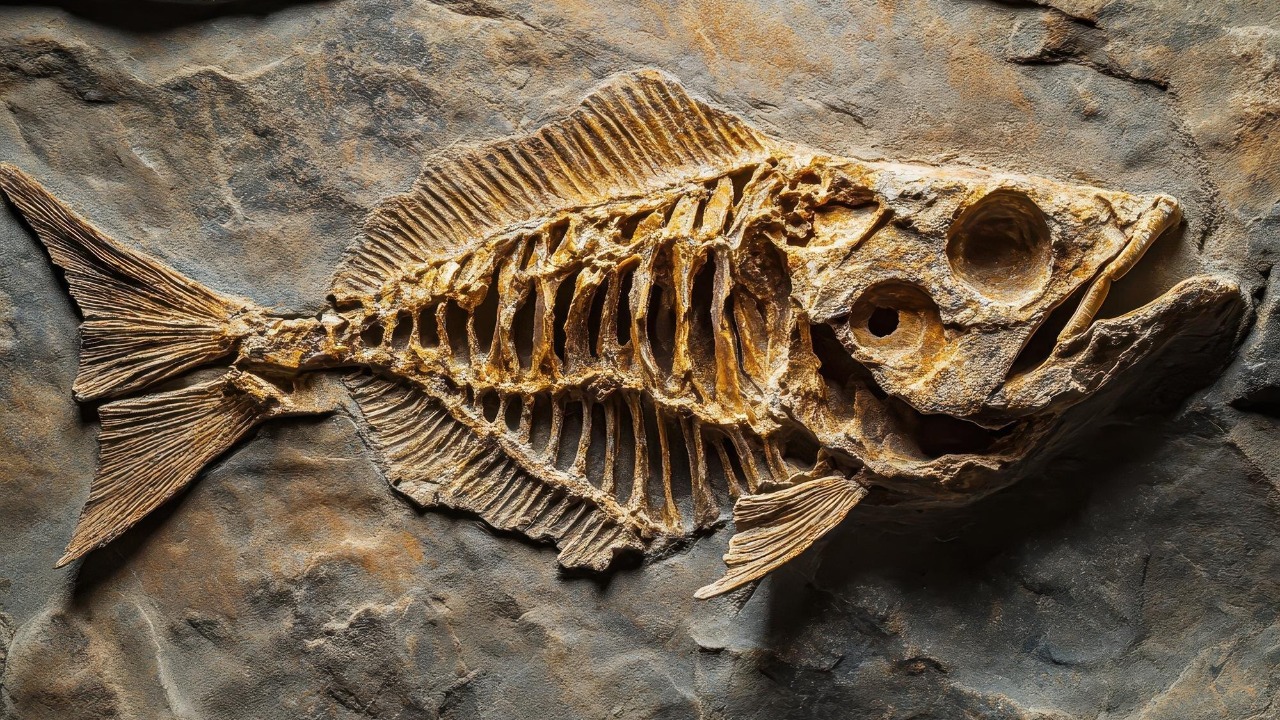

The discovery of tiny fossilized ear bones from the prehistoric fish Acronichthys maccognoi has challenged long-held views on the evolution of freshwater fish species in North America, such as catfish. These ancient structures provide new insights into adaptations for freshwater environments, pushing back timelines for key evolutionary milestones. A related 15 million-year-old fish fossil, preserved with its last meal still in its stomach, underscores the rarity of such detailed prehistoric preservation.
The Significance of Ear Bones in Fish Fossils
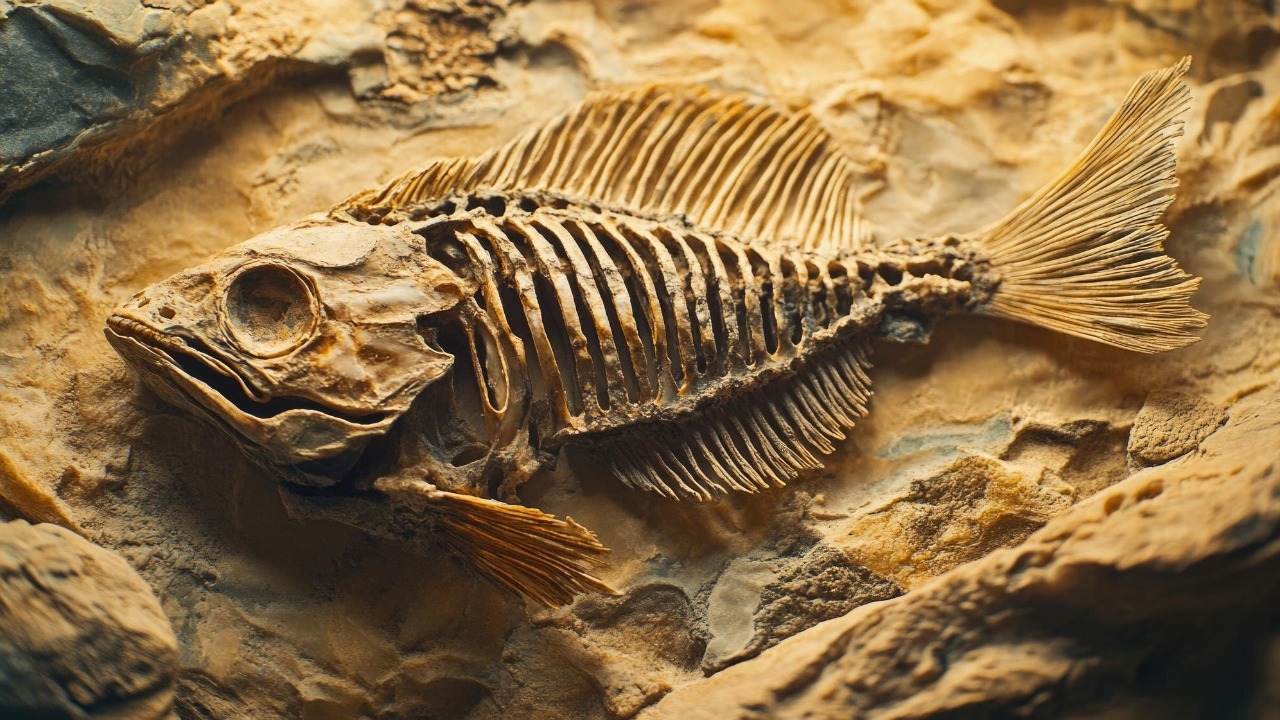
Ear bones, or otoliths, are crucial for understanding fish locomotion, hearing, and environmental adaptations in prehistoric species. These tiny structures can reveal a wealth of information about the life and times of ancient fish. The otoliths from Acronichthys maccognoi, for instance, demonstrate unique structures that indicate early transitions to freshwater habitats (Bioengineer.org).
These tiny fossilized ear bones are rewriting the history of freshwater fish by revealing previously unknown diversification patterns in North American lineages (Phys.org). This discovery challenges our understanding of how freshwater species like catfish developed and adapted over millions of years.
Notably, otoliths are among the few parts of a fish that fossilize well, making them invaluable to paleontologists. Their unique shape and size can help identify the species of fish they belonged to, even when other parts of the fish are not preserved. In the case of Acronichthys maccognoi, the otoliths were instrumental in identifying the species and its evolutionary significance (Bioengineer.org).
Furthermore, the otoliths of Acronichthys maccognoi have provided a unique opportunity to study the evolution of hearing in fish. The structures of these ear bones suggest that this species had developed specialized adaptations for detecting sound in freshwater environments, a significant finding in understanding the evolution of sensory systems in fish (Phys.org).
Discovery of Acronichthys maccognoi

Acronichthys maccognoi is a newly identified prehistoric fish species linked to catfish evolution. This identification was made possible through the analysis of its fossilized remains, including its unique ear bones (Earth.com). These tiny ear bones were found in North American deposits, offering direct evidence of ancient freshwater colonization.
The ear bones of Acronichthys maccognoi are key to tracing evolutionary shifts in fish morphology. Their unique structure and composition provide a window into the past, revealing how this species and others like it adapted to life in freshwater environments (Bioengineer.org).
The discovery of Acronichthys maccognoi was made in North America, a region rich in fossil deposits. The region’s geological history, characterized by periods of marine transgression and regression, has resulted in a diverse array of fossilized organisms, including fish. The discovery of Acronichthys maccognoi adds to the region’s paleontological significance (Earth.com).
Moreover, the discovery of Acronichthys maccognoi’s otoliths in freshwater deposits is particularly significant. It suggests that this species was among the early colonizers of freshwater habitats, providing a new perspective on the history of freshwater ecosystems in North America (Bioengineer.org).
Evolutionary Implications for Freshwater Fish
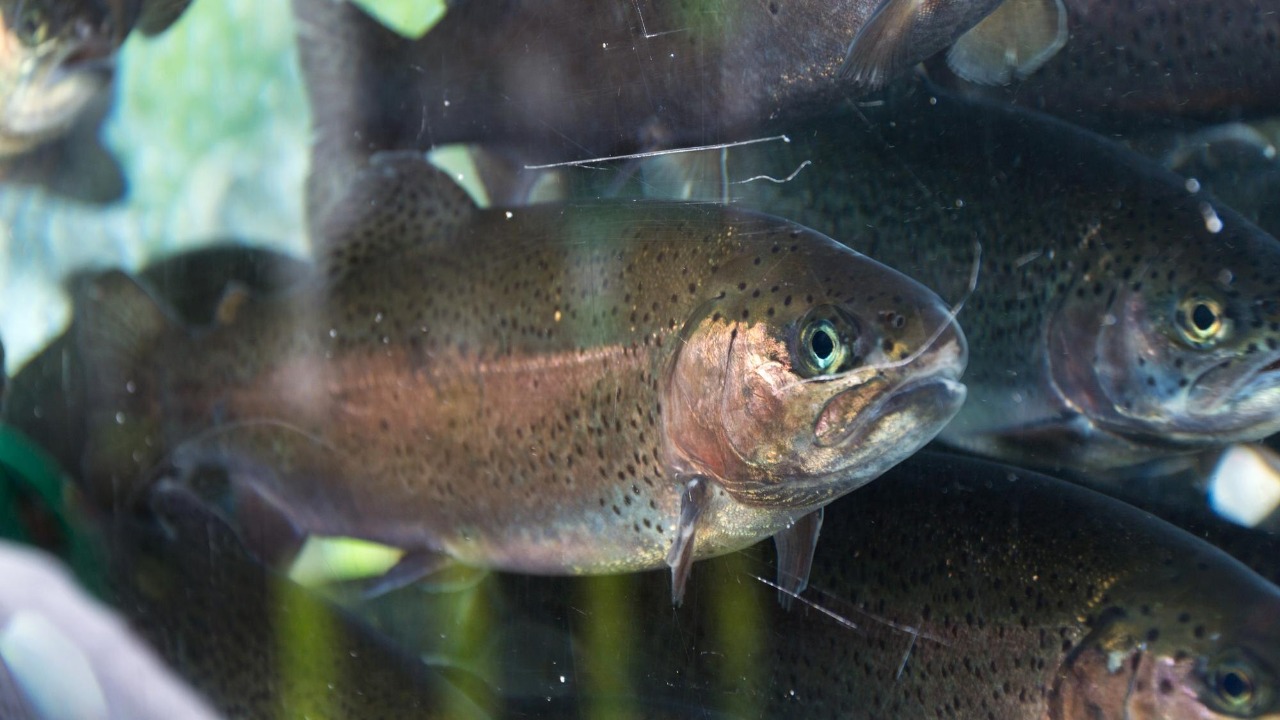
The discovery of these ancient ear bones suggests that freshwater fish diversification occurred earlier than previously thought. This alters our understanding of the timelines for North American species and their evolution (Bioengineer.org). The fossils suggest that Acronichthys maccognoi played a pivotal role in the adaptive radiation of catfish-like freshwater forms.
This discovery rewrites the story of how environmental pressures shaped fish evolution in continental interiors. It provides a new perspective on the complex interplay between evolution, ecology, and environmental change (Phys.org).
By pushing back the timeline of freshwater fish diversification, the discovery of Acronichthys maccognoi’s otoliths has implications for our understanding of the ecological dynamics of prehistoric freshwater ecosystems. It suggests that these ecosystems were more complex and diverse than previously thought, hosting a variety of fish species with unique adaptations (Bioengineer.org).
Furthermore, the discovery of Acronichthys maccognoi’s otoliths provides new insights into the evolutionary pressures faced by early freshwater fish. It suggests that these species had to develop unique adaptations, such as specialized hearing abilities, to survive in freshwater environments (Phys.org).
Preservation and Analysis Techniques

Preserving and analyzing tiny prehistoric fish fossils, including ear bones, requires advanced imaging techniques. These methods allow scientists to reveal internal structures without damaging the delicate fossils (Phys.org). The ear bone fossils from Acronichthys maccognoi were carefully examined to confirm their role in rewriting evolutionary narratives.
Preservation details, such as intact anatomical features, highlight the exceptional conditions needed for such finds. These conditions allow for the preservation of delicate structures like ear bones, which can provide a wealth of information about a species’ life and environment (Bioengineer.org).
The preservation of Acronichthys maccognoi’s otoliths was facilitated by the unique geological conditions of the deposit site. The site’s sediment composition and low oxygen levels likely contributed to the exceptional preservation of these delicate structures (Phys.org).
Advanced imaging techniques, such as micro-computed tomography (micro-CT), were used to analyze the otoliths. This non-destructive technique allows for detailed examination of the internal structure of fossils, providing valuable insights into the morphology and function of the ear bones (Bioengineer.org).
Related Fossil Evidence from North America
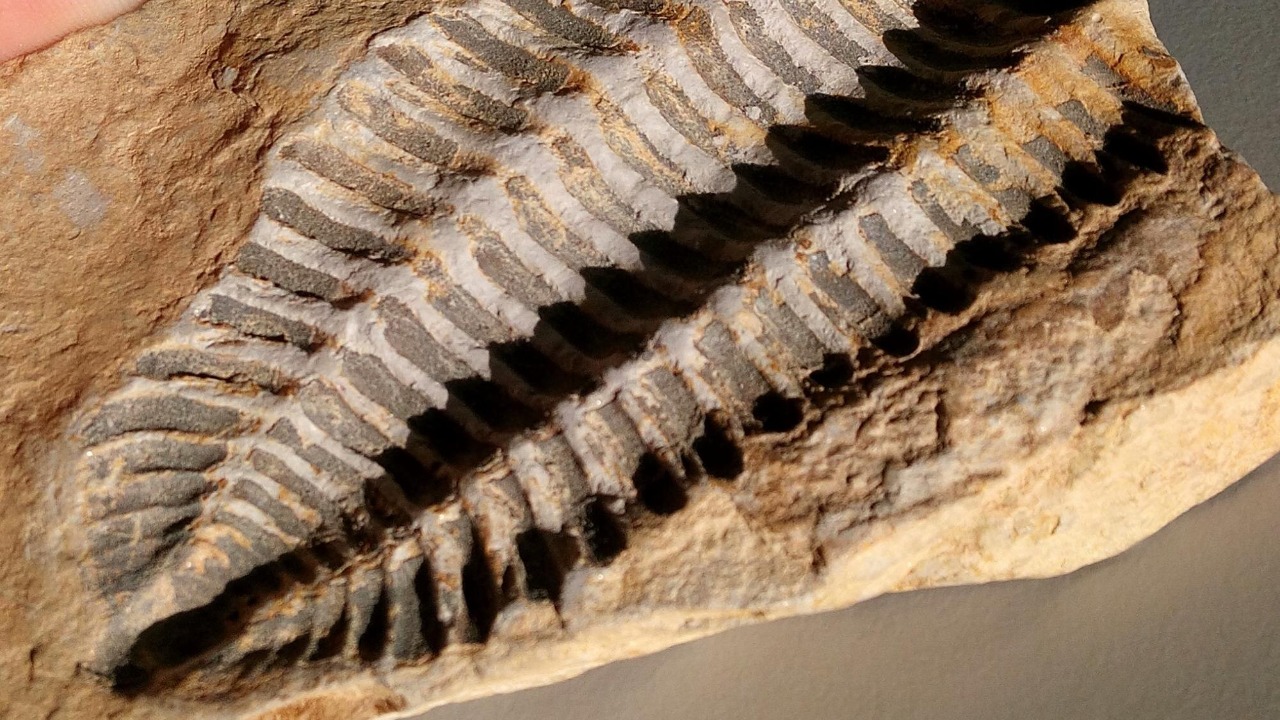
In addition to the discovery of Acronichthys maccognoi, a fish from 15 million years ago was found fossilized with its last meal still in its stomach. This provides context for contemporaneous preservation events and offers a glimpse into the diet and ecology of prehistoric fish (StudyFinds.org).
Such examples support broader studies on prehistoric fish, including those involving ear bone analysis for evolutionary history. They highlight the potential of well-preserved fish fossils to provide insights into the past, helping us understand the evolution and diversification of freshwater fish species (Bioengineer.org).
These fossils, along with the otoliths of Acronichthys maccognoi, contribute to a growing body of evidence that challenges traditional views on the evolution and diversification of freshwater fish in North America. They highlight the importance of continued exploration and study of North American fossil deposits (Bioengineer.org).
Broader Impact on Paleontology
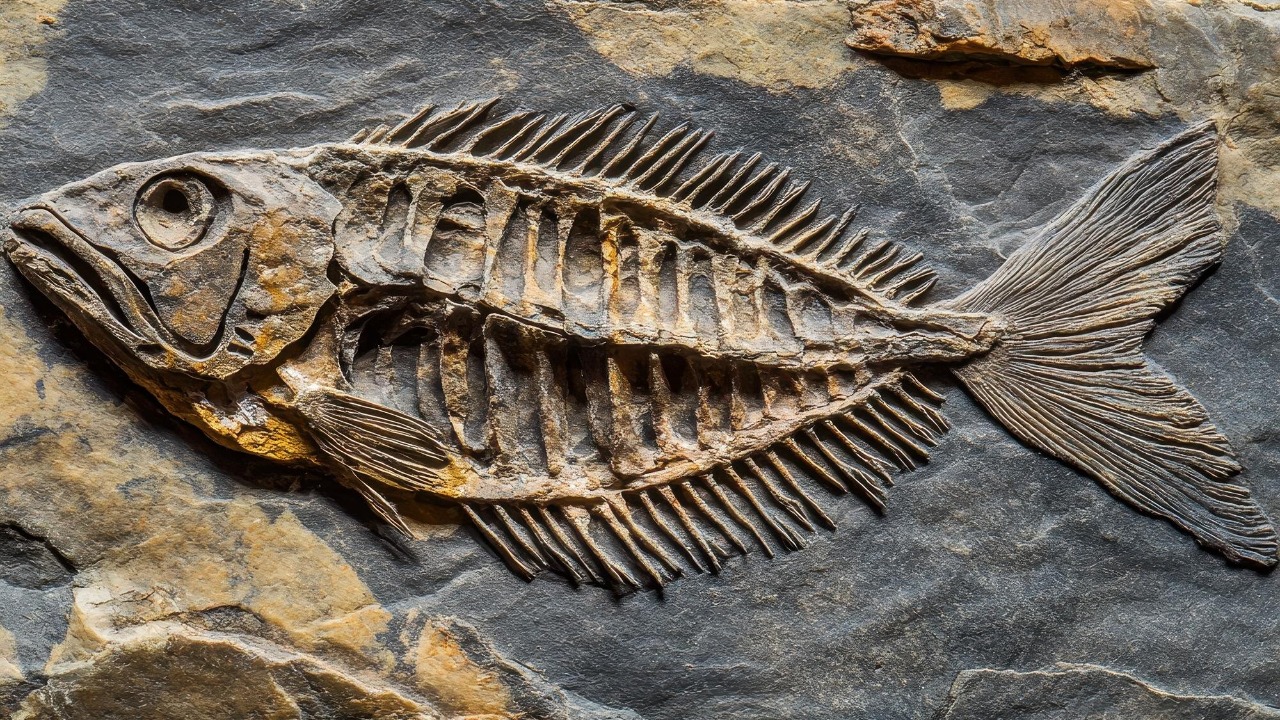
The ear bones from Acronichthys maccognoi challenge existing models of fish migration between marine and freshwater systems in North America. This discovery underscores the need for re-evaluating fossil records from underrepresented sites, as they may hold the key to understanding the complex history of fish evolution (Earth.com).
These findings open avenues for integrating ear bone data into global freshwater fish phylogenies. They highlight the potential of otoliths as valuable tools for understanding the evolution and diversification of fish species, both in North America and globally (Bioengineer.org).
The discovery of Acronichthys maccognoi’s otoliths has implications beyond the study of fish evolution. It highlights the potential of otoliths as a tool for studying other aspects of prehistoric life, such as climate and environmental changes. The chemical composition of otoliths can provide information about the water temperature and salinity at the time the fish was alive, offering insights into past environmental conditions (Earth.com).
Moreover, this discovery underscores the importance of interdisciplinary collaboration in paleontology. The study of otoliths requires expertise in various fields, including geology, biology, and physics. This collaborative approach can lead to more comprehensive and nuanced understandings of prehistoric life (Bioengineer.org).