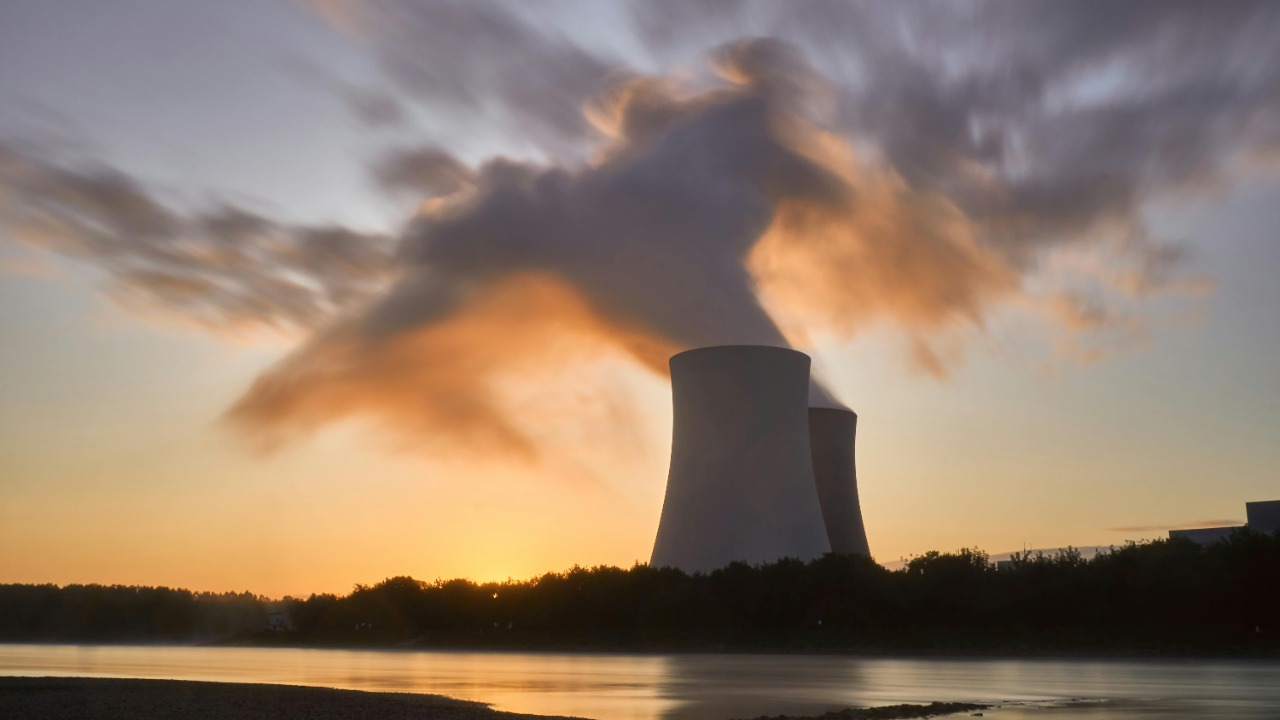

The federal government is quietly asking governors a blunt question: which of them is prepared to host every stage of the nuclear fuel chain, from fresh fuel to the most toxic leftovers. The Department of Energy is pitching the idea as a way to secure power supplies and cut emissions, while President Donald Trump’s administration signals that states willing to take nuclear waste could see new investment and jobs. The political, economic, and safety stakes of that offer are enormous, and they will define where nuclear power fits in the country’s energy strategy for years.
The new “lifecycle” pitch to the states
The Department of Energy has opened a formal hunt for states willing to host what it calls Nuclear Lifecycle Innovation Campuses, a network of sites that would handle fuel fabrication, reprocessing, research, and long term waste management in one integrated system. In its own description, the agency frames these campuses as a cornerstone of a broader energy strategy for the country, explicitly tying the concept to nuclear expansion and domestic fuel security. The Department of Energy has followed up with a detailed request for information that invites governors to signal interest in hosting these Nuclear Lifecycle Inn campuses and to outline what kinds of infrastructure, workforce, and community support they can bring to the table.
In parallel, federal officials have begun to sketch out what they want the fuel cycle to look like inside U.S. borders, emphasizing enrichment, advanced fuel types, and recycling of spent material that is currently treated as waste. In that request, Department of Energy spells out fuel cycle goals that include a fully domestic supply chain and new technologies for handling used fuel. The department is also clear that it is not just looking for a single host, but for multiple states to step forward with proposals that can be evaluated against the administration’s ambitious nuclear expansion goals.
Trump’s nuclear bet and the politics of waste
President Donald Trump has made clear that he wants nuclear power to play a larger role in the grid, and the outreach to states on the full fuel cycle is part of that push. Reporting on the internal strategy describes how The Energy Department issued its request for information on a Wednesday as part of what officials see as the Trump administration’s growing nuclear agenda. The same reporting notes that the plan immediately runs into an old hurdle: public resistance to nuclear waste, which has stalled projects for decades regardless of which party controls the White House.
Inside the administration, aides have floated a more transactional approach that would explicitly link nuclear waste hosting to federal support for new reactors and related infrastructure. One account describes how President Donald Trump is reportedly preparing an initiative that would steer investments to states that agree to take nuclear waste from future power plants, treating the waste burden as a kind of entry fee for economic development. Another report notes that Governors could be offered a deal that pairs waste storage with incentives for nuclear power, data centers, and meeting growing energy demands, a package designed to make a politically toxic choice look more like an economic opportunity.
What the Nuclear Lifecycle Innovation Campuses would actually do
Behind the branding, the Nuclear Lifecycle Innovation Campuses are meant to be working industrial and research hubs, not just storage sites. Federal descriptions say the campuses would handle fuel fabrication, reprocessing, and advanced reactor testing, while also hosting long term storage for high level waste and spent fuel. In its public materials, the department stresses that these Nuclear Lifecycle Innovation are central to the administration’s ambitious nuclear expansion goals, which include both large reactors and smaller modular designs that could be deployed near industrial centers.
Officials are also explicit that they want to move beyond the current patchwork of temporary storage at reactor sites and limited federal facilities. A federal summary explains that US seeks interest from states in nuclear waste and reprocessing sites as part of a broader effort to consolidate and modernize the fuel cycle. Another account notes that the department is seeking interest from the states in hosting what it calls Nuclear Lifecycle Innovation Campuses and that this strategy is meant to support the administration’s nuclear expansion goals by giving developers a clearer path for what happens to fuel before and after it is burned in a reactor.
The incentives, and the risks, on the table for states
To get governors to say yes, the federal government is preparing a mix of financial and policy incentives that go beyond traditional grants. One report, citing a federal source, says the Energy Department will invite states to negotiate Incentives for nuclear power in exchange for hosting waste sites, including support for new reactors and related infrastructure. That same account underscores the security stakes, noting that the waste in question contains plutonium that could be used in a crude nuclear bomb, which is one reason federal officials want it in fewer, more tightly controlled locations.
Other reporting describes a broader package that would tie waste hosting to economic development in sectors that need large amounts of reliable power. One analysis notes that states could be a deal that links storage to new nuclear plants, data centers, and meeting growing energy demands, effectively bundling waste with high tech investment. Another report on the same strategy says that investments would be steered to states that take nuclear waste, with Politico reporting that the administration is explicitly linking capital flows to willingness to host the toxic byproduct. For any governor, the calculation is whether those benefits outweigh the political and environmental risks that come with being branded the country’s nuclear dumping ground.
Old battles, new framing
None of this is happening in a vacuum, and the administration’s own allies acknowledge that nuclear waste has been one of the most durable political roadblocks in U.S. energy policy. Coverage of the new outreach notes that The Energy Department is trying to engage states on nuclear waste even as polling shows the issue remains as unpopular as it has been for years. Another account puts it more bluntly, saying that The Trump administration is going big on nuclear and wants to bulk up the fuel supply chain, but it is doing so in a political environment where few communities are eager to take on long term waste.
Federal officials are betting that a combination of branding, incentives, and a more collaborative process can shift that dynamic. The Energy Department’s own materials describe the campuses as part of a broader Department of Energy effort that is framed as innovation rather than disposal. At the same time, federal summaries from WASHINGTON describe how the department is seeking interest from the states in nuclear waste and reprocessing sites and how the U.S. said on Wednesd that it wants to hear from governors about potential locations. Another account of the same outreach notes that US seeks interest from states in nuclear waste and reprocessing sites as part of a coordinated strategy, while a separate summary of the federal request explains that fuel cycle goals are being laid out in detail to give potential host states a clearer sense of what they are signing up for. Whether that new framing is enough to overcome decades of mistrust will determine how many governors raise their hands when the federal government asks who is willing to host the full nuclear lifecycle.
More from Morning Overview