
The FBI has issued a warning about the potential dangers of using public charging stations, a convenience that many of us take for granted. These stations, often found in airports, shopping malls, and other public venues, may expose your devices to a cyber threat known as “juice jacking.” Understanding the risks associated with public charging stations is crucial to safeguarding your personal information.
The Rise of Juice Jacking
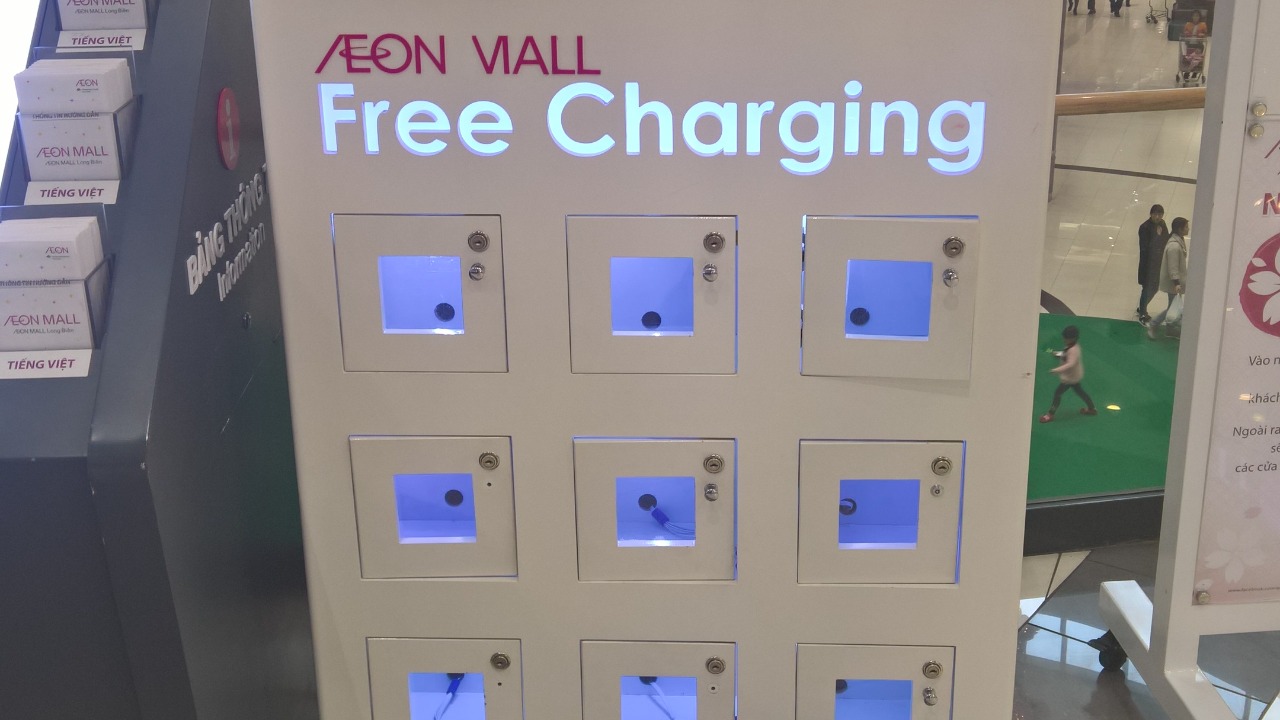
Juice jacking is a cyber-theft technique that targets unsuspecting individuals using public charging stations. It exploits the dual functionality of USB cables, which are used not only for charging but also for data transfer. When you plug your device into a compromised charging station, there’s a risk that data can be stolen or malware can be installed without your knowledge.
The technology behind juice jacking is surprisingly simple yet effective. Hackers can modify charging kiosks or cables to include small computers capable of stealing data or installing malicious software. Once a device is compromised, cybercriminals can gain unauthorized access, potentially leading to identity theft or financial loss. The convenience of public charging stations becomes a vulnerability when individuals unknowingly expose their devices to such risks.
The FBI’s Warning and Rationale

The FBI has taken a firm stance against using public charging stations due to the growing threat of juice jacking. In their recent announcement, they emphasized the need for public vigilance in protecting personal devices. The agency’s warning is based on documented cases where individuals have suffered data breaches after using public chargers.
Several incidents highlight the reality of this threat. For instance, a report from the FCC describes cases where travelers at airports found their devices compromised after using free charging stations. Such incidents underscore the importance of being cautious and informed about the potential dangers lurking in seemingly benign amenities.
Public Charging Stations: A Target for Cybercriminals
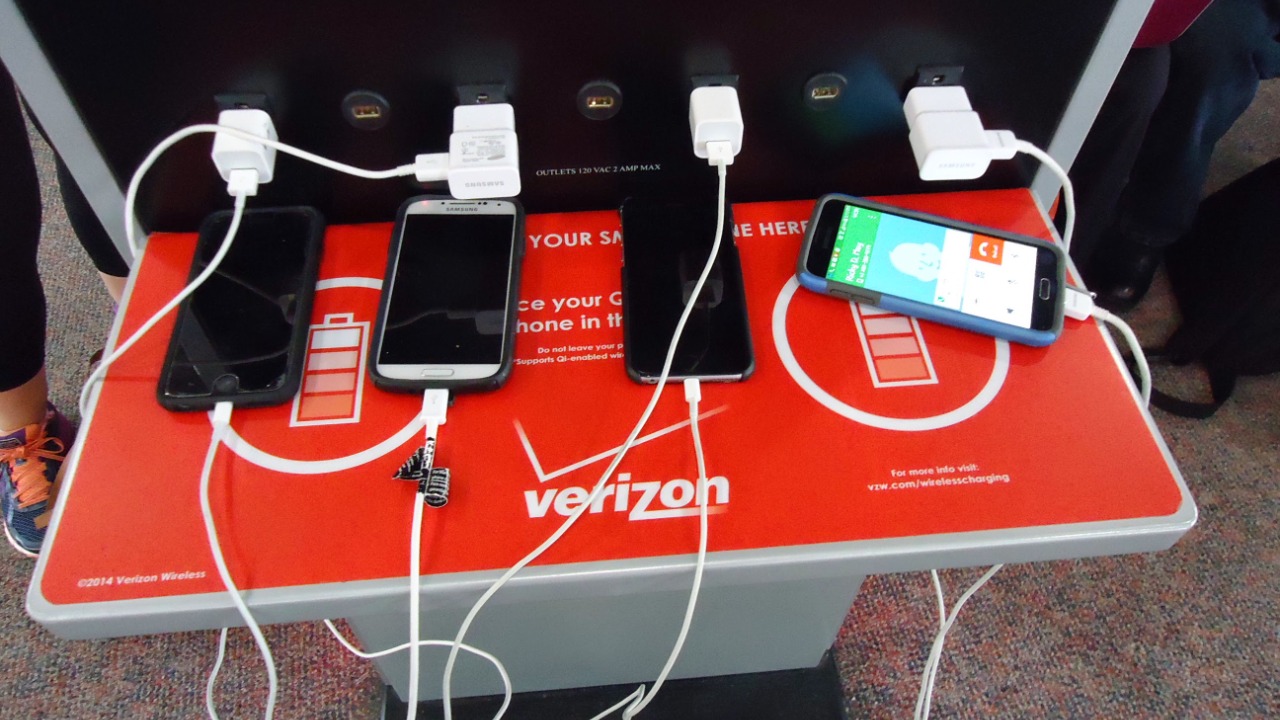
Cybercriminals employ various techniques to exploit public charging stations. They may install malicious hardware or software into these stations, or even use counterfeit cables that look identical to legitimate ones. Once connected, these tools can quickly extract personal information or inject malware into the connected device, leaving users vulnerable.
Common locations for compromised charging stations include airports, hotels, shopping centers, and other high-traffic areas. These venues are attractive targets for hackers because they offer a steady stream of potential victims. The convenience offered by public charging stations makes them especially appealing to travelers and busy individuals who may not think twice before plugging in.
Protective Measures and Alternatives
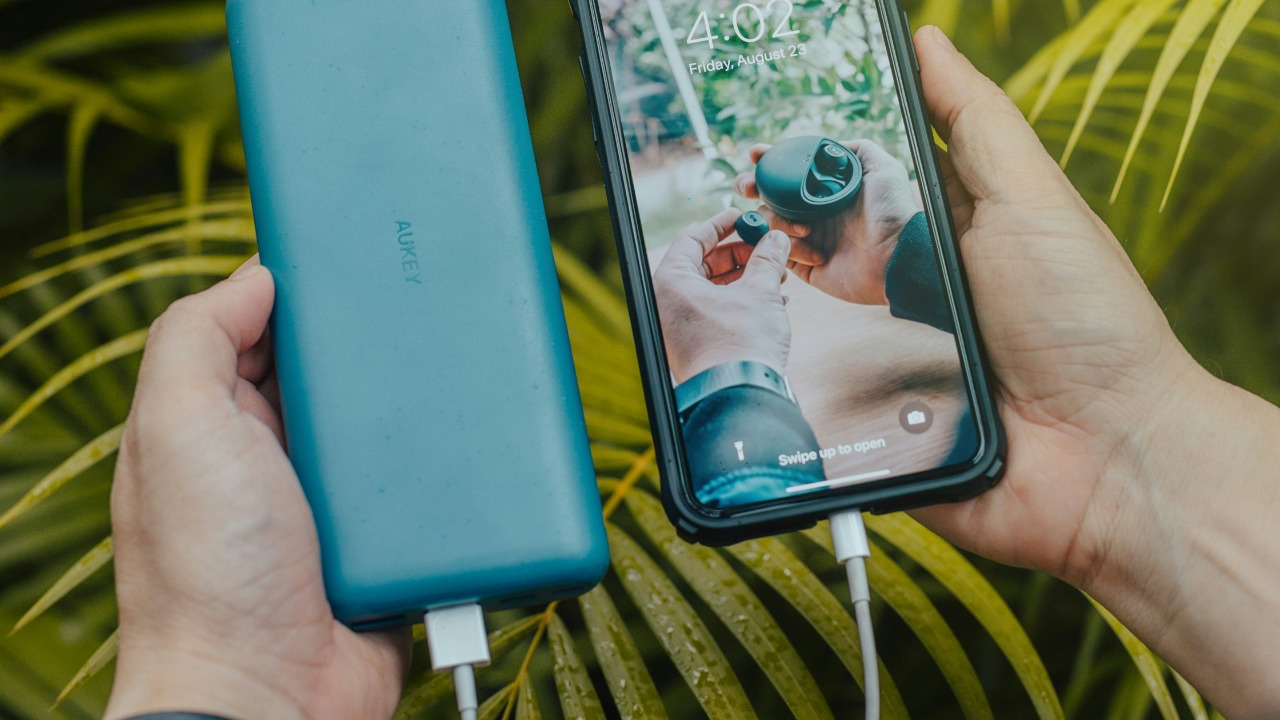
Fortunately, there are several ways to protect yourself from juice jacking. One effective method is using USB data blockers, which allow your device to charge while blocking data transfer. Another option is to carry a personal charger and plug it into an electrical outlet, bypassing the need for public charging stations altogether.
For those seeking alternative charging solutions, investing in a portable power bank is a sensible choice. These devices can provide multiple charges for your smartphone or tablet, ensuring you have power on the go without the risk of using public facilities. Additionally, using your own charging cables in combination with trusted power sources, such as a laptop or personal wall charger, can further safeguard your devices.
