
The idea of resurrecting woolly mammoths, once the giants of the Ice Age, has fascinated scientists and the public alike for decades. Recent advances in genetic engineering and biotechnology have brought us closer to making this dream a reality. Here, we explore the groundbreaking experiments underway that might one day bring mammoths back to life.
The Science Behind De-Extinction
De-extinction, the process of reviving extinct species, has emerged as a radical yet plausible approach to biodiversity conservation. The implications of bringing back extinct species are profound, potentially allowing us to restore lost ecosystems and address the challenges of biodiversity loss. The concept hinges on cutting-edge techniques in genetic engineering, such as CRISPR-Cas9, which can precisely edit DNA to introduce mammoth-like traits into living organisms.
Synthetic biology also plays a crucial role in this process, offering tools to reconstruct the mammoth genome from ancient DNA samples. The ability to synthesize long strands of DNA in the lab opens the door to recreating complex genomes, such as that of the woolly mammoth. These technologies not only hold promise for de-extinction but also have broader applications in fields like medicine and agriculture, where they enable the development of new therapies and crops.
Key Players in Mammoth Resurrection
Several leading organizations and scientists are at the forefront of efforts to resurrect the woolly mammoth. Among them is Revive & Restore, a nonprofit organization dedicated to enhancing biodiversity through genetic rescue of endangered and extinct species. Additionally, Harvard’s Woolly Mammoth Revival project stands out as a significant player, leveraging advanced biotechnology to recreate mammoth traits in modern elephants.
These projects rely on the collaborative efforts of geneticists, paleontologists, and conservationists, each bringing their expertise to tackle the scientific and ethical challenges of de-extinction. The scientific community is actively debating the ethical considerations surrounding these projects, such as the potential impacts on existing ecosystems and the welfare of the animals involved.
Current Experiments and Findings
Recent experiments have made significant strides, including studies involving mice with woolly mammoth traits. These experiments aim to understand how mammoth genes function and their potential effects when introduced into living organisms. The success of such experiments could pave the way for future mammoth cloning attempts, bringing us closer to the possibility of de-extinction.
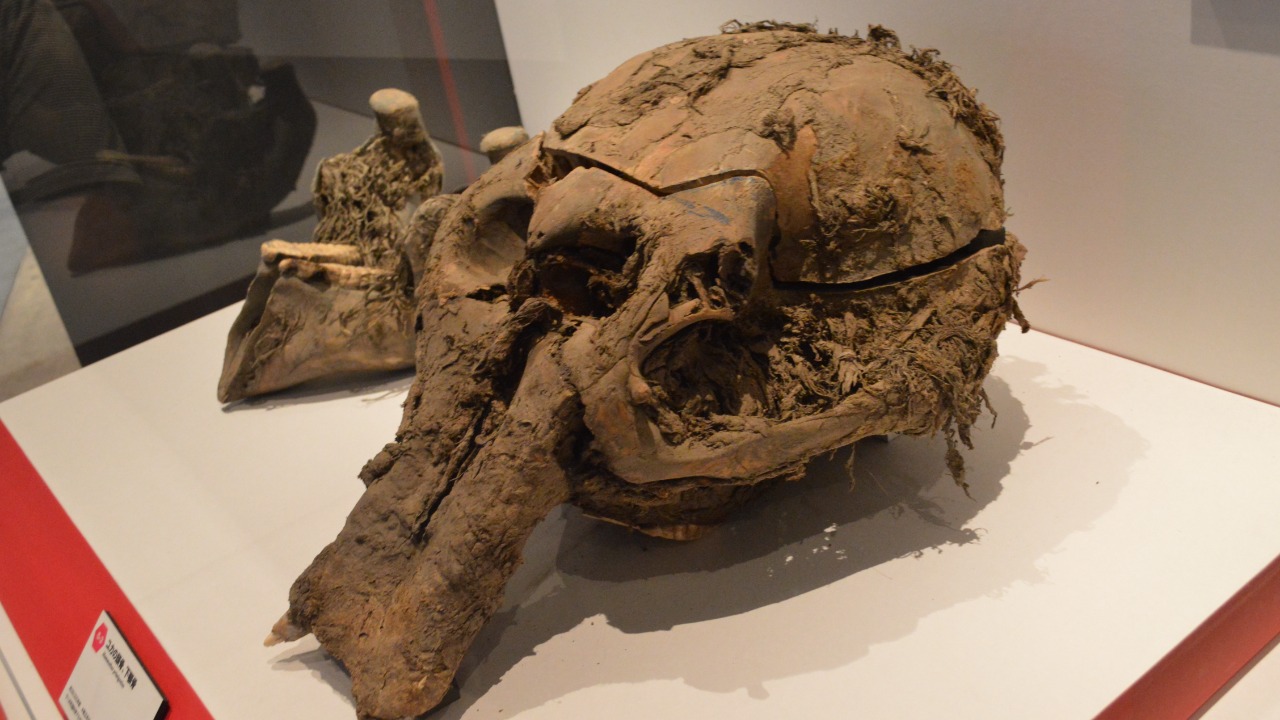
However, extracting and preserving viable DNA from mammoth remains presents considerable challenges. Despite the harsh conditions, permafrost has preserved some mammoth tissues, offering valuable genetic material. Breakthroughs have been made in creating hybrid embryos using elephant surrogates, providing a promising avenue for mammoth de-extinction. These embryos represent a crucial step toward understanding how mammoth characteristics can be expressed in living species.
Ethical and Environmental Considerations
The ethical dilemmas surrounding de-extinction are complex and multifaceted. Bringing extinct species back to life raises questions about animal welfare, particularly concerning the living conditions and potential suffering of resurrected animals. Moreover, the ecological impacts of reintroducing species like woolly mammoths into modern ecosystems are uncertain, with potential risks and benefits that require careful consideration.
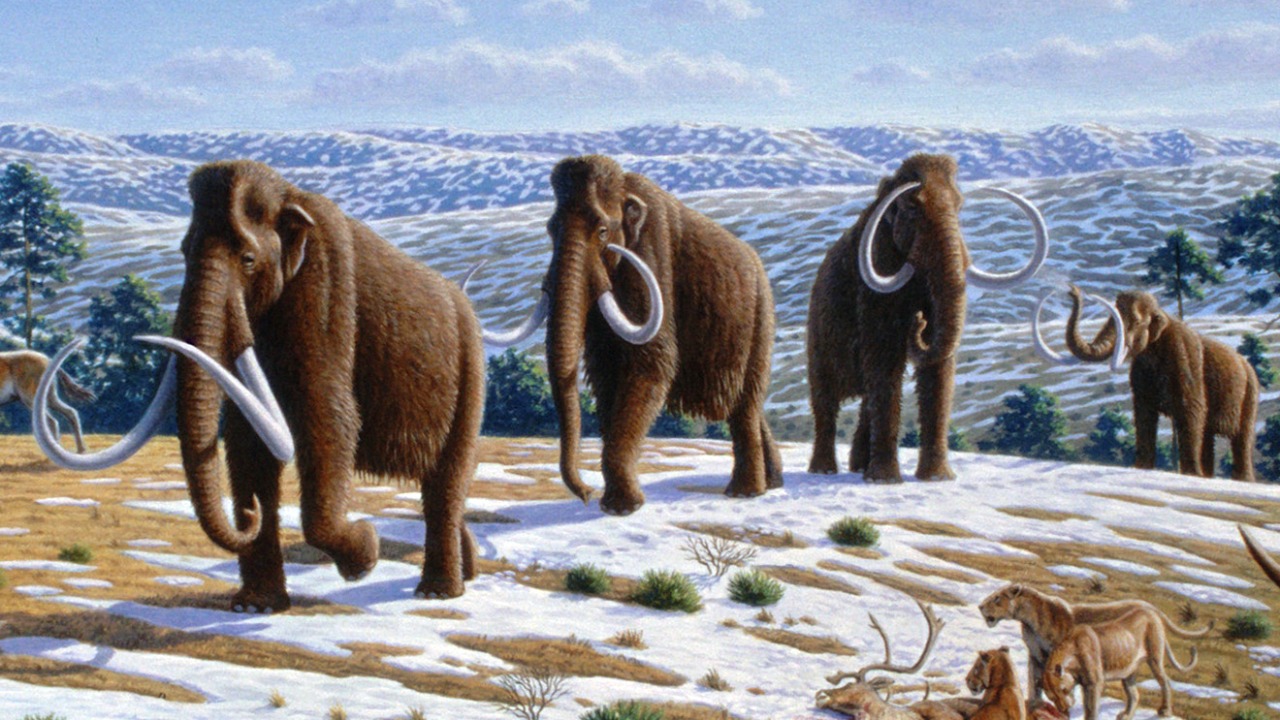
Reintroducing woolly mammoths could help restore certain ecosystems, such as the Arctic tundra, potentially mitigating climate change effects by promoting grassland growth. However, public perception and policy will play a significant role in shaping the future of de-extinction science. As these projects progress, engaging with the public and considering their perspectives will be crucial in navigating the ethical landscape.
The Future of Mammoth Resurrections
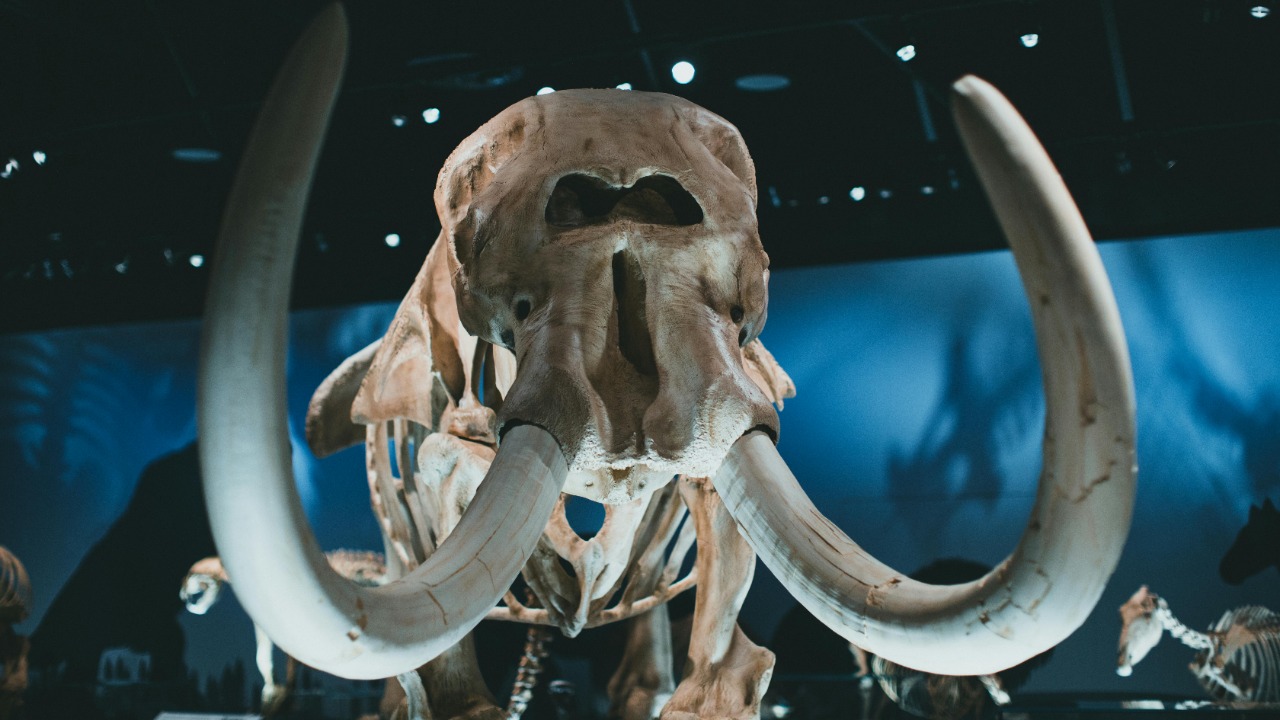
Predicting the timeline and feasibility of successfully resurrecting a woolly mammoth involves considerable uncertainty. While some experts believe it could happen within a few decades, others caution that significant scientific and ethical hurdles remain. Advances in technology, such as improved genome editing techniques and better understanding of extinct species’ biology, may help overcome some of these limitations.
The broader implications of mammoth resurrection extend beyond the mere revival of a single species. Successful de-extinction could revolutionize conservation efforts, offering new tools to combat biodiversity loss and restore ecosystems. As science continues to advance, the possibility of reviving other extinct species may become a reality, ushering in a new era of biodiversity management and conservation.
