
The U.S. Congress has recently proposed a new tax specifically targeting electric vehicle (EV) tires, sparking a debate about its implications for the EV market and environmental policy. As lawmakers explore avenues to offset infrastructure costs, this proposed tax has generated both support and criticism from various stakeholders.
The Rationale Behind the EV Tire Tax

One of the primary justifications for the proposed EV tire tax is the need to fund infrastructure projects across the country. As EVs become more prevalent, traditional sources of funding, like the gas tax, are dwindling, prompting lawmakers to seek alternative revenue streams. Proponents argue that the tax is a fair way to ensure that EV owners contribute to the upkeep of roads and bridges, just as drivers of gasoline-powered vehicles do.
While the fairness of the tax is debated, some view it as a necessary step to level the playing field between EVs and traditional vehicles. Critics, however, argue that this tax could disproportionately affect EV owners who are already contributing to infrastructure through other means. Additionally, there are environmental arguments both for and against the tax, with some suggesting that EVs cause significant road wear and pollution due to their heavier weight compared to conventional vehicles.
Impact on the EV Market
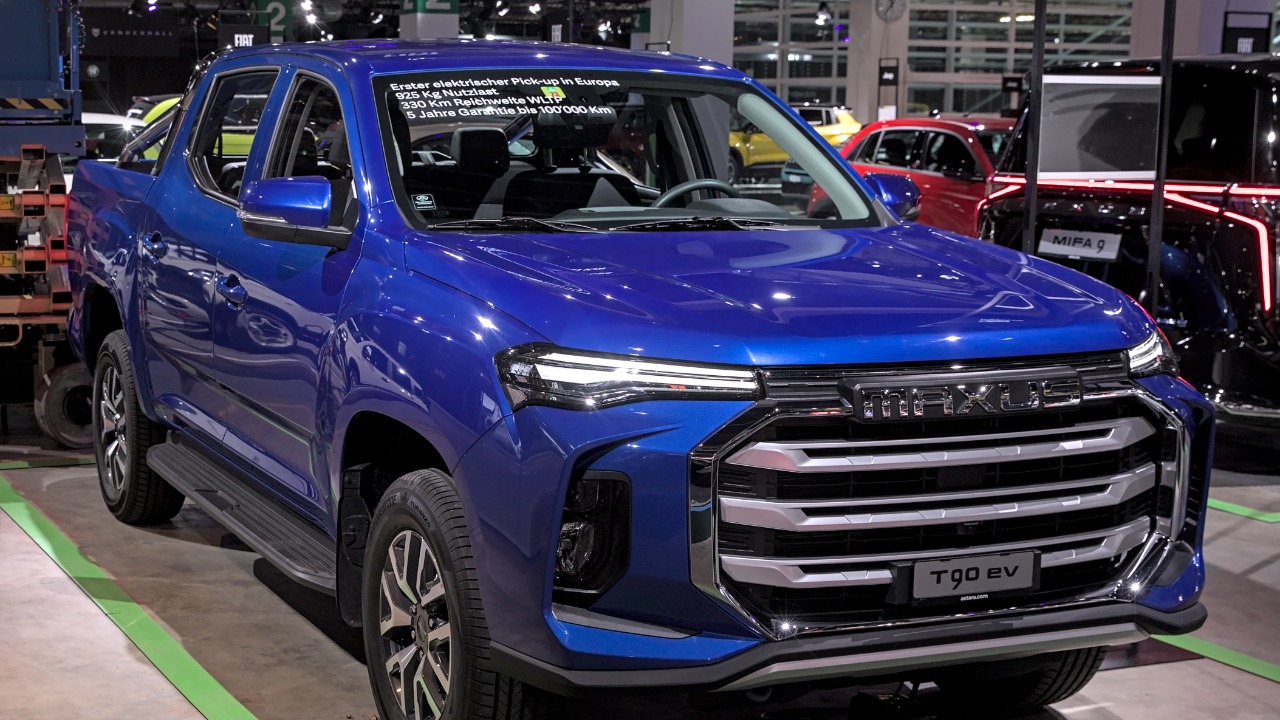
The proposed tire tax could have significant implications for the EV market, potentially affecting sales and market growth. If implemented, the tax might discourage some consumers from purchasing EVs, particularly those who are price-sensitive. This could lead to a slowdown in the adoption of electric vehicles at a time when the industry is gaining momentum.
Consumer behavior and preferences may shift as a result of the tax, with some opting for traditional vehicles or delaying their purchase of an EV. Manufacturers, too, could face challenges in adapting their strategies to accommodate the potential impact of the tax. They might need to reconsider pricing structures or offer incentives to offset the additional cost to consumers.
Stakeholder Reactions and Lobbying Efforts

The response to the proposed tax has been varied among stakeholders, with environmental groups, automakers, and EV advocates expressing concerns. Environmental groups worry that the tax could impede the progress of green transportation initiatives, while automakers are concerned about the potential impact on sales and production costs.
Lobbying efforts have intensified on both sides of the debate, with some groups pushing for the tax as a necessary measure for infrastructure funding, while others argue it could stifle innovation and growth in the EV sector. The political dynamics surrounding the proposal are complex, with party lines often dictating the level of support or opposition to the tax.
Comparative Analysis with Other EV Incentives

Comparing the proposed tire tax with existing and past EV incentives, such as tax credits, reveals an intricate balance between promoting EV adoption and generating revenue. While incentives like the federal tax credit have historically boosted EV sales, a new tax could counteract these benefits by adding to the overall cost of EV ownership.
The balance between incentives and taxes is crucial in shaping consumer decisions and market trends. Historical precedents of similar legislative measures show mixed outcomes, with some policies successfully promoting green technology, while others have faced criticism for hindering market growth.
Future of EV Legislation

Predictions about the likelihood of the EV tire tax passing are varied. Some experts believe that the tax may face significant opposition, while others see it as an inevitability given the current economic climate. Legislative discussions may lead to potential revisions or alternatives that aim to address the concerns of all stakeholders. The broader implications for future EV-related legislation are significant. As the debate continues, the outcome of this proposal could set a precedent for how future policies are shaped. The political landscape and economic considerations will play a crucial role in determining the direction of EV legislation, including the possibility of revisiting issues like EV fees, which have been contentious in past budget bills (source).
