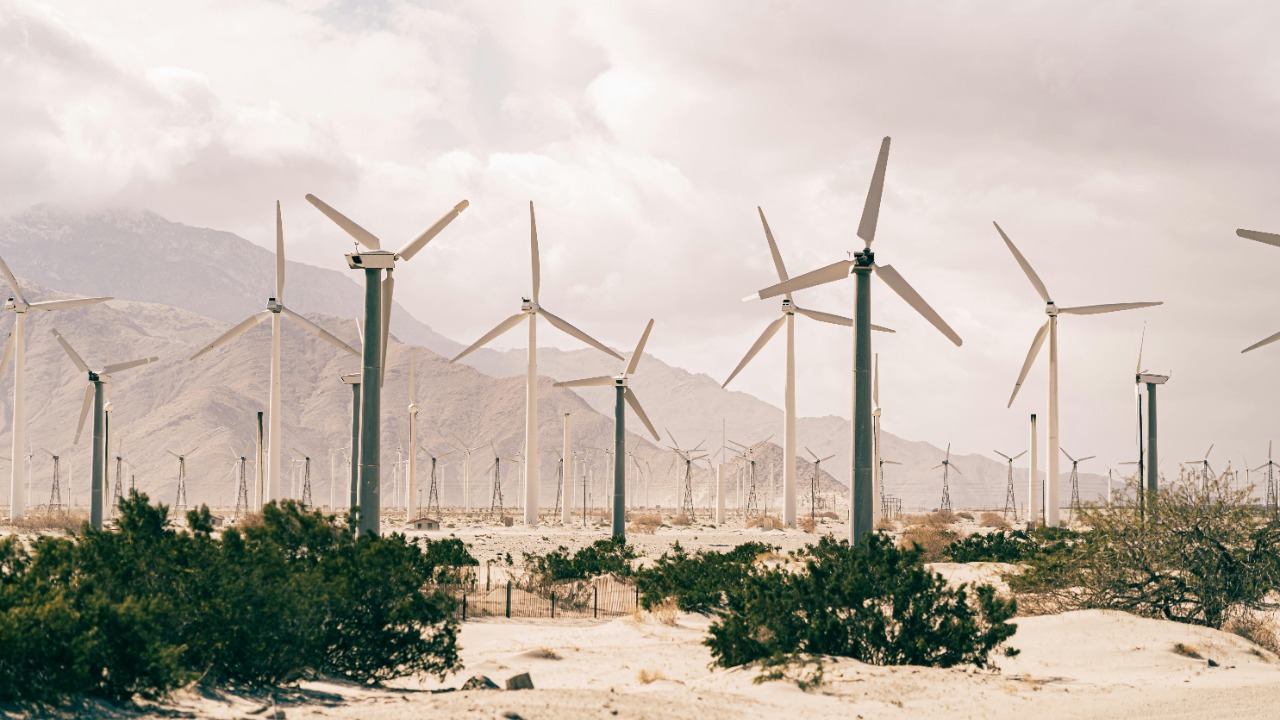

From the shore, Europe’s offshore wind parks look like pure infrastructure, long rows of turbines feeding clean electricity into the grid. Out at sea, they are quietly reshaping economies, marine ecosystems and even geopolitics in ways that go far beyond megawatt counts. As Europe doubles down on offshore wind, these projects are turning into test beds for how to protect oceans, rewire industry and reduce exposure to volatile fossil fuel markets.
I see a pattern emerging in the latest research and policy moves: offshore wind is becoming a multi‑purpose platform. The same foundations that anchor turbines are acting as artificial reefs, the same cables that bring power ashore are knitting together cross‑border grids, and the same investments that cut emissions are creating new industrial supply chains and jobs.
From power plants to marine sanctuaries
For years, critics warned that building forests of steel in shallow seas would devastate marine life. Instead, a growing body of evidence suggests the picture is more complicated, and in some places surprisingly positive. Environmental analysts in Europe describe how the increased use of wind turbines in coastal waters is creating new hard surfaces that function as artificial reefs, attracting fish, shellfish and other species that struggle to find habitat on flat, trawled seabeds. That does not erase construction noise or collision risks for birds and mammals, but it does mean the net ecological impact depends heavily on how projects are planned and managed.
Several recent studies go further, suggesting that offshore wind farms can actually boost biodiversity if they are designed with ecological goals in mind. Researchers examining global OWF deployments note that, if appropriately managed and designed, future projects may increase biodiversity locally and across the world. That finding echoes field observations in the North Sea, where Reports suggest that the construction of wind farms offshore has helped marine life naturally develop and even thrive in zones where trawling and other disruptive activities are restricted.
Designing energy projects as ocean infrastructure
The shift from “do no harm” to “actively help the sea” is not accidental. Environmental agencies in Managing the growth of offshore wind energy and marine ecosystem protection in Europe argue that turbine foundations and cable corridors can be deliberately shaped to support habitats, based on artificial reefs and protected zones. That means choosing scour protection that doubles as rocky habitat, spacing turbines to create corridors for migratory species and coordinating with fisheries to avoid the most sensitive spawning grounds.
There is also a broader rethink of how offshore renewables fit into crowded seas. Analysts writing in Nov describe how the deployment of offshore renewables can be combined with other measures that benefit the environment, including better spatial planning for transportation, fishing and recreation. In practice, that means treating wind parks as part of a wider ocean infrastructure network, where shipping lanes, marine protected areas and energy cables are planned together rather than in isolation.
Jobs, industry and the quiet economic build‑out
Behind the turbines, a sprawling industrial ecosystem is taking shape along Europe’s coasts. Fabricating foundations, installing cables and servicing turbines all require specialized skills, and the job numbers are already significant. A briefing on European Offshore Wind notes that, according to the International Economic Development Council, offshore wind creates more jobs per unit of electricity than many conventional power sources, because each project demands extensive construction, port upgrades and long term maintenance. Those roles range from welders and marine engineers to data analysts monitoring turbine performance.
The employment footprint is already visible in individual countries. A separate assessment of Germany and the United Kingdom reports that Germany employed about 19,000 of these workers, while the United Kingdom employed about 13,000, underscoring how quickly coastal regions can become hubs for turbine manufacturing and offshore services. For port cities that once depended on coal or oil, offshore wind is quietly rewriting the economic script.
Cutting emissions and rewiring Europe’s energy system
At the core, offshore wind is still about replacing fossil fuels, and the climate impact is already measurable. Europe’s largest offshore wind farm, highlighted in Aug, is described as replacing gas‑fueled power generation with clean wind energy and cutting hundreds of thousands of tons of carbon emissions each year. That kind of project scale is central to Europe’s pledge to reduce emissions and meet climate targets without sacrificing energy security.
Policy makers are now trying to lock in those gains at continental scale. In a recent offshore wind pact, executives stressed that Europe is our core market, with 35 years of experience and about 90 % of operating capacity based there, and that scaling offshore wind could cut European carbon emissions by 15 %. Analysts at the International Energy Agency add that Replacing fossil fuels as energy sources, feedstocks and process agents in European industry will require large amounts of clean electricity, much of which is expected to come from offshore wind in the North Sea and beyond.
Energy security, cross‑border cables and political pushback
Europe’s offshore build‑out is also a response to geopolitical shocks. After years of gas price spikes and supply disputes, leaders see the North Sea as a strategic energy basin. A recent digest on Ramp Up Offshore describes how Europe plans to expand offshore capacity in the North Sea as part of a broader Push for Energy Independence, using projects like The Belwind offshore wind farm in the North Sea as early anchors. The idea is to turn a once‑contested maritime zone into a shared power plant that reduces reliance on imported gas from other countries, including the U.S. and major fossil exporters.
That strategy is being backed by new cross‑border infrastructure. Grid operators recently announced that Europe and its partners are launching GriffinLink, described as the first project of its kind in Europe and a major milestone in cross‑border energy security, designed to maximize offshore wind and deliver more reliable power for families and businesses. Politically, the push is not uncontested: at a summit in Hamburg, Germany, nine European governments committed to accelerate offshore wind expansion despite criticism from President Donald Trump, underscoring how energy policy is now entangled with transatlantic politics.
More from Morning Overview