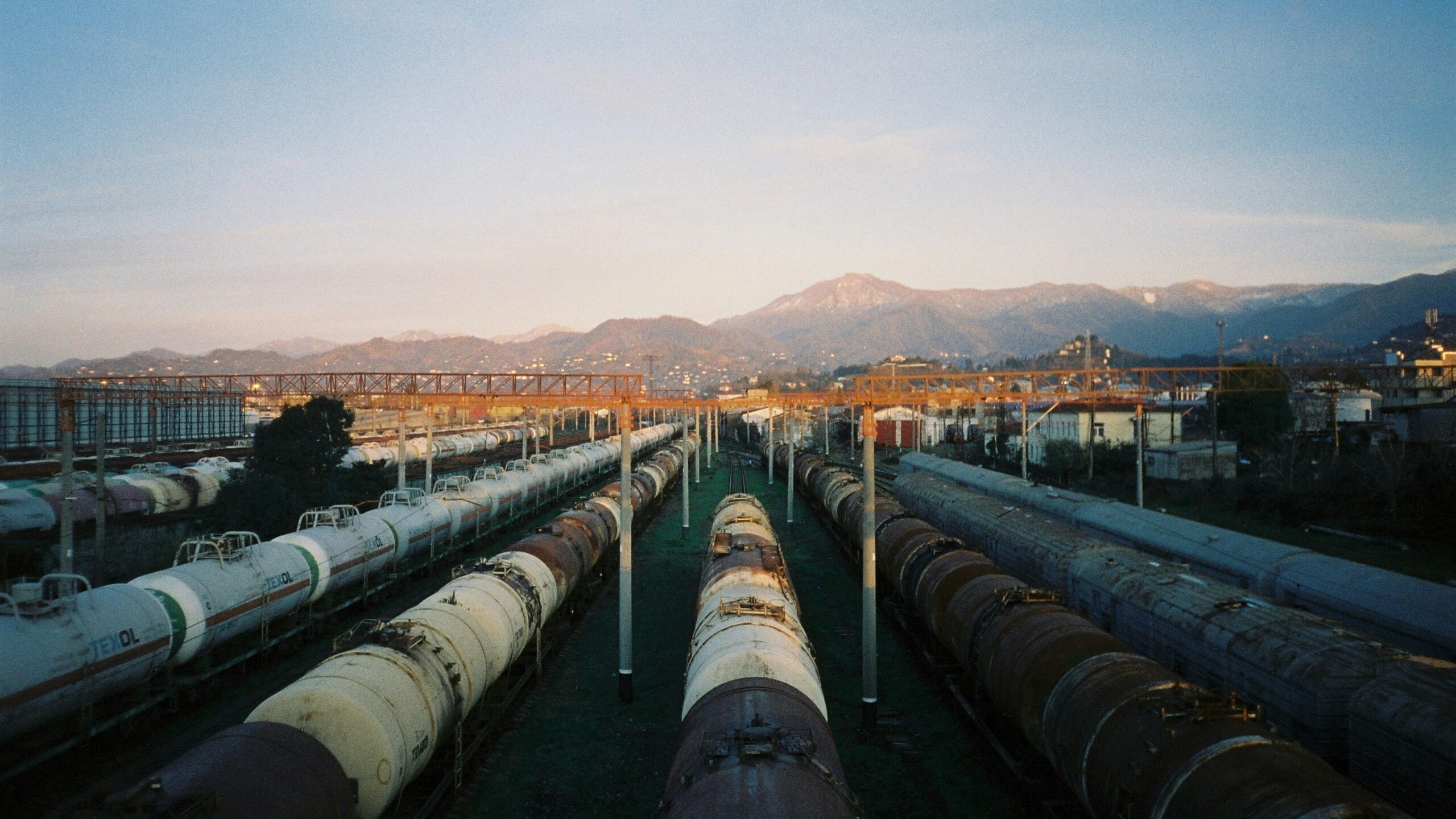

A brutal Arctic blast in the United States has turned a routine winter into a global energy shock, freezing key gas infrastructure and throttling pipeline flows just as European demand peaks. With American exports constrained, European buyers are racing to secure cargoes from farther afield, pulling in liquefied natural gas from Australia and reshaping trade routes in real time. The scramble underlines how exposed Europe remains to weather, geography and geopolitics, even after four years of emergency diversification.
Behind the headline shift in cargo maps is a deeper story about how a continent that once relied on Russian pipelines has become dependent on seaborne fuel from the US, and now, in a pinch, from the Asia-Pacific. I see this latest shock as a stress test of Europe’s new energy architecture, one that exposes both the resilience of global LNG markets and the fragility of a system that can be knocked off balance by a snowstorm thousands of kilometres away.
From US lifeline to sudden bottleneck
Europe’s pivot away from Russian pipeline gas after the invasion of Ukraine left the Continent leaning heavily on American liquefied natural gas, turning the US into its largest LNG supplier in just a few years. That dependence has now been thrown into sharp relief as a deadly winter storm sweeping from Texas to the tip of Maine has frozen natural gas pipes and wells, choking off some of the flows that underpin transatlantic energy security. The same weather system that has battered Texas and Maine has also disrupted operations at export terminals and along key pipelines, leaving European utilities scrambling to replace volumes they had assumed were secure.
The storm’s impact is not just a matter of short term logistics, it exposes how a supply chain built around a single dominant exporter can quickly become a vulnerability. When the US became the Continent’s largest LNG supplier, policymakers framed it as a strategic win over Russian influence, but the current disruption shows that physical resilience matters as much as political alignment. With parts of the American network frozen, Europe is discovering that its new lifeline can be pinched by extreme weather, a risk that will only grow as climate volatility increases, and that realization is driving buyers to look as far as Australia for backup supply.
Australian cargoes step into the gap
In normal winters, Australian LNG rarely sails all the way to Europe, because Asian buyers are closer and usually willing to pay a premium that keeps cargoes in the Pacific basin. The shock to US exports has upended that pattern, with European companies now booking shipments from Australian liquefaction plants to plug the hole left by frozen American pipelines. That shift reflects both the severity of the US disruption and the flexibility of a global LNG system that can reroute tankers when price signals are strong enough, even if it means longer voyages and higher shipping costs.
For producers, the sudden pull from Europe offers a lucrative outlet at a time when trade flows have already been reshaped by other geopolitical rifts, including the collapse of the US China propane trade that has forced markets to adjust to a new reality in which traditional routes no longer hold. Australian exporters, already embedded in a dense network of Asia Pacific energy trade, are now finding that European demand can act as an additional safety valve when shocks hit elsewhere. The fact that cargoes are now moving from Australian ports to European regasification terminals underscores how a storm in North America can ripple through supply chains from the Indian Ocean to the North Sea, reinforcing the sense that gas has become a truly global commodity rather than a series of regional markets.
Price shock hits European consumers
The immediate consequence of the US freeze out has been a sharp jump in European wholesale prices, particularly on the Dutch and British hubs that set the tone for the region’s gas market. As American LNG exports were curtailed by frozen pipes and wells, traders bid up contracts in anticipation of tighter supply, pushing benchmarks higher just as households and businesses were already facing elevated energy bills. The Dutch and British wholesale markets, which serve as bellwethers for the wider region, have reacted quickly to the prospect of fewer cargoes arriving from the US Gulf Coast, amplifying the cost of the disruption for consumers across the Continent.
Those price spikes are being felt unevenly, with countries that still rely heavily on spot market purchases bearing the brunt, while those with longer term contracts are somewhat shielded but not immune. I see this as a reminder that Europe’s strategy of leaning on flexible LNG rather than fixed pipeline volumes comes with a built in volatility premium, one that becomes painfully visible when a weather event in North America tightens global supply. The surge in prices for gas in Europe after the US winter storm restricted LNG exports shows how quickly sentiment can turn, and how exposed even diversified buyers remain when a key supplier is hit by physical constraints.
US market whiplash and global knock on effects
Ironically, the same Arctic blast that has tightened supply to Europe has also produced wild swings in US domestic gas prices, with futures surging almost 30 percent before falling back as contract expiry neared. That whiplash reflects a market trying to balance surging demand for power sector and home heating with the reality that some production and transport capacity has been knocked offline by extreme cold. As the front month contract rolled over, traders reassessed how long the disruption would last, leading to a sharp correction that underlines just how sensitive pricing has become to short term weather forecasts.
These gyrations in the US market feed directly into global LNG pricing, because American exporters base their cargo economics on domestic benchmarks plus liquefaction and shipping costs. When US prices spike, the margin for sending gas abroad narrows, and when infrastructure is physically constrained, the number of cargoes available to Europe and Asia shrinks regardless of paper arbitrage. The result is a chain reaction in which an Arctic blast in the US Midwest and Northeast can tighten supply in European ports, push up Asian spot prices and force buyers in emerging markets to the sidelines, all within a matter of days. In that sense, the current storm is not just a regional weather event, it is a live demonstration of how tightly coupled the global gas system has become.
A fragile new energy order for Europe
Europe’s rush to secure Australian LNG in the wake of the US storm highlights both the progress it has made in diversifying away from Russian pipelines and the fragility of the new order that has replaced them. The Continent has invested heavily in new regasification capacity, floating storage units and interconnectors, but it still relies on a handful of major exporters and a limited fleet of tankers to keep the system balanced. When one of those pillars, in this case the US, is hit by a shock, the entire structure wobbles, forcing buyers to reach across the globe to suppliers that were never central to their planning.
Looking ahead, I expect European policymakers and utilities to treat this episode as a warning that redundancy and flexibility need to be built into every layer of the gas system, from storage levels and demand response to the diversity of supply contracts. The fact that a deadly winter storm stretching from Texas to Maine, captured in images credited to Charly Triballeau, AFP and Getty Images, can trigger a scramble for cargoes from distant producers shows that energy security is no longer a regional puzzle but a global one. Whether Europe can turn this hard lesson into a more resilient strategy, one that reduces exposure not only to hostile governments but also to the next Arctic blast, will shape its economic and political stability for winters to come.
More from Morning Overview