
European officials and Beijing are edging toward a compromise that could sweep away the most contentious tariffs on Chinese electric vehicles and replace them with a new system of minimum prices. Instead of a simple tax at the border, the emerging framework would lock in a price floor for battery cars shipped from China into the European Union, reshaping how the world’s biggest EV exporter sells into one of its most important markets. The stakes are high for carmakers on both sides, for workers in European factories, and for drivers who have grown used to ever-cheaper Chinese models.
What is now on the table is not a truce in name only but a structural reset of the trade rules that govern electric cars. If it holds, the deal could neutralize the harshest anti-subsidy duties while still answering European complaints about undercutting and state support, and it could give Chinese manufacturers the predictability they need to keep investing in Europe-focused production and brands.
The breakthrough: from tariff war to price framework
After months of escalating rhetoric, China and the European Union have now publicly confirmed that they have agreed on concrete steps to resolve their dispute over electric vehicle imports. China has said it has a deal with the EU on a roadmap to settle the EV fight, and officials on both sides describe a shared commitment to move away from punitive duties and toward a negotiated structure for prices and volumes, a shift that marks a clear break from the earlier tariff-first approach that had unsettled markets and automakers alike. That basic understanding, which China and the European Union have framed as a way to stabilize trade in a strategic sector, is the political foundation for the more technical work now under way on how exactly to set and police those prices, as reflected in the agreement that China and the have described.
Officials and industry figures close to the talks say the core of the breakthrough is a shift from blanket tariffs to what trade lawyers call a price undertaking, in which exporters commit to respect a minimum import price in exchange for lighter or suspended duties. Reporting on the negotiations describes how the European Union has issued new guidance that would allow Chinese electric vehicle makers to avoid some of the subsidy duties currently in place if they accept such a framework, a move that has been characterized as a decision by The European Union to prioritize a negotiated solution over a prolonged tariff war.
How the price floor would work
At the heart of the emerging deal is a minimum price system that would effectively replace the existing tariff regime for Chinese-made electric cars entering Europe. Instead of paying higher duties at the border, exporters would commit not to sell below a defined floor that European officials say must be high enough to remove the injurious effects of subsidization, a standard that The EU has already spelled out in its description of the talks over the EV imports dispute, where it stressed that minimum import prices must be set at a level appropriate to neutralize the damage caused by state support, a position detailed in guidance from The EU on the case.
European analysts argue that such a price floor could, paradoxically, make electric vehicles more affordable overall by replacing the blunt price rise caused by tariffs with a more predictable baseline that applies across the market. The idea is that a minimum price, once agreed, would remove the uncertainty around sudden duty hikes and would be typical of how trade disputes are settled in other sectors, while also creating a benchmark that could eventually apply to all electric cars, not just those from China, a prospect that has been raised in discussions of how a minimum price might reshape the European EV market.
China’s strategy: price guarantees instead of tariffs
For Beijing, the shift to a price undertaking is not just a concession but a strategic choice that aligns with how its EV industry already competes abroad. On the evening of January 12, 2026, China’s Ministry of Commerce announced measures to implement the consensus from the China–EU leaders’ meeting by encouraging Chinese electric vehicle exporters to adopt price guarantees that would allow them to skip some tariffs while still reflecting industrial realities, a move that shows how China is betting that disciplined pricing can preserve its market share better than a fight over duties.
Chinese officials have framed the compromise as a way to safeguard both the healthy development of China–EU economic and trade relations and the long term prospects for their exports, arguing that a stable framework is better than a cycle of retaliation that could spill into other sectors. In public comments, China has stressed that resolving the EV dispute on this basis is conducive not only to bilateral ties but also to the broader global push for cleaner transport, a line that echoes its statement that such an agreement would help safeguard their exports long term and protect the climate benefits of electric mobility, as highlighted in remarks from China on the dispute.
European politics and the surge of Chinese EVs
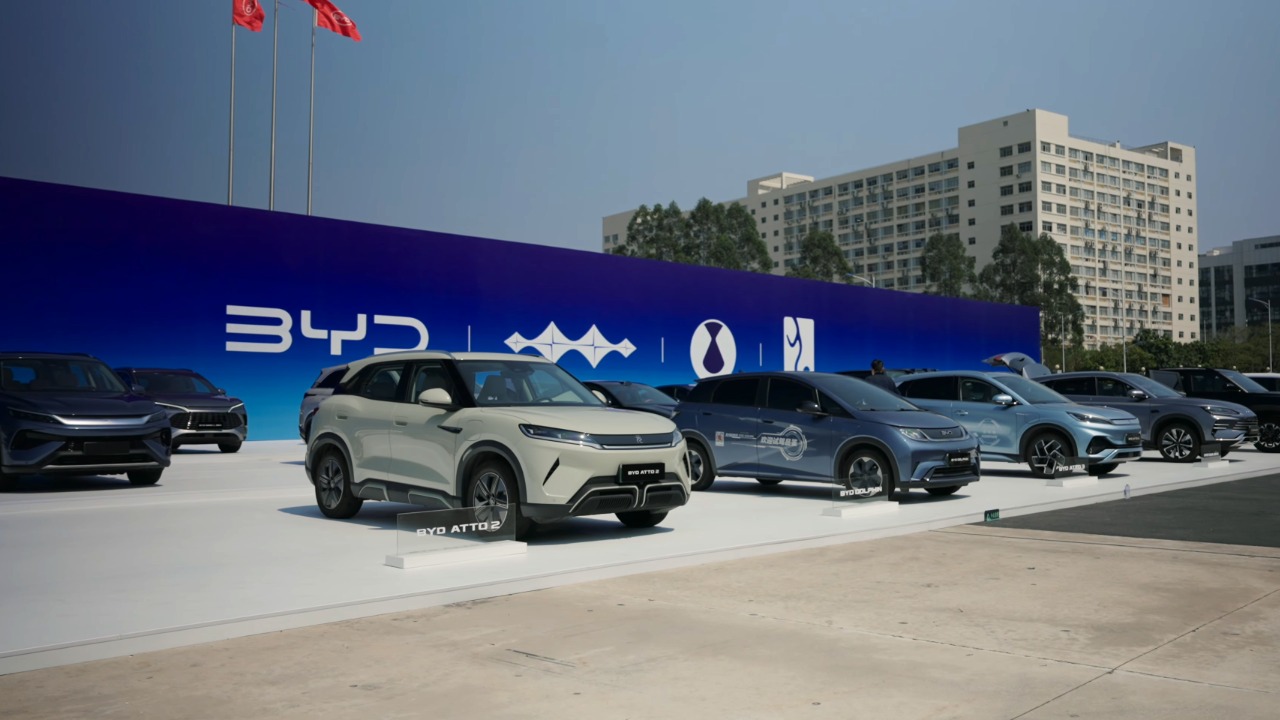
On the European side, the political pressure that drove the original tariffs has not disappeared, and any deal will have to satisfy governments worried about jobs and industrial capacity. European leaders have watched Chinese electric vehicles surge in their markets even with tariffs in place, with analysts noting that Chinese brands have continued to gain share in Europe despite the duties, a trend that has fed concerns in capitals from Berlin to Paris that domestic manufacturers could be squeezed if nothing is done, a dynamic that has been central to the debate over how Chinese EVs are reshaping the European market.
At the same time, the prospect of a negotiated price framework has been welcomed by investors who see it as a sign that the worst of the trade war might be over. Shares in Chinese automakers jumped as reports emerged that the EU was considering a pricing offer over tariffs, with China EV makers rising on expectations that a deal would give them clearer access to Europe and reduce the risk of further punitive measures, a reaction that underlined how closely Automakers are tracking the negotiations.
Inside the negotiating room: price undertakings and “no one-size-fits-all”
Behind the scenes, trade officials are working through the details of what they describe as a price undertaking framework tailored to the electric vehicle case. China and the Euro area negotiators have signaled that they want a flexible arrangement that can account for different models, technologies, and cost structures, rather than a rigid formula that might quickly become outdated as battery costs fall and new vehicles enter the market, a point underscored in discussions of China–EU Trade Ties where officials emphasized that there should be no one-size-fits-all rule.
Industry voices have also played a role in shaping the contours of the deal, with analysts and commentators such as Max McDee noting that after a period of intense confrontation, things are now cooling down as China and the European Union shake hands on a new arrangement for EV prices that would give manufacturers more certainty. In that account, the agreement that officials announced on January 12, 2026, is seen as a turning point in which they reached a basic understanding on how to handle pricing and subsidies in the sector, a moment that Max described as a handshake on a new deal for EV prices.
More from Morning Overview