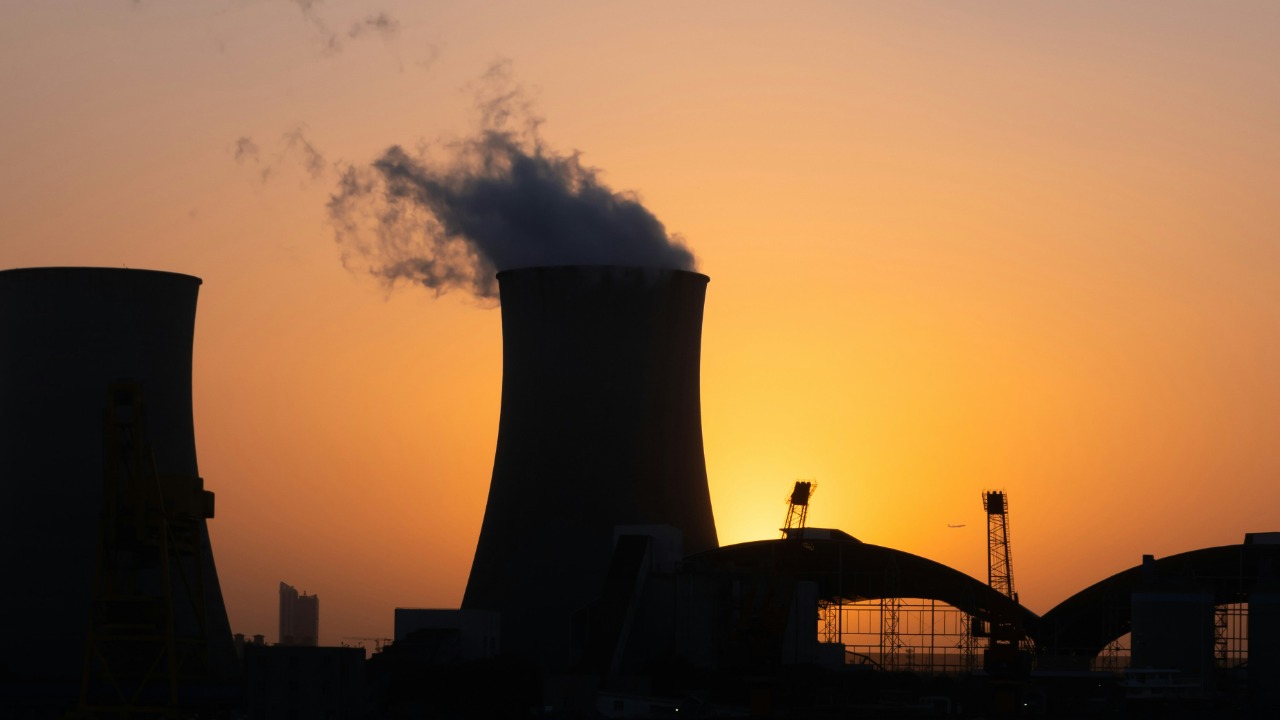

The Department of Energy is moving quickly to rebuild the United States nuclear fuel ecosystem, tying together new money, new infrastructure and new partners in a coordinated push. The initiative is meant to turn nuclear power from a vulnerable corner of the grid into a backbone of long term energy security, with a particular focus on fuel that no longer depends on foreign enrichment. It is an aggressive bet that a stronger domestic supply chain can support both today’s reactors and the advanced designs that are supposed to carry nuclear power into the middle of the century.
The new fuel push and why it matters now
The Department of Energy on Wednesday framed its latest actions as a full scale effort to build out the nation’s nuclear fuel supply chain, not a one off grant program. Officials are asking Congress for additional authority and funding while also trying to unlock large volumes of private capital, signaling that public money alone will not be enough to meet the scale of the challenge. By focusing on enrichment, fabrication and waste handling in one package, the department is trying to close the gaps that have kept utilities dependent on imports even as they talk about a nuclear revival, a strategy reflected in the way Department of Energy described its Wednesday announcement.
At the same time, the department is pitching this as an industrial policy play that can pull in significant private investment alongside federal dollars. Officials have emphasized that the Department of Energy wants to catalyze tens of billions in capital spending by companies that see a long term market for enriched uranium and advanced reactor fuel, rather than leaving taxpayers on the hook for every new facility. That ambition is clear in the way the Department of Energy has described its goal of drawing in large volumes of capital investment from the private sector.
Billions for enrichment and a rebuilt supply chain
The financial centerpiece of the strategy is a commitment of $2.7 billion to develop a supply chain for nuclear reactor fuel, a figure that signals how seriously the Department of Energy is taking the risk of a fuel bottleneck. That money is aimed at restoring domestic enrichment capacity, supporting new conversion and fabrication plants and making sure that advanced reactors have access to the specialized fuel they need. The department has described this as a bet on both current light water reactors and the next generation of designs, with the goal of making sure fuel availability does not become the limiting factor on nuclear growth.
In parallel, the U.S. Department of Energy Awards program has committed $2.7 Billion specifically to Restore American Uranium Enrichment, a move that underscores how central enrichment is to the broader fuel strategy. That award is framed as part of a larger push to rebuild the entire front end of the fuel cycle, from uranium mining through to enriched product ready for fabrication. By tying the enrichment awards to a long term plan for domestic capability, the Department of Energy is signaling that it wants to move beyond stopgap purchases and toward a durable industrial base.
From Paducah to innovation campuses: building physical infrastructure
Money alone will not deliver fuel, so the department is backing specific projects that can turn funding into physical capacity. One high profile example is the decision to support a company that was awarded funding to build and operate an enrichment facility in Paducah, Kentucky, where plans call for repurposing a former gaseous diffusion site into a modern centrifuge based plant under a contract that will last until 2040. That project is meant to anchor a regional cluster of suppliers and skilled workers, while also sending a signal to utilities that domestic enrichment will be available on a predictable timeline. It also illustrates how the department is trying to reuse legacy nuclear infrastructure rather than starting from scratch in every location.
Beyond individual plants, the Department of Energy Seeks Hosts for Nuclear Lifecycle Innovation Campuses, issuing a Request for proposals to communities and institutions that want to host hubs for research, demonstration and workforce training. These campuses are envisioned as places where fuel cycle technologies, waste management approaches and reactor components can be tested and refined as part of a broader energy strategy for the country. By pairing industrial projects like Paducah with innovation campuses, the department is trying to ensure that new ideas can move quickly from the lab to commercial deployment.
Advanced reactors, Standard Nuclear and the next wave of demand
The fuel push is tightly linked to a broader plan to unleash what The Department of Energy calls America’s next nuclear renaissance, which includes both reinvigorating existing plants and accelerating deployment of new designs. In a recent fact sheet, The Department of Energy, or DOE, described how it is working to support a fleet of U.S. small modular reactors and other advanced systems that will need reliable supplies of enriched fuel over several decades. That vision of a larger, more flexible nuclear fleet is central to the department’s argument that its current actions are not just about today’s shortages but about positioning America for long term leadership.
On the private side, the United States Department of Energy has conditionally selected Standard Nuclear to help kickstart U.S. nuclear fuel production, a move that ties a specific company to the broader policy goals. The DOE has described how supporting the reactor pilot and associated fuel facilities can help attract further investment and move toward commercial scale deployment, turning a single project into a template for others. By backing Standard Nuclear alongside other firms, the department is trying to create a competitive ecosystem rather than a single national champion.
Managing bottlenecks and aligning with security strategy
Even with new money and projects, the Department of Energy is candid that the nuclear sector faces a near term fuel bottleneck that could choke a nuclear resurgence before it begins. The Department of Energy has picked three companies for major enrichment awards, a move that is meant to spread risk and accelerate capacity additions so that utilities are not left waiting for a single supplier. Those awards, described in detail when Department of Energy announced them, are explicitly framed as a response to that looming bottleneck.
Behind those individual decisions sits a broader DOE Strategy for Restoring the Domestic Uranium Enrichment Supply Chain, which lays out a sequencing approach that addresses near term fuel assurance while enabling longer term deployment pathways. The strategy emphasizes building capability across technologies and vendors, rather than locking in a single enrichment method or supplier, in order to keep costs down and resilience high. That approach is spelled out in the DOE strategy document, which ties fuel policy directly to long term deployment of advanced reactors.
More from Morning Overview