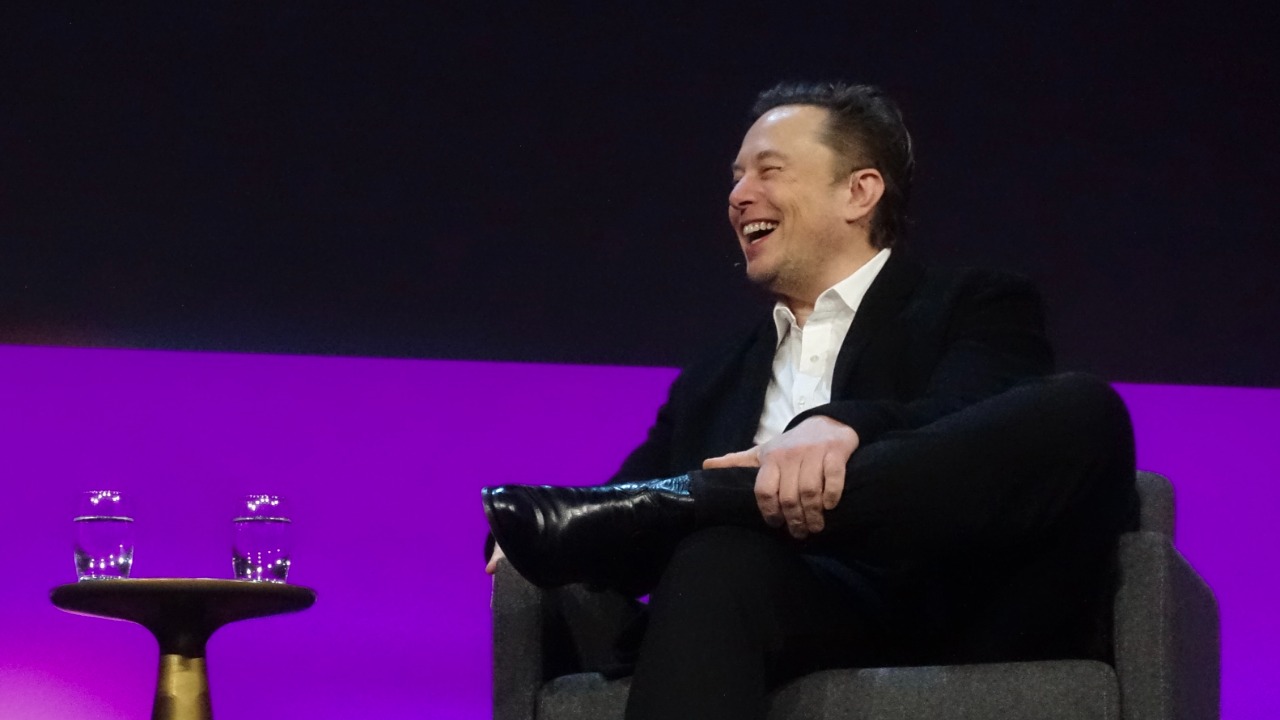

As temperatures plunged and power lines snapped across Tennessee, thousands of families found themselves shivering in the dark with no clear sense of when the lights would come back on. Into that vacuum stepped Elon Musk, whose companies and affiliated projects moved quickly to ship generators and bolster connectivity for some of the hardest hit communities. His intervention, coordinated with state and local officials, turned a tech billionaire’s reputation for disruption into something more concrete for storm survivors: a way to keep the heat, oxygen machines, and phone chargers running when the grid failed.
The emergency aid effort, routed through Musk’s xAI initiative and related networks, has become an unexpected test case for how private tech power can plug into public disaster response. In a region where winter storms are growing more punishing, the arrival of truckloads of generators and satellite-linked services is reshaping expectations of who shows up first when the weather turns deadly.
The storm that plunged Tennessee into crisis
The latest blast of Arctic air did not just dust the hills of Tennessee with snow, it delivered a historic winter storm that knocked out power for hundreds of thousands of residents and strained an already fragile grid. In and around NASHVILLE, Tenn, ice-laden trees toppled onto lines and transformers failed, leaving entire neighborhoods dark as temperatures stayed well below freezing. Local reporting described a patchwork of outages that stretched from urban cores to rural hollows, with some households warned they could be without electricity for days.
The scale of the damage prompted a federal emergency declaration for Tennessee, unlocking national resources to support response efforts across all 95 counties. President Donald Trump’s approval of that declaration allowed federal agencies to assist Governor Bill Lee’s administration with everything from debris removal to emergency power generation as the winter storm progressed. Even with that help, local officials warned that vulnerable residents, especially seniors and people dependent on powered medical devices, faced immediate danger if they could not find a way to keep the electricity flowing at home or reach a heated shelter.
Elon Musk and xAI step in with 1,000 generators
Into that landscape of cold and uncertainty came a high profile private donor: Elon Musk. Through his xAI initiative, Musk arranged the purchase and delivery of a large shipment of portable generators aimed at households that had been without power the longest. A widely shared message from a Tesla-affiliated account stated that Elon Musk, through xAI, has donated 1,000 g to help families in Tennessee and Mississippi still dealing with major power problems, underscoring both the scale of the gift and its focus on residential needs.
State emergency officials later clarified how that headline figure would be split on the ground. Through a generous donation from Elon Musk and xAI, the Tennessee Emergency Management Agency reported that the state received and distributed 500 generators to local partners across Ten communities, pairing them with carbon monoxide detectors to reduce the risk of deadly fumes. That left roughly half of the 1,000 units available for neighboring Mississippi, where ice and snow had also knocked out power and left families scrambling for backup heat.
How the generators reached Tennessee neighborhoods
Getting hundreds of generators from warehouses to front porches required more than a single donor’s check, it depended on a fast build out of local logistics. Tennessee’s emergency agency said that, through the Musk and xAI donation, those 500 g were handed off to county-level partners who know which residents are medically fragile, isolated, or otherwise at greatest risk. Distribution is being coordinated locally, with community organizations and first responders identifying households where a generator could mean the difference between staying home safely and a dangerous trip over icy roads to a shelter.
On the ground, that has translated into a mix of drive-through pickup sites and door-to-door deliveries, particularly in rural stretches of state where outages can last longest. Officials have emphasized the importance of pairing each unit with safety education and detectors to prevent carbon monoxide poisoning, a recurring threat whenever residents turn to gasoline powered equipment indoors or too close to living spaces. In practice, that means volunteers are not just dropping off machines, they are walking families through safe setup and reminding them to keep generators outside and well ventilated.
Mississippi and Memphis feel the ripple effects
The Musk backed aid did not stop at the state line. In northern Mississippi, where the same winter system glazed roads and snapped power lines, local officials confirmed that 500 generators were earmarked for residents still without electricity. Reporting credited Elon Musk’s xAI with sending 500 generators to North Mississippi residents, with local leaders again prioritizing households that had gone days without power or that relied on electricity for medical equipment.
The storm’s impact also rippled into Memphis, a city that often finds itself at the crossroads of regional weather disasters. Coverage of the generator shipments noted that the same network of Musk affiliated support had previously been involved in plowing streets in Memphis, highlighting how private resources can supplement municipal crews when ice paralyzes traffic. In this latest storm, the city’s proximity to both West Tennessee and North Mississippi made it a logistical hub, with trucks and volunteers moving equipment through Memphis on the way to smaller communities that lack large warehouses or staging areas.
Public officials welcome private help, but stress coordination
For Tennessee’s political leadership, the Musk donation has been both a practical boost and a public relations moment. Gov. Bill Lee publicly expressed gratitude, with one account summarizing his message as “Gov, Lee Thanks Elon to Tennesseans Still Without Power,” crediting the tech executive with stepping up at a moment when many residents felt forgotten. That praise, amplified on social media and local radio, underscored how visible private aid can shape the narrative of who is delivering for storm victims.
At the same time, state agencies have been careful to frame the Musk backed effort as one piece of a broader response that includes federal disaster support, local utility crews, and nonprofit relief groups. The emergency declaration for federal aid remains the backbone of the state’s recovery plan, and officials stress that any outside donations must be tightly coordinated to avoid duplication or gaps. In practice, that has meant routing the xAI generators through the same emergency management channels that handle government supplied equipment, rather than letting them flow through ad hoc or purely private networks.
More from Morning Overview