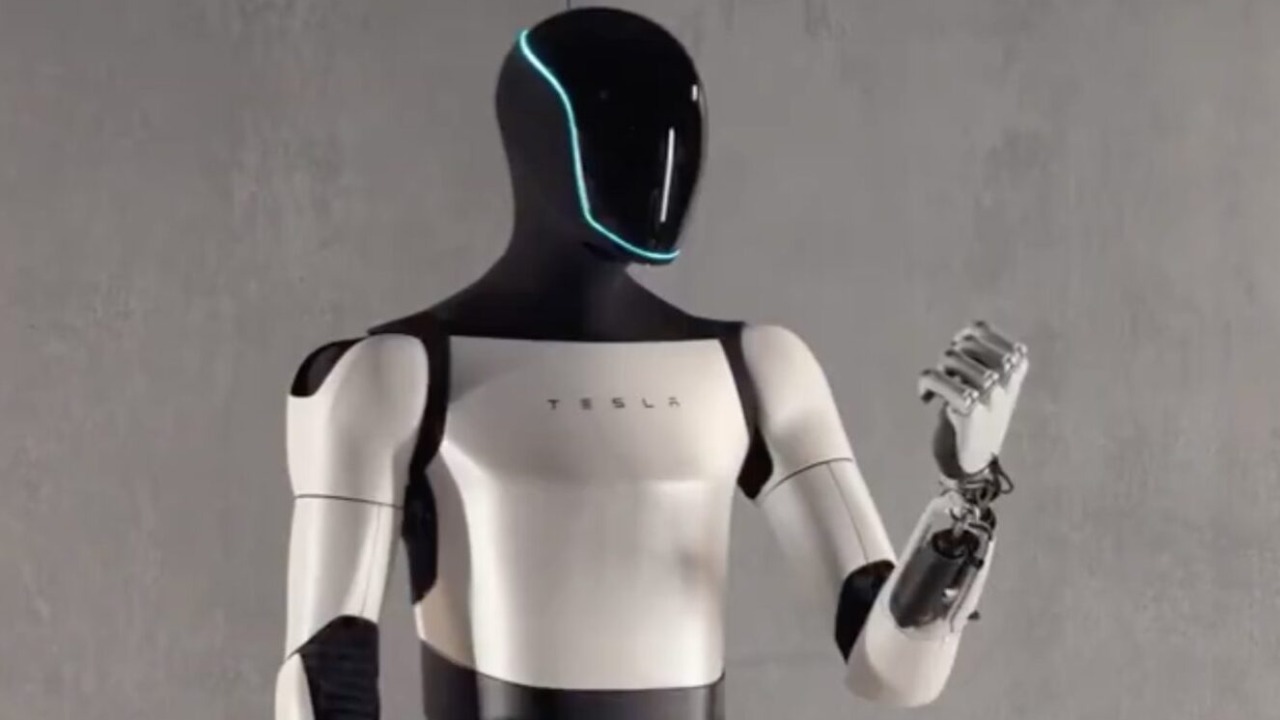

Tesla is shutting down its flagship Model S sedan and Model X SUV to clear the decks for a radically different bet: humanoid robots. Elon Musk is steering the company away from its earliest premium cars and toward Optimus, a factory worker turned potential home assistant that he now presents as central to Tesla’s future. The move crystallizes a shift from being primarily an electric carmaker to a broader robotics and autonomy company, with all the risk and ambition that implies.
The decision lands at a moment when Tesla is under pressure from intensifying EV competition and slowing growth in some markets, yet still has investors willing to fund big swings. Killing off the Model S and Model X is not just a product refresh, it is a declaration that the next phase of value will come from software, robotaxis and humanoid machines rather than from ever more variants of the same cars.
The end of Model S and X, and what Musk means by ‘honorable discharge’
Elon Musk has confirmed that Tesla will discontinue the Model S and Model X, effectively ending production of the vehicles that defined the company’s early move into the luxury EV market. On the latest earnings call, he framed the decision as giving the two cars an “honorable discharge,” a nod to their role in establishing Tesla’s brand and technology leadership before the company pivots its factories to new priorities. Reporting on the call notes that Tesla will wind down the premium sedan and SUV by the end of the next quarter, with Musk positioning the shift as a natural evolution rather than a retreat from high-end vehicles.
In explaining the move, Musk has urged investors to stop fixating on unit sales of specific cars and instead focus on what he calls a future built on autonomy and robotics. He has repeatedly argued that the long term value of Tesla lies less in selling more Model S or Model X units and more in deploying fleets of robotaxis and humanoid machines that can work in factories and, eventually, homes. That narrative was front and center as Tesla detailed how it will discontinue the two models while ramping up its Optimus program, with Tesla telling shareholders that the change is part of a broader strategic realignment.
From Fremont sedans to factory robots
The most immediate impact of the decision is on Tesla’s manufacturing footprint, particularly at its original Fremont, California plant. Management has laid out plans to convert the lines that currently build the Model S and Model X into production space for Optimus humanoid robots, effectively turning part of a car factory into a robot factory. Local reporting describes how the company will stop production of the two models and retool Fremont to produce its new machines, with Musk casting the conversion as essential to producing Optimus at scale.
That shift is not just symbolic. Analysts tracking the company’s capital plans say Tesla expects its capital expenditures to exceed $20 billion in 2026, a figure that reflects heavy investment in Optimus and autonomous vehicle programs rather than in new traditional car lines. On the earnings call, executives described a “Management View” that redefines Tesla’s mission around “amazing abundance,” with Optimus and self driving technology at the core of that vision. The company has signaled that a significant share of that more than $20 billion will go toward expanding robot production capacity and related infrastructure, a point underscored in Management View materials that tie the spending directly to the Model S and Model X wind down.
Optimus 3, autonomy and the new Tesla mission
For Musk, Optimus is not a side project, it is the centerpiece of what he now describes as Tesla’s updated mission. In a recent presentation on Tesla Optimus, he outlined a roadmap in which the Optimus 3 humanoid robot takes on increasingly complex factory tasks by the end of 2026, then gradually moves into public facing roles. He has talked about robots that can handle repetitive industrial work, assist with household chores, care for pets or help elderly parents, all in service of what he calls “creating abundance” through automation, a vision he detailed in a video focused on Tesla Optimus.
That narrative dovetails with his long running push for full autonomy in Tesla vehicles and a future fleet of robotaxis. On the same earnings call where he announced the end of the Model S and Model X, Musk again pressed investors to judge Tesla on its progress in autonomy rather than on quarterly delivery numbers. He has described a world in which Optimus robots work alongside autonomous vehicles, with both drawing on Tesla’s AI and manufacturing expertise. Financial commentary on the call notes that the company is explicitly betting its future growth on Optimus robots and autonomous vehicles, with Tesla telling the market that these areas will be the primary growth drivers, even if they come with long timelines and execution risk.
Why Tesla is sacrificing its oldest premium cars
Underneath the rhetoric about abundance and autonomy lies a more prosaic reality: the Model S and Model X are aging products in a segment that has become far more crowded. The Model S launched in 2013 and The Model X followed in 2015, and while both helped define the modern EV era, they have not seen the same sales momentum in the past five years as Tesla’s newer, more affordable models. Coverage of the decision to end the two cars points out that they now represent a relatively small share of Tesla’s overall volume, which makes them prime candidates for retirement as the company reallocates factory space to higher growth bets like Optimus, a rationale laid out in detail in analysis of Why the company is killing the models.
At the same time, Musk is using the shift to reinforce his message that Tesla is no longer just a carmaker. On the call, he said Tesla would stop making the Model S sedan and Model X SUV later this year, freeing up factory space for new products and signaling that the company’s identity is tied less to any single vehicle and more to its AI and robotics platforms. Investor focused summaries of the announcement highlight that Tesla CEO Elon Musk is willing to retire even the well known Model S sedan to pursue that strategy, with Key Takeaways noting that the Model X SUV is also being phased out as part of the same push.
How Optimus could reshape Tesla’s factories and finances
What Tesla does with the freed up capacity will determine whether this gamble pays off. Company briefings describe a plan to wrap up production of the Model S and Model X to make room for Optimus humanoid robots, with the expectation that the same lines that once built premium EVs will eventually turn out large numbers of robots. Analysts following the transition say Tesla is effectively betting that Optimus can become a major product line in its own right, with some projections suggesting that once the shift is complete, the Fremont facility could be capable of producing significant volumes of robots each year, a scenario outlined in coverage of how Tesla is wrapping up production of the cars.
On the financial side, Tesla has told investors that its capital spending will climb as it builds out Optimus capacity and related AI infrastructure. One summary of the company’s outlook notes that on its fourth quarter earnings call on Wednesday, Tesla said its capital expenditures will exceed $20 billion in 2026, much of it tied to Optimus expansion and autonomous vehicle development. Another breakdown of the call lists “Key Takeaways” that include the decision to end production of the Model S and Model X next quarter as part of Tesla’s transition from a pure EV maker to a broader robotics and autonomy company, a framing that appears in analysis of Key Takeaways from the earnings discussion.
More from Morning Overview