
Electric SUVs and trucks promise low running costs and quiet power, but the wrong choice can leave you juggling service appointments instead of charging sessions. Reliability data now shows clear patterns in which battery-powered utility vehicles are most likely to strand owners. If you want to avoid constant breakdowns, it pays to look closely at the models and technologies that are struggling in the real world.
Across multiple surveys and rankings, electric SUVs and pickups are turning out to be more trouble-prone than conventional gas vehicles, and often more finicky than hybrids. I focus here on the patterns that matter most for shoppers, then point to specific models and tech choices that are flashing red on the dependability dashboard.
Why electric SUVs and trucks struggle with reliability
The first warning sign comes from broad reliability surveys that compare powertrains across the market. One recent analysis of owner reports found that fully electric vehicles and plug-in hybrids are significantly more failure-prone than traditional gasoline cars, with EVs and plug-in hybrids described as about 80% more problematic when looking at the last three years of data. Another large-scale survey of car owners, released in Dec as part of a 2026 reliability report, concluded that electric vehicles are less reliable than conventional cars, even as some brands such as Lexus, whose RZ SVU is highlighted, buck the trend by landing near the top of the rankings for overall dependability and owner satisfaction survey. These broad findings set the stage for why shoppers need to be especially careful with electric SUVs and trucks, which combine complex drivetrains with heavy bodies and cutting-edge software.
Analysts who presented the 2026 reliability findings at an Automotive Press Association event in Dec underscored that the problems are not isolated to one brand or model, but are systemic to the way many EVs and plug-in hybrids are engineered and built. According to that presentation, Consumer Reports data shows persistent trouble spots in high-voltage batteries, charging hardware, and sophisticated electronics that control everything from climate systems to driver-assistance features. When those components fail, repairs can be slow and expensive, which is why I see reliability as just as important as range or performance when evaluating any electric SUV or truck.
Least reliable electric SUVs: patterns you should not ignore
Electric SUVs are at the center of the reliability storm, in part because they pack heavy battery packs into tall, family-focused bodies that demand robust suspension, brakes, and electronics. A Dec rundown of the 10 Least Reliable Vehicles for 2026 highlighted how some battery-powered SUVs scored as low as 5 out of 100 on predicted reliability, with the Ram 1500 pickup at that rock-bottom level and several electrified SUVs not far behind. The same list noted that even after three years of production, some electric models still posted scores as low as 29 out of 100, a sign that early design flaws and software bugs are lingering instead of being fully resolved.
Another Dec ranking of the 10 least reliable 2026 models drilled into what is actually going wrong inside these SUVs. One electric SUV on that list was flagged for severe EV battery issues, including cases where the pack required full replacement, along with persistent EV charging problems that left owners hunting for functioning fast chargers or dealing with repeated fault codes at home Trouble. Owner comments in that analysis described how the SUV spent extended time at dealerships while technicians chased intermittent faults, which is exactly the kind of experience drivers want to avoid when they are counting on an electric family hauler as their primary vehicle.
Tesla SUVs and Cybertruck: not immune to breakdown headaches
Tesla has long marketed its vehicles as high-tech alternatives to traditional SUVs and trucks, but the reliability record is mixed once you look past the marketing. A major survey of automaker reliability placed Tesla near the bottom of the brand rankings, and singled out electric SUVs such as the Models X and Y, along with the Audi E-Tron and Volkswagen ID. 4, for particular concern survey. Owners of these SUVs reported glitches in their electronics, including climate controls and infotainment systems, as well as issues with body hardware such as doors and trim that can be especially frustrating in a premium-priced vehicle.
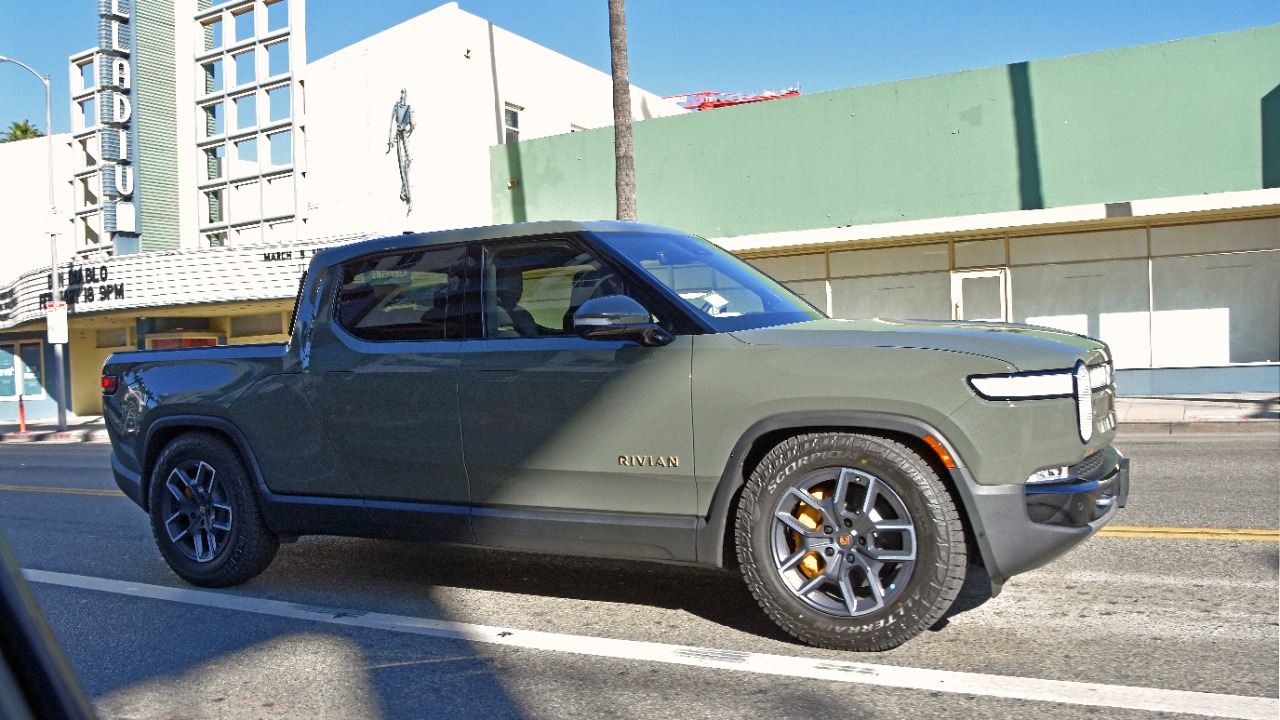
More recent reliability data breaks Tesla’s lineup into specific models, and the picture is nuanced but still cautionary for buyers who hate service visits. The company’s two legacy models, the Model S sedan and Model X SUV, now show roughly average reliability, but the newer Cybertruck pickup is rated with below-average reliability in the latest assessments The Cybertruck. That is a red flag for anyone considering an electric truck for towing or work duty, where downtime is especially costly. While Tesla continues to tout over-the-air updates and a growing Supercharger network on its own site, the hard numbers suggest that buyers who prioritize bulletproof reliability should be cautious about jumping into the brand’s most complex SUVs and trucks in their early years.
Plug-in hybrids and complex tech: why some “compromise” SUVs are worse
Many shoppers assume that plug-in hybrid SUVs and trucks offer the best of both worlds, with electric commuting and gas backup for long trips. Reliability data tells a different story. In the latest Dec reliability report, analysts noted that fully electric vehicles are somewhat more reliable than plug-in hybrids, but still less reliable than conventional gasoline models overall In the. Plug-in hybrids combine an internal combustion engine, a full hybrid system, and a high-voltage battery with charging hardware, which means more parts that can fail and more software that has to keep everything in sync.
Video breakdowns aimed at SUV shoppers have started to echo this caution, warning that Buying a new SUV in 2026 should deliver confidence, not constant anxiety over recalls, charging failures, or expensive electronic repairs Buying. These explainers point to mainstream plug-in hybrid SUVs that look appealing on paper but are plagued by charging problems, drivetrain warning lights, and software conflicts between the gas and electric sides of the powertrain. When I weigh those patterns against the broader survey data that pegs EVs and plug-in hybrids as about 80% more problematic than gas cars, it reinforces a simple rule of thumb: if you are allergic to breakdowns, be very wary of the most complicated plug-in SUVs and trucks, especially in their first model years.
Smarter alternatives and how to shop if you value uptime
The good news is that not every electric SUV or truck is a reliability nightmare, and owner surveys now highlight clear alternatives. One Dec analysis of electric vehicles to avoid pairs each problem model with a more dependable option, pointing shoppers toward EVs that deliver better reliability scores and higher owner satisfaction Consumer Reports. In the same ecosystem of data, Lexus emerges as the third most reliable brand in the 2026 survey, and its RZ SVU stands out as an example of an electric utility vehicle that does not drag down the brand’s overall score. That kind of track record matters more than any single feature when your goal is to avoid the service bay.
Other brands are also trying to position their electric SUVs as long-term bets rather than science experiments. Luxury-focused Genesis has leaned on conservative engineering and extended warranties to reassure buyers of its battery-powered crossovers, while Kia has built a family of EV SUVs that mix mainstream pricing with increasingly mature electric platforms. At the same time, the Dec reliability survey that found EVs lagging behind gas cars also showed that hybrids, which use smaller batteries and simpler charging setups, remain among the most dependable vehicles on the road. For shoppers who truly hate breakdowns, I see three practical strategies: favor brands with strong reliability histories in the latest surveys, consider simpler hybrids over complex plug-in SUVs, and be cautious about first-generation electric trucks and large SUVs until their real-world track records catch up with their spec sheets.
More from Morning Overview