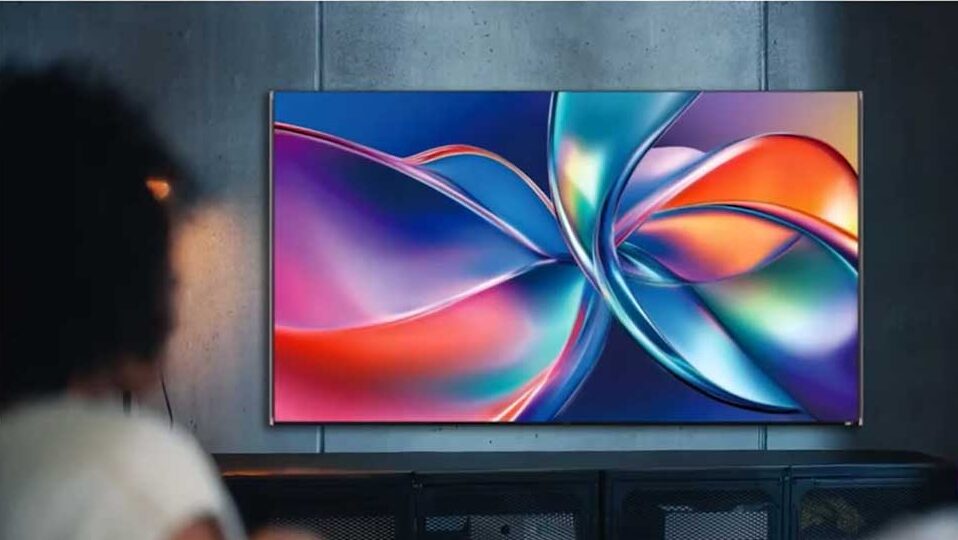

Dolby Vision 2 is no longer a lab demo or a vague promise. It is a concrete upgrade to one of the most widely used HDR formats, arriving on 2026 TVs with a new image engine, smarter tone mapping and features that reach from premium OLED flagships down to budget sets. The changes are technical, but the stakes are simple: movies, shows and live sports should look closer to the creator’s intent on a far wider range of screens.
As manufacturers lock in their lineups for this year, Dolby Vision 2 is emerging as a key differentiator in the next wave of televisions and streaming experiences. I see it as the moment HDR stops being a spec-sheet checkbox and starts behaving like a living system that adapts to your room, your content and your hardware in real time.
What Dolby Vision 2 actually is
At its core, Dolby Vision 2 is an evolution of the existing Dolby HDR standard rather than a brand new format that breaks compatibility. Dolby describes it as a next generation image engine that sits inside the TV, using more powerful and intelligent processing to extract extra performance from the panel you already have. The company’s own announcement frames Next Gen Dolby as the heart of the upgrade, and that engine is what allows Dolby Vision 2 to run on everything from high end OLEDs to more modest LCDs without changing the underlying movie or show.
Crucially, the goal is not to alter how films are graded in the studio but to interpret that grade more intelligently in your living room. Reporting from IFA 2025 makes clear that Dolby Vision 2 is a new image engine layered on top of the existing Dolby pipeline, so content mastered in Dolby Vision continues to work while the TV gains new tools to manage brightness, color and motion. That means the upgrade is about smarter playback, not forcing studios to redo their catalogs.
Key picture upgrades: brightness, black levels and motion
The headline change is how aggressively Dolby Vision 2 adapts to the capabilities of each display. Earlier HDR implementations often assumed a very bright, very capable panel, which left cheaper sets struggling with crushed blacks or blown out highlights. Dolby now says Precision Black is part of the new system, reducing consumer frustration with washed out dark scenes by managing local dimming and near black detail more precisely. In practice, that should mean you see more shadow texture in a show like “The Batman” without losing the inky look that directors want.
Dolby Vision 2 also leans harder on real time analysis of the image and the room. Coverage of the format explains that light sensor features and changing motion handling are part of the package, allowing the TV to adjust tone mapping based on ambient light and the type of content on screen. That could mean a brighter mid tone curve for daytime sports, then a more restrained, cinematic look for a dark drama at night, all while keeping the HDR metadata intact.
Why it matters for cheaper TVs as much as flagships
One of the most important shifts with Dolby Vision 2 is that it is explicitly designed to help budget hardware. Earlier implementations of Dolby Vision tended to shine only on the highest end displays, but the new engine is tuned to squeeze more performance out of limited backlights and lower peak brightness. Reporting on 2026 sets notes that Dolby Vision 2 applies its tweaking to a wider range of TVs, including cheaper budget models that typically struggle with HDR, which is why the format is being pitched as a way to make a 300 dollar set behave more like a 1,000 dollar one.
This matters because HDR has often been a disappointment on entry level hardware, where static tone mapping and limited dimming zones turn “high dynamic range” into a marketing term rather than a visible upgrade. By moving more of the intelligence into the Dolby engine, a mid range Hisense or TCL can interpret the same Dolby metadata more gracefully, preserving highlight detail and color volume without demanding a premium panel. That is the logic behind Dolby’s claim that Dolby Vision beyond unlocks more potential from your TV through new powerful and intelligent technology rather than brute force hardware.
How Dolby Vision 2 compares with HDR10, HDR10+ and Dolby Vision 2 Max
Dolby’s move does not happen in a vacuum. HDR10 remains the baseline, open standard, while HDR10+ was introduced by Samsung and Amazon as a royalty free upgrade that adds dynamic metadata. Dolby Vision has long gone further with scene by scene control, and Dolby Vision 2 extends that lead by adding the new engine, ambient light awareness and more granular control over tone mapping. Analysis of the competing formats notes that at the end of the day, the goal is to preserve the artistic grade, and Dolby’s approach is to keep that grade intact while giving the TV smarter tools to render it.
Inside the Dolby ecosystem, there is also a split between Dolby Vision 2 and Dolby Vision 2 Max. For anyone less familiar with Dolby Vision itself, it is already one of the most advanced HDR High Dynamic formats available, and Dolby Vision 2 changes that by giving content creators and TVs more flexibility. Dolby Vision 2 Max then pushes further for the very highest end displays, but the core story for most buyers is that standard Dolby Vision 2 already improves tone mapping and consistency without fragmenting the content library.
Creator control, live sports and the “beyond HDR” pitch
From the content side, Dolby is trying to reassure filmmakers and colorists that the new system does not override their work. John Couling, Senior Vice President, Entertainment at Dolby Laboratories, is cited in analysis of What We Know so far as emphasizing that at the heart of Dolby Vision 2 is a desire to give content creators more control, not less. The dynamic metadata still reflects the original grade, but the engine can respect that intent more faithfully across wildly different TVs, which is a real problem today when a dark Netflix drama looks perfect on one screen and murky on another.
Live sports is the other big frontier. At CES 2026, Peacock announced that it is expanding Dolby Vision and Atmos to live sports coverage, and that Dolby Vision 2, introduced at IFA 2025, builds on the existing Dolby Vision technology with improvements in picture clarity and motion that are particularly relevant for fast action. That is where the “beyond HDR” language comes from: Dolby is not just chasing higher peak brightness, it is trying to stabilize motion, reduce banding and keep grass, jerseys and stadium lights looking natural as the camera pans and zooms.
Which brands are on board and when you will see it
On the hardware side, Dolby has started naming names. Earlier this year, the company confirmed the first planned TV brands to support Dolby Vision 2, noting that two of them are big Samsung rivals in the global TV market. Separate reporting describes how Dolby Vision HDR 2 was initially announced with Hisense listed as the only TV partner, but that picture has changed as more manufacturers have signed on for their 2026 lineups.
Philips has become the first TV brand to officially announce support for Dolby Vision 2, confirming that its 2026 Philips OLED models will carry the new format. With Hisense and TCL onboard, Philips TP Vision is the next company to reveal that it will add Dolby Vision 2 support to its TVs, and there is already discussion of whether some existing models, pre 2026, might be updated. That mix of Chinese value brands and a European stalwart suggests Dolby Vision 2 will not be confined to one price tier or region.
What it means for your next TV purchase
For buyers, the practical question is how to weigh Dolby Vision 2 against other specs when choosing a new TV. I see it as a meaningful tie breaker rather than the only factor that matters. A great panel without Dolby Vision 2 will still beat a poor panel with it, but when you are comparing similarly priced sets, the presence of the new engine should translate into more consistent HDR performance across streaming apps and discs. Guides aimed at shoppers already advise reading up on Dolby Vision 2 versus HDR10+ Advanced before you buy your next TV, precisely because the format choice now affects how well a set can handle the highest end displays out there.
Dolby itself pitches the upgrade as a way to make entertainment feel more cinematic, and consumer explainers describe Dolby Vision 2 as Dolby’s next generation image engine that will deliver a more consistent, cinematic experience. Another breakdown notes that Dolby Vision 2 takes all the benefits of the original format and does even more, especially for movies, shows and sports. If you care about that kind of polish, looking for the Dolby Vision 2 logo on a 2026 TV is likely to matter as much as checking for HDMI 2.1 or a good local dimming implementation.
Supporting sources: Dolby Vision 2.
More from Morning Overview