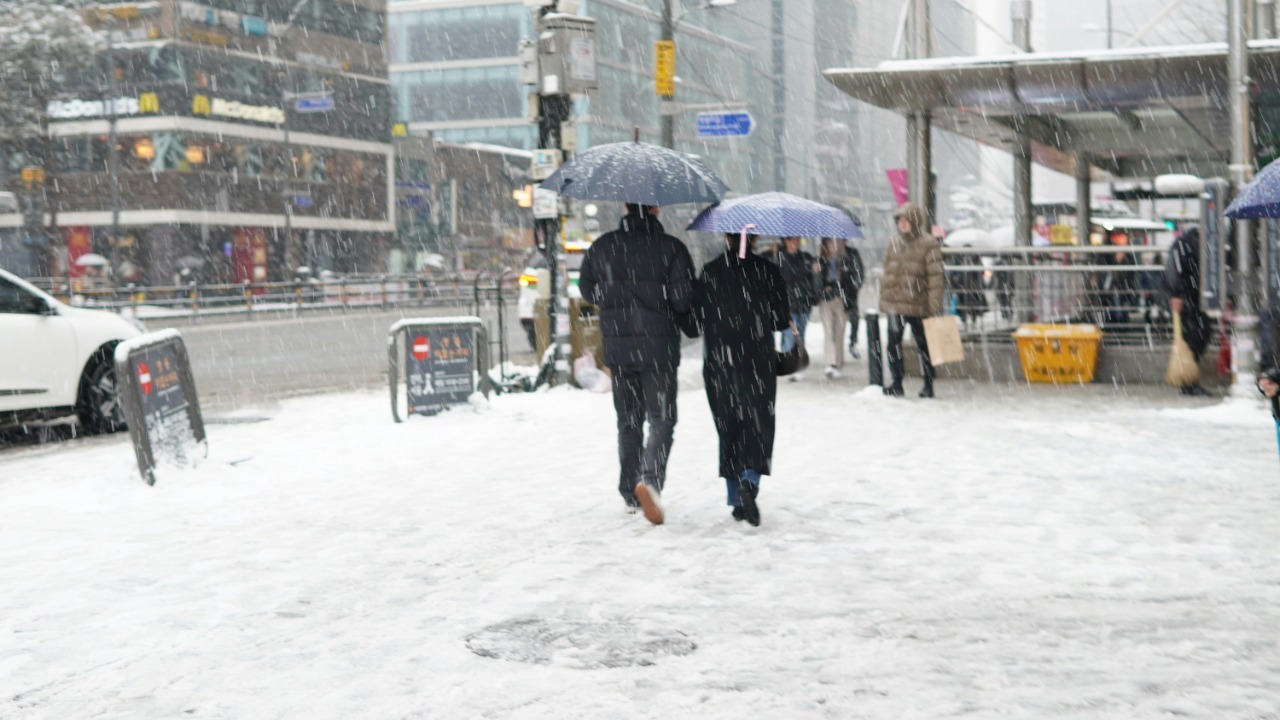

As Winter Storm Fern gripped large swaths of the country, the Department of Energy moved at emergency speed to keep the lights on in New England and Texas. Federal officials invoked rarely used powers to let grid operators push generators harder, relax pollution limits, and tap backup power that usually sits idle. The rush of orders underscored how fragile the system can become when extreme cold, soaring demand, and aging infrastructure collide.
The stakes are not abstract. Power outages already cost Americans an estimated $44 billion a year, and early reports tied Fern to more than 900,000 customers losing electricity nationwide. The latest emergency actions are meant to keep that number from climbing, but they also raise hard questions about how often the country can rely on last‑minute federal intervention instead of long‑term grid investment.
How Winter Storm Fern Pushed Grids to the Edge
Winter Storm Fern arrived as a classic stress test, combining a deep arctic blast with heavy snow and ice that hammered transmission lines and power plants at the same time demand spiked. In New England, operators warned that frozen equipment and fuel constraints could coincide with record winter peak demand, a scenario that can quickly turn into rolling outages if not managed carefully. Across the country, more than 900,000 electricity customers lost power as the storm swept through, a reminder that even short disruptions can be life threatening when temperatures plunge.
Grid planners had been tracking the threat for days, with one regional operator describing Fern as a “formidable arctic cold front” that would hit neighboring systems as hard as its own. That warning, captured in a filing to federal officials, framed the storm not as a localized problem but as a multi‑region event that could cascade across markets if any one area faltered. Analysts noted that the PJM system, which stretches from the Mid‑Atlantic into the Midwest, was bracing for the same cold snap that threatened New England and Texas, underscoring how weather patterns now routinely stress multiple grids at once.
What the DOE’s Emergency Orders Actually Do
To keep the power flowing, the Department of Energy leaned on Section 202(c) of the Federal Power Act, a rarely used authority that lets federal officials order generators to run in ways that might otherwise violate environmental or operating rules. On January 24, the Department of Energy issued emergency Order No 202‑26‑01 for ERCOT, the Texas grid operator, directing specific plants to be available through the worst of the cold. A broader set of Orders followed, including Order No 202‑26‑03, as the situation evolved.
These directives give grid operators permission to run generators at maximum capacity, even if that means temporarily exceeding certain air quality or other permit limits. Federal documents describe how Grid operators requested this flexibility, arguing that they had enough physical capacity but needed legal cover to use it fully. The Department of Energy agreed, explaining in a separate summary that the emergency orders allow plants to exceed certain quality or other permit limitations when necessary to maintain reliability.
New England’s Plea for Help
In New England, the region’s grid operator took the unusual step of formally asking Washington for emergency relief before conditions deteriorated. ISO New England submitted a detailed request to Secretary Wright, citing a federal regulation, 10 CFR § 205.391, and urging that an order be issued as soon as possible on Jan 25 to cover the peak of the storm. The operator warned that fuel supplies for some generators were tight and that ice‑laden trees were already bringing down power lines across parts of the region.
Secretary Wright responded by issuing an emergency directive tailored to New England and, authorizing additional generation and transmission measures to keep the system stable. A separate federal summary notes that the order covering New England and related regions took effect beginning on January 25 and will expire at 11:59 p.m. EST on January 31, a window designed to span both the initial storm and the lingering cold snap. For residents, the legal language translates into a simple goal: keep heat and lights on even if that means short‑term departures from normal operating rules.
Texas, ERCOT and the Memory of 2021
In Texas, the emergency orders landed in a state still haunted by the catastrophic blackouts of 2021, when millions lost power and hundreds died during a prolonged freeze. ERCOT, which manages the grid covering most of the state, again found itself racing to line up every available megawatt as Fern approached. The federal order for ERCOT, issued On January 24, authorized specific plants to run through the emergency period and directed them to follow ERCOT’s instructions even if that conflicted with other obligations.
State officials also leaned on large industrial users and data centers to reduce strain on the grid. A TEXAS GRID EMERGENCY ORDER directed data centers and other large energy users to activate their own backup generators, shifting their consumption off the main system amid the winter storm. ERCOT’s own legal notice explains that, if ERCOT issues a directive under the federal order, If ERCOT does so it will directly contact the entities involved, a sign of how granular the coordination has become since the 2021 crisis.
Beyond New England and Texas: A National Stress Test
Although the headline focus has been on New England and Texas, the emergency posture now stretches across multiple regions. Federal officials issued a separate directive to deploy backup generation in the Mid‑Atlantic and Carolinas, targeting critical facilities such as hospitals, data centers and other major facilities that cannot afford to lose power. That order, described in a federal summary of how the Mid‑Atlantic response would work, shows how the Department of Energy is increasingly treating winter storms as multi‑state events that require coordinated action.
Publicly available analyses note that utilities across several regions were already dealing with unplanned generator outages as Fern moved through. One industry group explained that the emergency directives, Issued pursuant to Section 202(c) of the Federal Power Act, would help ERCOT and other operators manage those surprises while still meeting demand. Another national overview by Lauren Rosenthal and Malik described how grids from New England to the central United States were bracing for unprecedented seasonal demand, with ERCOT taking similar measures to its eastern counterparts.
More from Morning Overview