
Recent archaeological discoveries beneath the site traditionally believed to be Christ’s burial place have reignited discussions about the historical accuracy of the Bible. These findings offer compelling evidence that aligns with biblical narratives, captivating theologians and historians alike.
Historical Context of Christ’s Burial Site
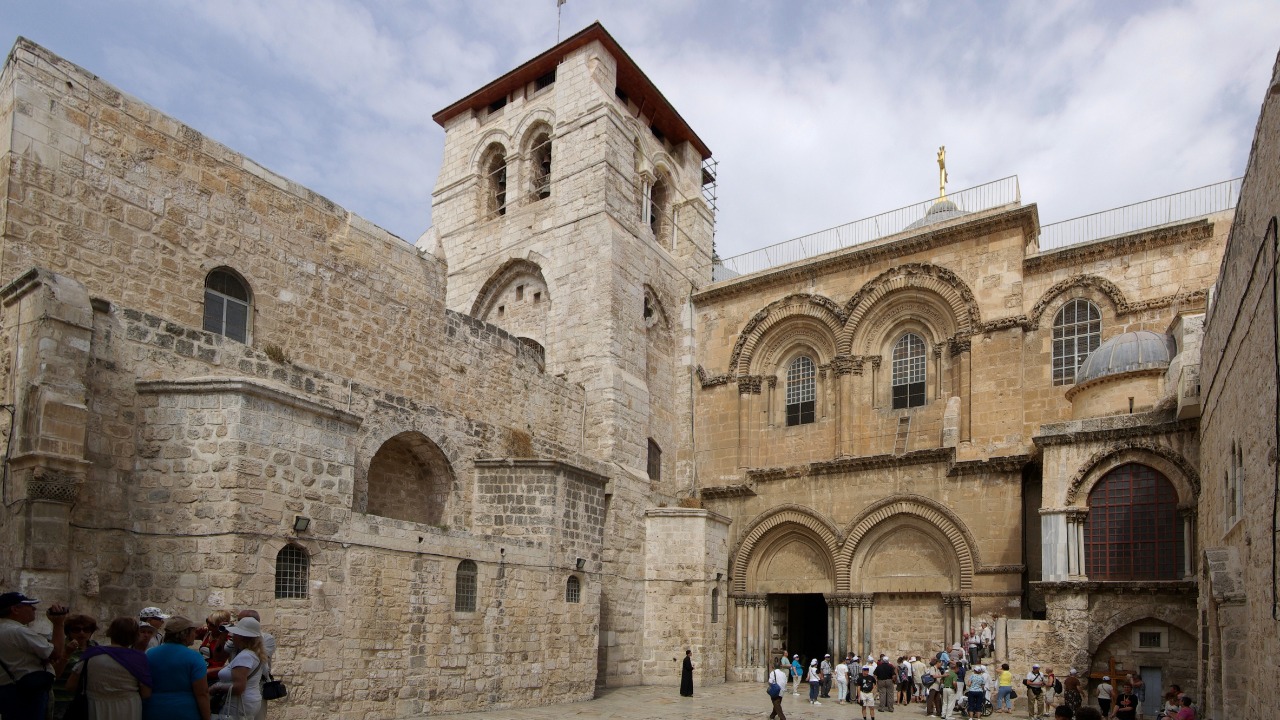
The Church of the Holy Sepulchre is one of the most revered sites in Christianity, thought to encompass both the crucifixion and burial locations of Jesus Christ. Its significance extends beyond religion, as it serves as a major landmark for pilgrims and tourists in Jerusalem. Historically, the site has undergone numerous restorations, each layer revealing elements of its storied past. Scholars and theologians consider it a tangible link to the events described in the New Testament.
Previous archaeological studies at the Church of the Holy Sepulchre have provided intriguing insights. Excavations have uncovered structures dating back to the Roman period, aligning with the timeline of Jesus’ crucifixion and burial. These studies set the stage for understanding current discoveries by providing a baseline for what is historically plausible. The ongoing research at this site continues to peel back layers of history, offering new perspectives on ancient events.
Comparing biblical descriptions with archaeological evidence has always been a focal point of study. Accounts of Jesus’ burial in the Gospels describe a rock-cut tomb, which is consistent with burial practices of that era. Archaeological findings at the site, including rock-cut tombs and ossuaries, have provided some corroboration of these accounts. However, the quest for definitive proof remains elusive, spurring further exploration and debate among scholars.
The Recent Discovery: Unearthing the Ancient Garden
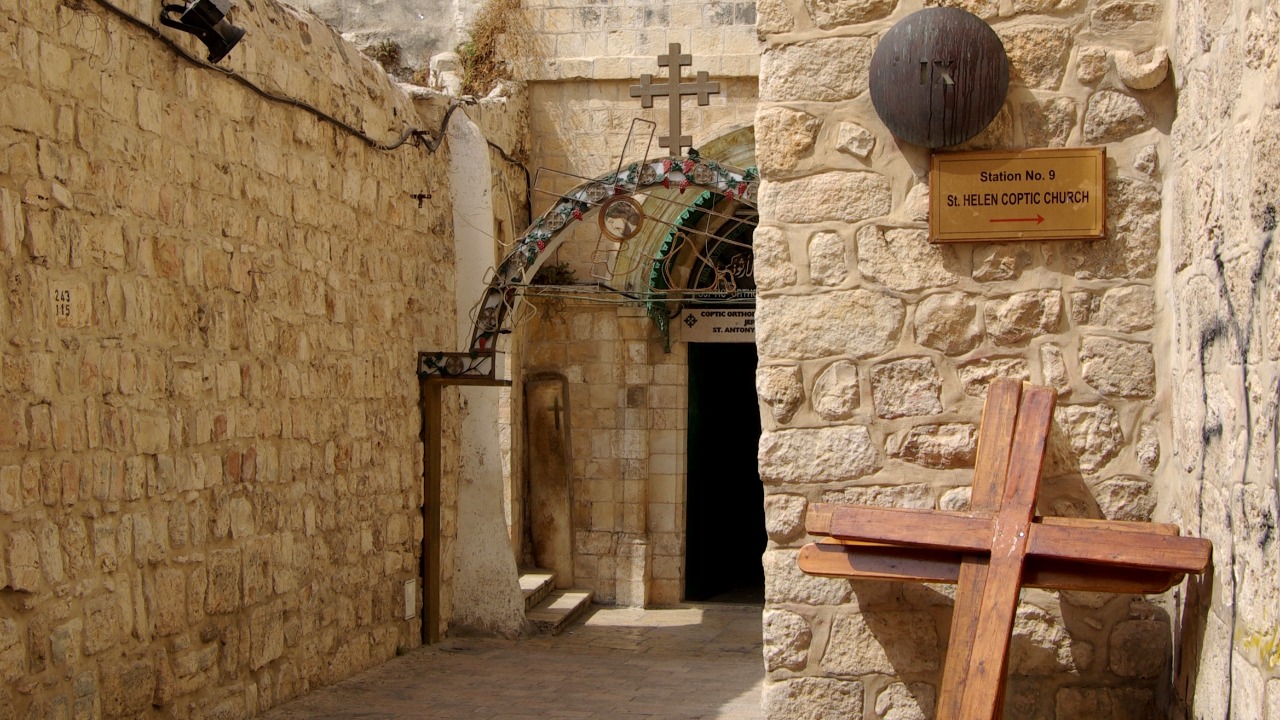
The recent unearthing of an ancient garden beneath the Church of the Holy Sepulchre has captured the attention of both religious and academic communities. This discovery, detailed in Archaeology Magazine, includes remnants of terraces and ancient flora that suggest a cultivated garden existed in the area during the time of Jesus. The presence of such a garden offers new dimensions to the biblical narratives, potentially linking the site to stories like the Garden of Gethsemane.
Scientific techniques such as radiocarbon dating and ground-penetrating radar were crucial in uncovering the ancient garden. Radiocarbon dating helped establish the age of the organic material found, while ground-penetrating radar provided detailed images of the subsurface, guiding archaeologists in their excavation efforts. These technologies enable researchers to explore below the surface without causing extensive damage, preserving the site’s integrity for future studies.
The implications of discovering an ancient garden are profound when considering biblical narratives. The garden’s existence may lend credence to stories of Jesus’ last days, as described in the Gospels. Symbolically, gardens in biblical texts often represent peace, reflection, and divine presence, adding layers of meaning to the historical and spiritual significance of the site.
Reactions from the Scholarly Community

The discovery has sparked diverse reactions within the theological community. Many theologians view the findings as affirming the historical roots of Christian traditions, offering tangible evidence that complements faith-based beliefs. Some argue that this discovery is a testament to the historical accuracy of the Bible, reinforcing its narratives through physical evidence.
Historians see this as an opportunity for further validation of historical accounts of Jesus’ life and death. While some historians remain cautious, preferring to wait for more detailed analysis, others are optimistic about the potential for these findings to bridge gaps between historical records and biblical texts. The garden discovery adds a new layer of context to historical analyses of Jesus’ era.
However, not all scholars are convinced. Critics caution against drawing definitive conclusions from the findings, arguing that archaeological evidence can be interpreted in various ways. Some scholars emphasize the need for continued research and caution against using single discoveries to make broad historical claims. Despite skepticism, the debate spurred by the discovery highlights its importance in scholarly discourse.
Broader Implications for Biblical Archaeology
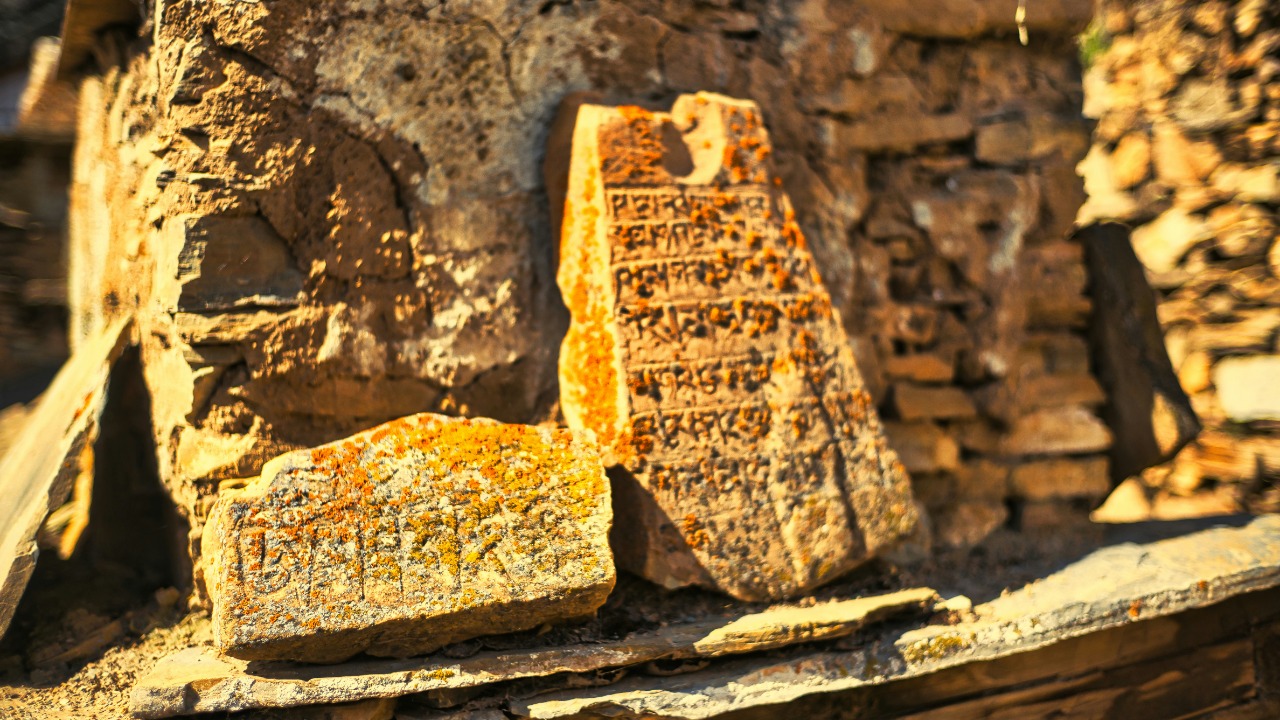
This discovery is poised to have a significant impact on the field of biblical archaeology. It encourages a renewed focus on uncovering ancient truths through scientific methods, potentially transforming how archaeologists approach religious sites. The integration of advanced technologies in excavation processes is likely to become more prevalent, offering new insights into ancient civilizations.
The findings may also spark increased interest in archaeological exploration in the Holy Land. As researchers seek to confirm and expand upon recent discoveries, there could be a surge in expeditions aimed at unearthing further historical evidence. This renewed interest has the potential to attract funding and resources, facilitating more comprehensive studies of biblical sites.
Moreover, these discoveries hold educational and cultural significance. They provide valuable material for educational initiatives, offering a deeper understanding of the biblical era. By bringing ancient history to life, these findings can enhance cultural appreciation and religious understanding among diverse audiences, fostering a greater connection to the past.
Future Prospects and Research Directions
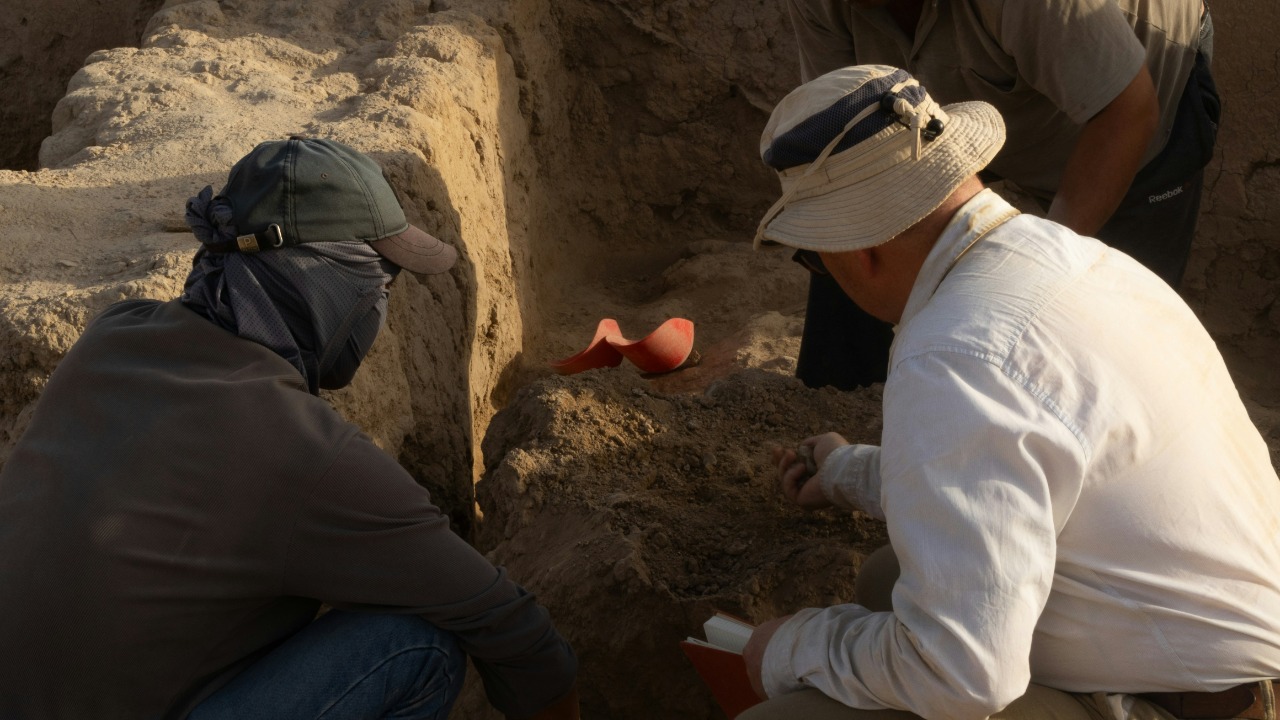
The excitement surrounding the discovery of the ancient garden has set the stage for ongoing and future excavations at the site. Plans are underway for continued exploration, with researchers eager to uncover more of the site’s hidden history. These efforts are expected to be part of a broader initiative to investigate related locations in the Holy Land, potentially revealing further insights into biblical times.
Interdisciplinary collaboration will play a crucial role in future research efforts. By bringing together archaeologists, historians, and theologians, researchers can approach the site’s exploration from multiple perspectives, enriching the understanding of its historical and religious significance. This collaborative approach ensures that discoveries are analyzed thoroughly, with input from various fields of expertise.
Preservation and access are critical considerations moving forward. As researchers continue their work, strategies must be developed to preserve the site’s integrity while allowing educational and religious access. Balancing these needs will be essential to maintaining the site’s historical and cultural value for future generations.
