

NASA’s Perseverance Mars rover has seemingly captured an image of the enigmatic interstellar comet 3I/ATLAS from the Martian surface, igniting discussions about its nature—whether it resembles an alien probe or is simply a cosmic artifact. The images, taken during the comet’s recent flyby, depict it in the Martian night sky, captivating social media users with their peculiar appearance. This event was reported on October 6, 2025, by multiple outlets covering the rover’s unexpected sighting.
The Perseverance Rover’s Role
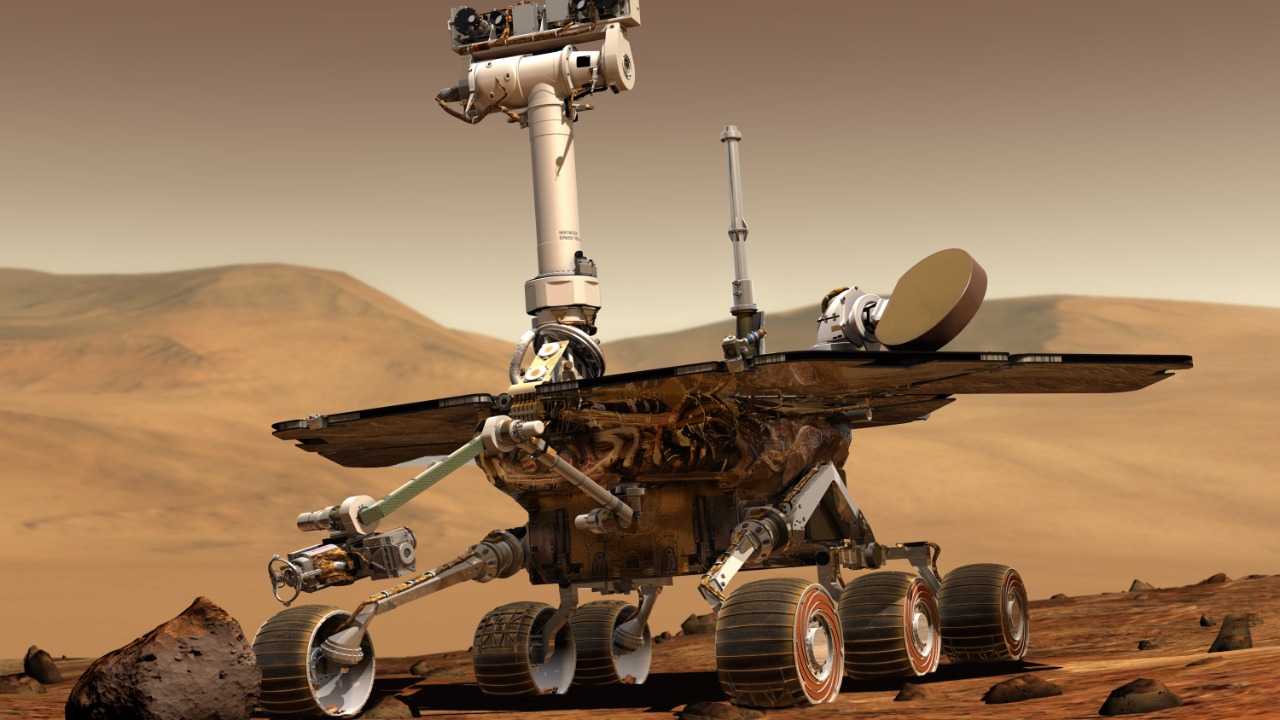
NASA’s Perseverance Mars rover, while conducting routine night sky observations, unexpectedly captured images of the interstellar object 3I/ATLAS. This remarkable achievement highlights the rover’s capabilities in imaging celestial phenomena from the Martian surface. The rover, equipped with advanced imaging technology, managed to photograph the comet during its recent flyby, showcasing its ability to capture such rare cosmic events. The specific photo, which appears to show the comet in the night sky, was taken at 17:37 UTC, aligning perfectly with the comet’s trajectory near Mars (Space.com).
The timing of this capture is particularly significant, as it coincided with the comet’s close approach to Mars. The rover’s imaging capabilities allowed it to document this rare event, providing scientists with valuable data about the comet’s characteristics. The images taken by Perseverance have sparked widespread interest, not only for their scientific value but also for their potential implications regarding the nature of interstellar objects (Yahoo News).
Perseverance’s mission on Mars extends beyond its primary goal of searching for signs of ancient life. The rover is also tasked with studying the planet’s climate and geology, which includes observing celestial events. Its ability to capture images of interstellar objects like 3I/ATLAS underscores the versatility of its scientific instruments. The rover’s Mastcam-Z, a pair of zoomable cameras, plays a crucial role in documenting such phenomena, providing high-resolution images that are invaluable for scientific analysis. This capability not only aids in understanding the immediate environment of Mars but also contributes to broader astronomical research, offering insights into objects that traverse our solar system from distant realms.
Understanding Interstellar Comet 3I/ATLAS

Interstellar comet 3I/ATLAS is a mysterious object originating from outside our solar system. Its recent flyby of Mars provided a unique opportunity for NASA to capture images of its unusual trajectory. The comet’s path and appearance have intrigued scientists and the public alike, leading to speculation about its origins and nature. The images captured by Perseverance reveal the comet’s strange visual characteristics, which have fueled discussions about whether it could be an alien probe or merely a natural cosmic artifact (Times of India).
The comet’s recent flyby was a rare event that allowed for detailed observations of its structure and behavior. The images obtained during this period have provided new insights into the nature of interstellar comets, highlighting their potential to offer clues about the formation and evolution of other solar systems. Reports published on October 6, 2025, have raised questions about the comet’s true nature, with some suggesting it might be more than just a cosmic artifact (The Debrief).
The discovery of 3I/ATLAS has added to the growing list of known interstellar objects, following the earlier detection of ‘Oumuamua and 2I/Borisov. These objects are of particular interest because they originate from beyond our solar system, offering a rare glimpse into the materials and conditions present in other star systems. The comet’s composition, trajectory, and speed provide clues about its origin and the forces that have shaped its journey through space. Scientists are keen to analyze the data collected by Perseverance to compare it with known comets and asteroids, potentially revealing new information about the diversity of celestial bodies that exist in the universe.
The Captured Images and Their Anomalies
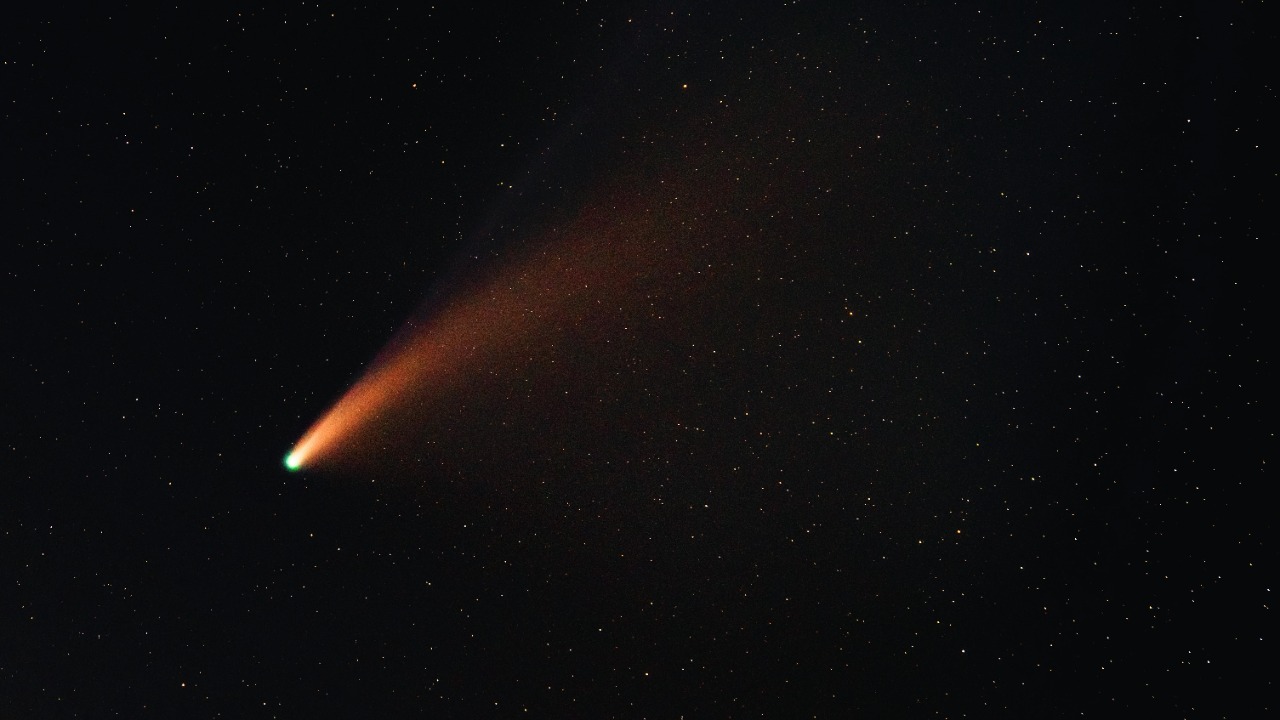
The photo taken by the Perseverance rover depicts the mysterious interstellar object from the surface of Mars, capturing its unique features. The image, taken at 18:30 UTC, shows the comet’s unusual appearance, which has puzzled observers and sparked a flurry of interest online. The latest NASA images from the recent Mars flyby reveal strange visual details that have led to various interpretations about the comet’s nature (Yahoo News).
Observers have noted the comet’s peculiar shape and trajectory, which differ from typical comets observed within our solar system. These anomalies have led to speculation about the comet’s origins and whether it might be an artificial object. The rover’s sighting of the comet in the Martian night sky was first reported at 17:31 UTC, further fueling debates about its interstellar origins and potential implications for our understanding of cosmic phenomena (The Debrief).
In addition to its unusual shape, the comet’s brightness and color have also drawn attention. The images suggest variations in the comet’s surface material, which could indicate a complex history of formation and alteration. Such anomalies challenge existing models of cometary behavior and composition, prompting researchers to consider alternative explanations for its characteristics. The data from Perseverance may help refine these models, improving our understanding of how interstellar objects interact with solar radiation and other cosmic forces as they travel through space. This knowledge is crucial for predicting the behavior of similar objects that might pose a threat to Earth in the future.
Speculations Surrounding the Sighting
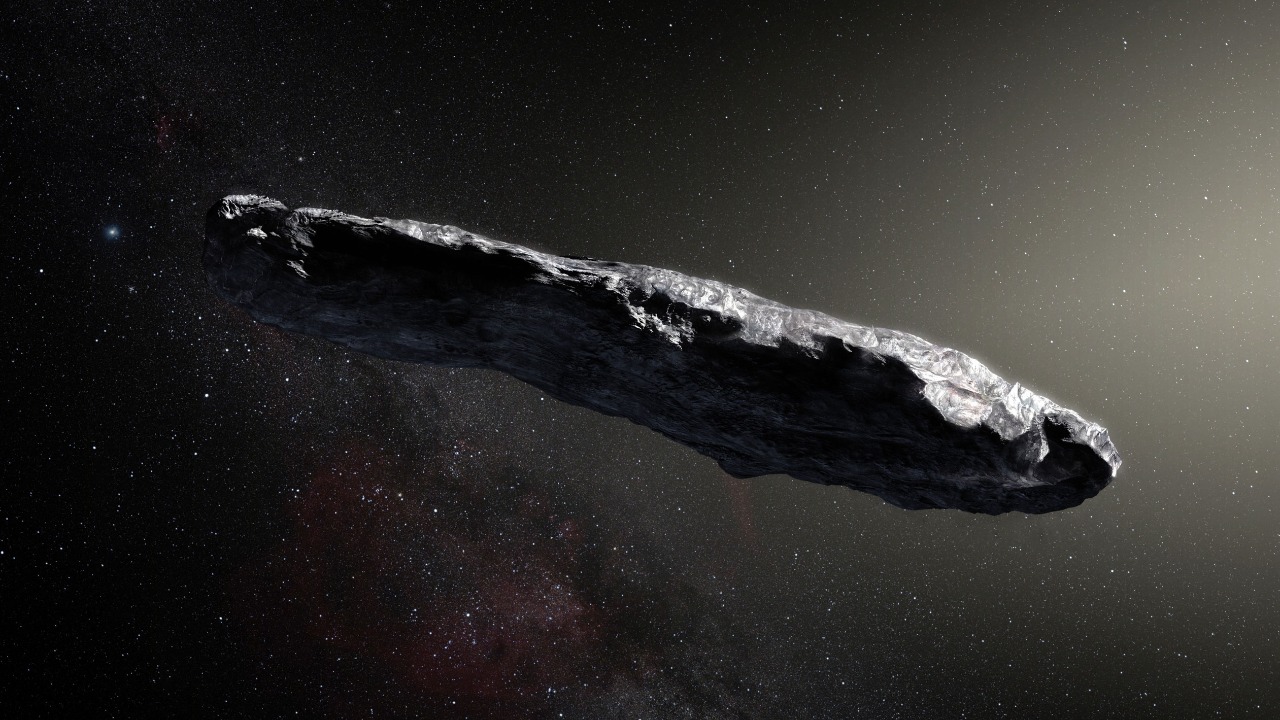
The images captured by Perseverance have led to various theories about the nature of interstellar comet 3I/ATLAS. Some speculate that the comet’s mysterious appearance could indicate it is an alien probe, designed by an advanced civilization. This theory is based on the comet’s unusual trajectory and visual characteristics, which differ from known natural cosmic objects (Times of India).
However, alternative explanations suggest that the object is simply a cosmic artifact, a natural interstellar visitor that happens to exhibit unique features. This perspective emphasizes the need for further study and observation to determine the true nature of 3I/ATLAS. Initial reactions to the rover’s potential sighting have been mixed, with debates over its interstellar origins continuing to unfold among scientists and enthusiasts alike (Space.com).
Social Media and Public Reaction

The latest NASA images of 3I/ATLAS have stunned social media, with users sharing their reactions to the comet’s strange appearance. The images quickly went viral, amplifying speculation about the comet’s nature and potential implications. The sighting by the Perseverance rover has generated significant buzz online, with discussions about alien probes trending across various platforms (The Debrief).
The viral spread of the rover’s photo has sparked widespread interest and debate, with many users captivated by the possibility of an interstellar visitor being captured on Mars. The public’s fascination with the comet highlights the enduring allure of space exploration and the mysteries of the cosmos. As questions about the nature of 3I/ATLAS continue to circulate, the Perseverance rover’s contribution to this discovery remains a testament to the power of modern space technology and exploration (Yahoo News).