
The recent discovery of deadly brine pools beneath the ocean has sparked intense scientific interest and intrigue. These pools, often referred to as “underwater death traps,” possess unique chemical compositions that are lethal to most forms of marine life. Scientists are delving into the nature, discovery, and broader implications of these mysterious underwater phenomena to understand their impact on marine ecosystems and potential applications.
The Nature of Deadly Ocean Pools
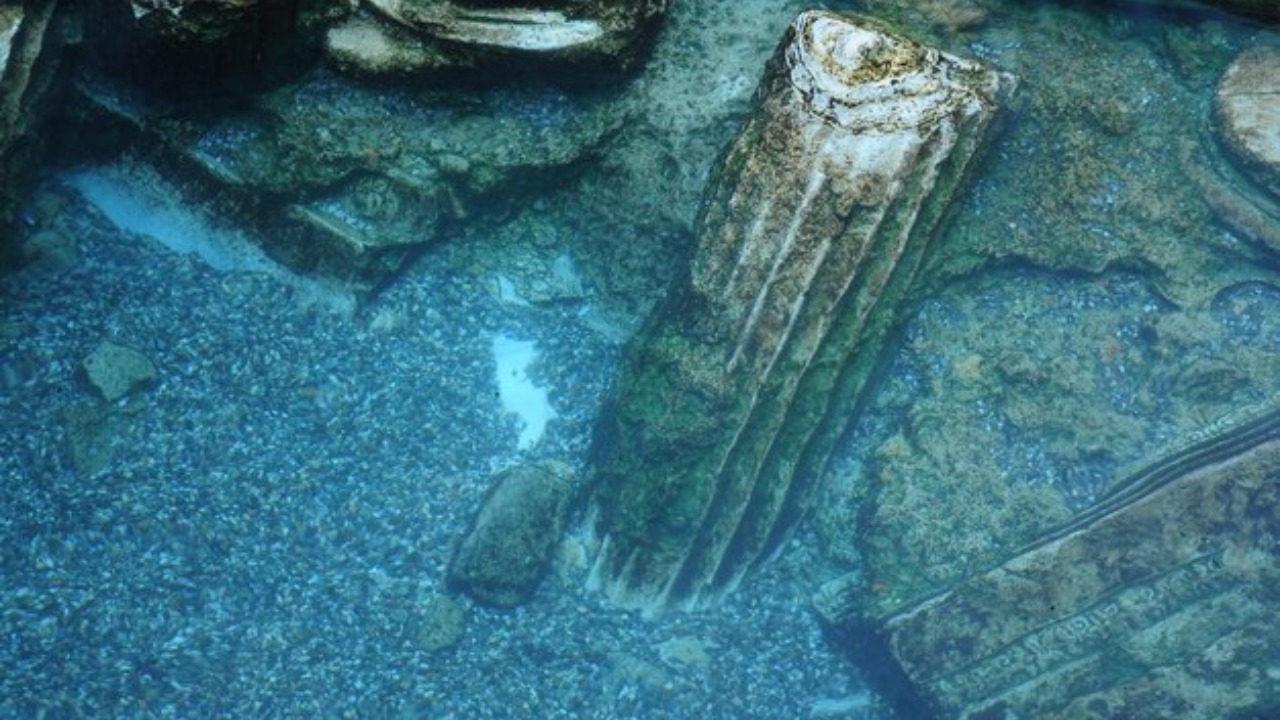
Brine pools are fascinating yet perilous environments characterized by their extreme chemical composition. These underwater lakes, located on the ocean floor, boast salinity levels that far exceed those of the surrounding seawater. This high salinity creates a dense layer of brine, forming a barrier that most marine life cannot penetrate. Additionally, the presence of toxic compounds such as hydrogen sulfide further contributes to the pools’ lethal nature, rendering them inhospitable to most organisms.
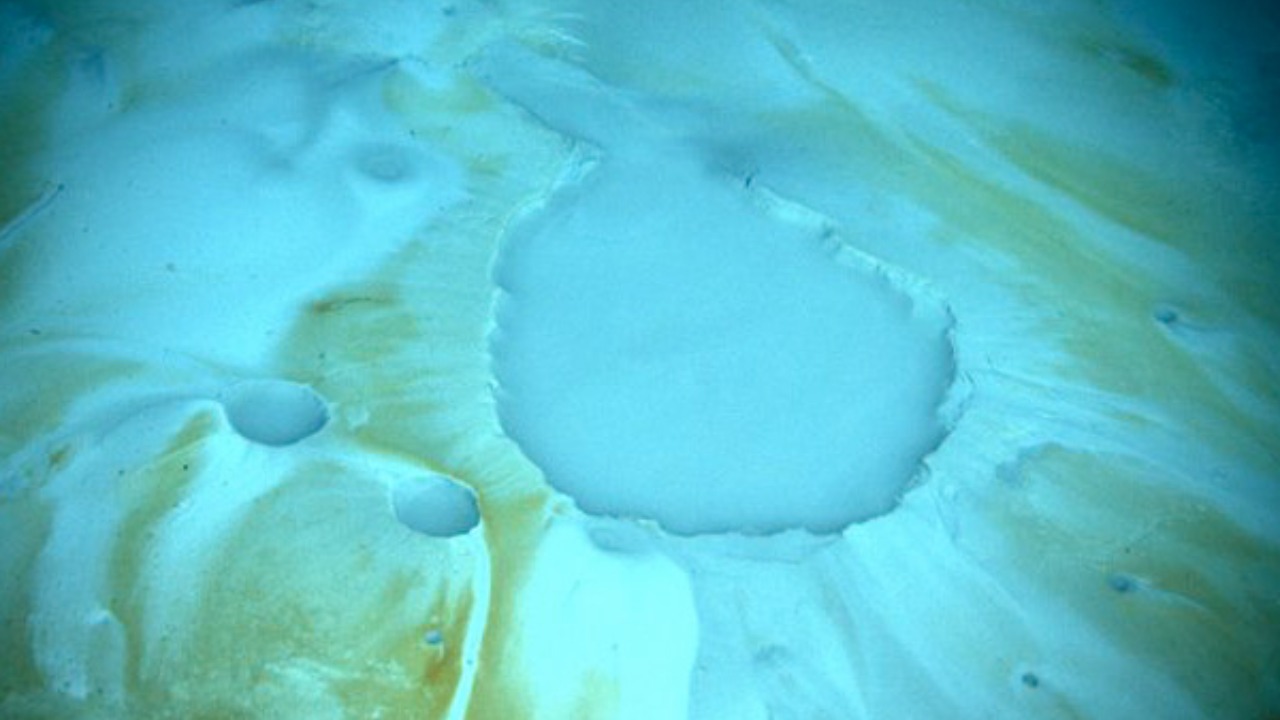
The physical characteristics of these brine pools are equally intriguing. They are often found at significant ocean depths, nestled within deep-sea basins. Their distinctive appearance—akin to a “lake within the sea”—is a result of the stark contrast between the dense brine and the surrounding seawater. This unique visual phenomenon has captured the attention of researchers and sparked curiosity about the hidden wonders of the deep ocean.
The Discovery and Exploration of Brine Pools
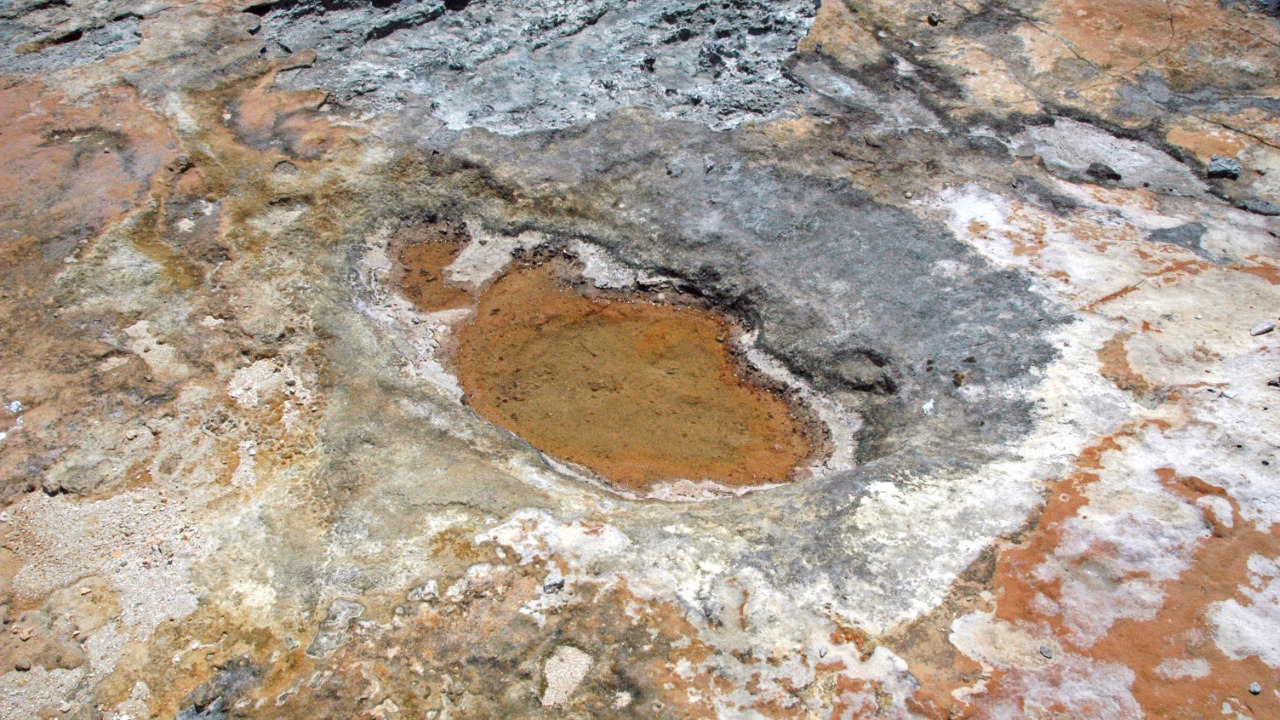
The history of brine pool discovery dates back several decades, but it is the advent of modern technology that has truly revolutionized our understanding of these underwater marvels. Early observations were limited by the technological constraints of the time, but recent advances have changed the landscape of oceanic exploration. The use of remotely operated vehicles (ROVs) and other sophisticated tools has allowed scientists to access these remote environments and conduct detailed investigations.
Recent discoveries of brine pools have captivated the scientific community. These findings have been made possible through cutting-edge technology that enables researchers to explore the depths of the ocean with unprecedented precision. As a result, scientists have gained invaluable insights into the formation, composition, and ecological significance of these deadly pools.
The Impact on Marine Ecosystems
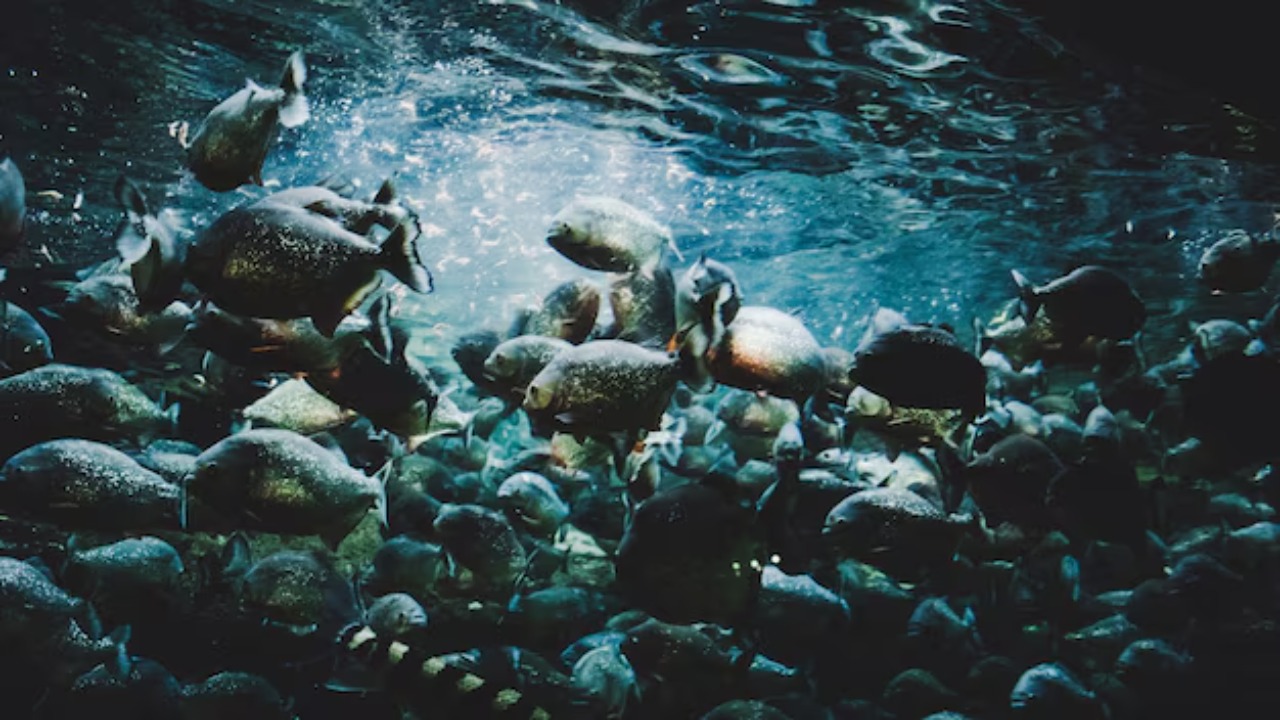
Despite their inhospitable nature, some species have remarkably adapted to survive in the extreme conditions of brine pools. These extremophiles provide valuable insights into the resilience and adaptability of life in harsh environments. However, the presence of brine pools also poses challenges for surrounding marine ecosystems. The pools’ toxic nature can have a profound impact on the biodiversity and delicate balance of oceanic ecosystems, influencing the distribution and behavior of marine life.
The environmental and ecological consequences of brine pools extend beyond their immediate vicinity. These pools can influence broader oceanic processes and food chains, potentially disrupting marine environments on a larger scale. Understanding their role in global ecology is crucial for assessing their impact and implementing effective conservation strategies.
Scientific and Practical Implications
Brine pools present exciting research opportunities and challenges for scientists. The study of these unique environments offers the potential for breakthroughs in understanding extremophiles and the dynamics of isolated ecosystems. However, conducting research in such remote and harsh conditions poses significant logistical and technical challenges. Scientists must navigate these difficulties to unlock the secrets of brine pools and their inhabitants.
Beyond scientific research, there is growing interest in the prospective utilization of brine pools for biotechnology and industry. The unique chemical and biological properties of these pools hold promise for various applications. However, the potential for exploitation also raises environmental risks and ethical concerns that must be carefully considered. Balancing the pursuit of knowledge and innovation with environmental stewardship is essential for responsible exploration.
Future Directions in Oceanic Research
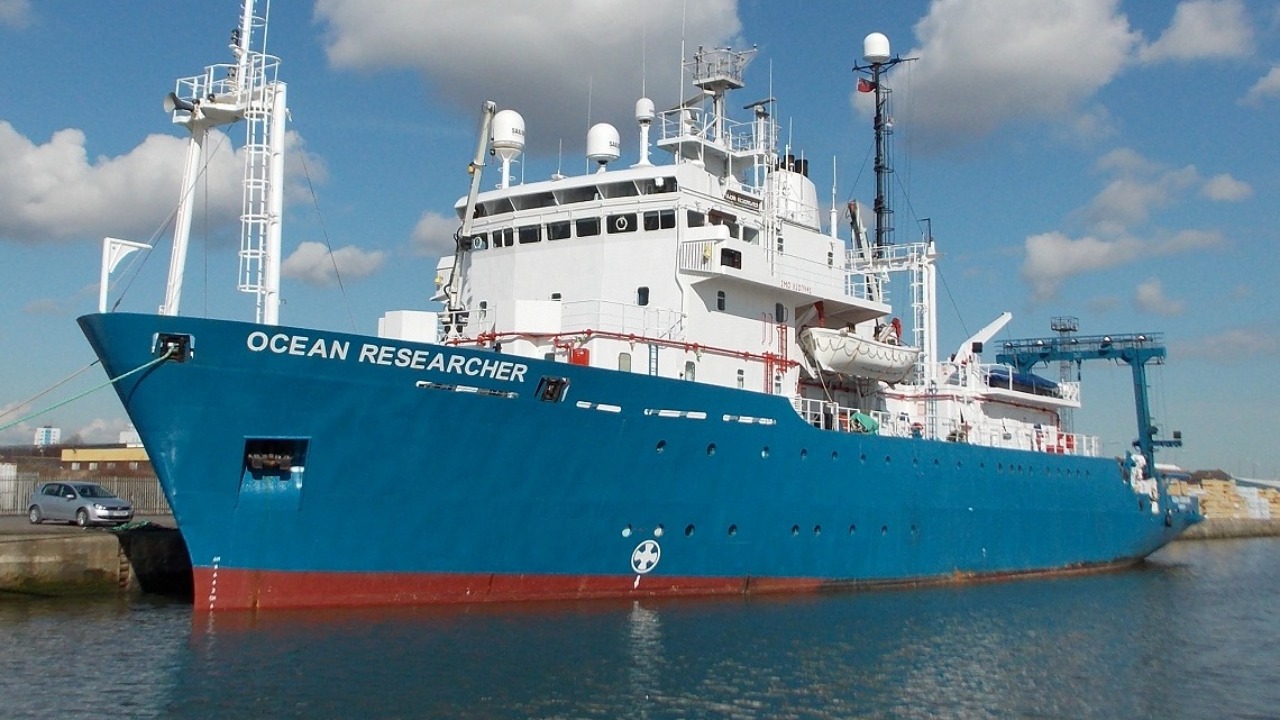
Expanding our knowledge of brine pools and their implications requires interdisciplinary research efforts and collaboration between nations and institutions. By pooling resources and expertise, researchers can unravel the mysteries of these enigmatic environments and enhance our understanding of the ocean’s depths. Such collaboration is vital for advancing oceanic research and addressing the complex challenges posed by brine pools.
Policy and conservation efforts play a crucial role in protecting these unique ecosystems and managing human activity in their vicinity. As new discoveries continue to emerge, it is essential to develop policies that safeguard oceanic health and preserve the delicate balance of marine ecosystems. Conservation initiatives will ensure that the wonders of the deep ocean remain a source of scientific discovery and inspiration for generations to come.
